
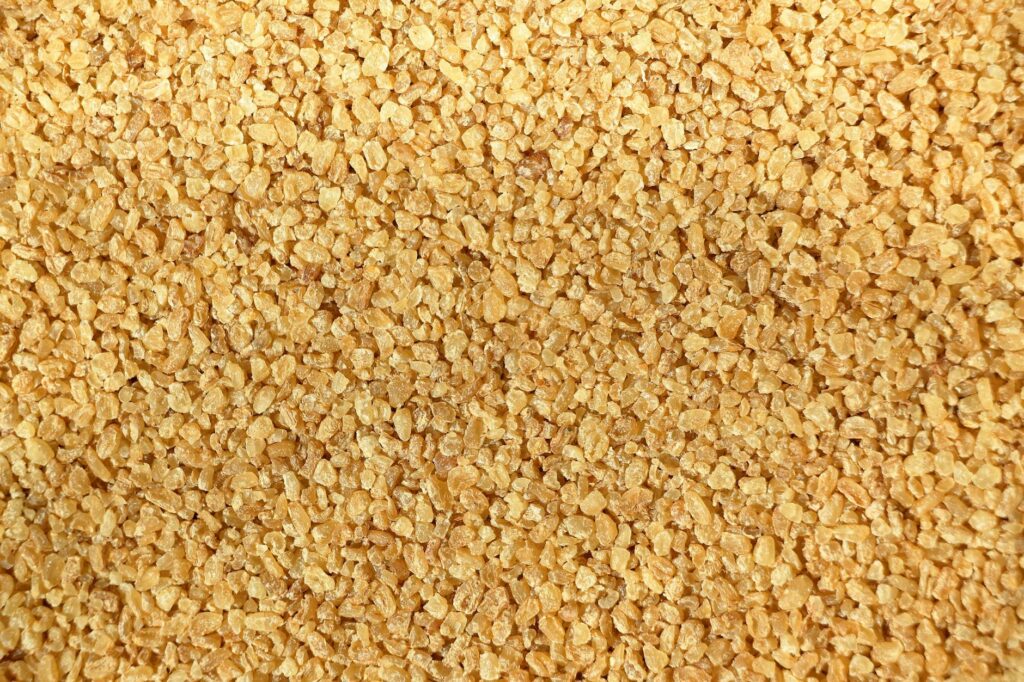
Bulgur Around the World
Introduction
Bulgur, a staple in many Middle Eastern and Mediterranean cuisines, is a versatile grain made from cracked wheat. Its nutty flavor and chewy texture make it a favored ingredient in a myriad of dishes, from salads to pilafs. This article explores the global significance of bulgur, examining its various regions of production and culinary applications, as well as its quality considerations and storage methods.
What Is Regions?
The term “regions” in the context of bulgur refers to the geographical areas where it is produced, consumed, and culturally relevant. Bulgur is integral to the culinary traditions of several countries, particularly in the Middle East, the Mediterranean, and parts of South Asia. Understanding these regions provides insight into the diverse ways bulgur is utilized and appreciated across different cultures.
History and Origins
Bulgur has ancient roots, with its origins tracing back thousands of years. It is believed to have been cultivated in the Fertile Crescent, which includes parts of modern-day Turkey, Syria, and Iraq. Archaeological evidence suggests that bulgur was a food staple among early civilizations, including the Sumerians and the Babylonians. The process of parboiling and drying the wheat before cracking it into bulgur is thought to have been developed as a means of preservation, allowing for longer storage and ease of preparation.
As trade routes expanded, bulgur spread to neighboring regions, adapting to local culinary practices. It became a dietary staple in various cultures, influencing traditional dishes like tabbouleh in Lebanon and kibbeh in Syria. Today, bulgur continues to be an essential ingredient in many cuisines, reflecting its enduring legacy.
Production and Processing
Bulgur is primarily produced from durum wheat, a hard wheat variety known for its high protein content. The production process involves several steps:
1. Harvesting: Once the wheat reaches maturity, it is harvested and cleaned to remove impurities.
2. Parboiling: The cleaned wheat is soaked in water and then boiled. This step is crucial as it gelatinizes the starches, allowing for a quicker cooking time and enhancing the grain’s nutritional value.
3. Drying: After boiling, the wheat is dried to reduce moisture content, preventing spoilage.
4. Cracking: The dried wheat is cracked into varying sizes, producing bulgur of different grades – fine, medium, and coarse.
Different countries may have variations in their production methods, influenced by local agricultural practices and preferences. For instance, Turkish bulgur is often coarser, while Lebanese bulgur tends to be finer.
Quality and Grading
Bulgur is graded based on its size and the processing methods used. The most common grades include:
- Fine Bulgur: Often used for salads and dips, it cooks quickly and absorbs flavors well.
- Medium Bulgur: Suitable for pilafs and stuffing, it has a balanced texture that holds up well in dishes.
- Coarse Bulgur: Ideal for hearty dishes or as a base for stews, it provides a robust texture.
- Origin: Regions known for high-quality bulgur, such as Turkey and Lebanon, are often preferred by culinary enthusiasts.
- Grain Size: Depending on the intended use, choose the appropriate grain size for your dish.
- Packaging: Look for airtight packaging to ensure freshness, especially if buying pre-packaged bulgur.
- Organic Options: For those seeking organic grains, many health food stores offer certified organic bulgur.
- Salads: Tabbouleh, a traditional Levantine salad, is perhaps the most famous bulgur dish, combining the grain with parsley, tomatoes, and lemon juice.
- Pilafs: Bulgur can be cooked as a side dish or incorporated into pilafs, often seasoned with spices and vegetables.
- Stuffed Vegetables: In various cuisines, bulgur is used as a stuffing for peppers, zucchini, and grape leaves, mixed with herbs and spices.
- Soups and Stews: Coarse bulgur can be added to soups and stews, providing a hearty texture and absorbing flavors.
- Baked Goods: In some cultures, bulgur is ground into flour for baking bread and pastries.
- Dry Storage: Keep bulgur in an airtight container in a cool, dry place, away from direct sunlight.
- Refrigeration: For extended storage, particularly in humid climates, refrigerating or freezing bulgur can be beneficial.
- Shelf Life: When stored correctly, bulgur can last for years. However, for the best flavor and nutritional value, it is advisable to consume it within 1-2 years of purchase.
When selecting bulgur, consumers should look for grains that are uniform in color, free from debris, and have a pleasant, nutty aroma. Freshness is also a key quality indicator; bulgur should be stored in a cool, dry place to maintain its flavor and nutritional value.
Buying Considerations
When purchasing bulgur, consumers can find it in various forms – from bulk bins in health food stores to packaged varieties in supermarkets. Here are some considerations to keep in mind:
Uses and Applications
Bulgur’s versatility lends itself to an array of culinary applications. Here are some of the most common uses:
The adaptability of bulgur makes it an excellent choice for both traditional dishes and modern culinary innovations, appealing to a wide range of dietary preferences.
Storage and Shelf Life
Bulgur has a relatively long shelf life due to its low moisture content. Proper storage is essential to maintain its quality:
Regularly check for signs of spoilage, such as an off smell or discoloration. If any unusual characteristics are noted, it is best to discard the grain.
Common Misconceptions
Several misconceptions about bulgur persist,