
Bulgur FAQs Answered
Introduction
Bulgur is a versatile grain that has gained popularity in various culinary traditions around the world. Often associated with Middle Eastern cuisine, this ancient ingredient is celebrated for its nutty flavor, chewy texture, and nutritional benefits. In this article, we will explore bulgur in depth, answering common questions and providing a comprehensive guide that encompasses its history, production, quality, and much more.
What Is Bulgur?
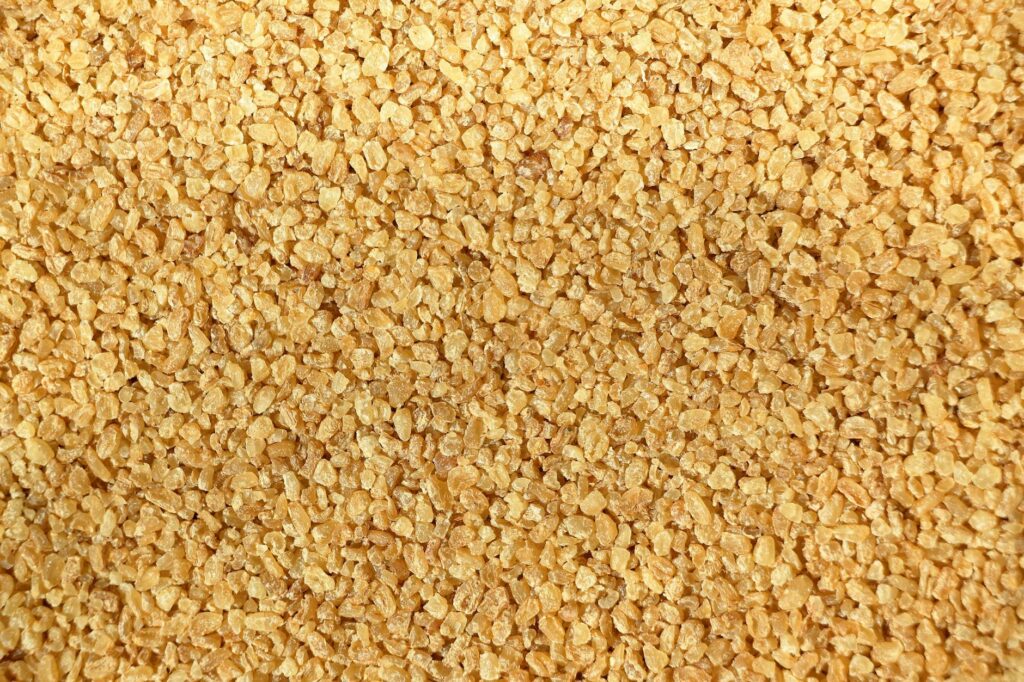
Bulgur is a whole grain made from cracked wheat, specifically durum wheat. It is parboiled, dried, and then cracked into various sizes, making it a quick-cooking and nutritious option for a variety of dishes. Its mild flavor and firm texture make it an excellent base for salads, pilafs, and side dishes, and it can also be used as a meat substitute in vegetarian recipes.
History and Origins
The origins of bulgur date back thousands of years, with evidence of its use in ancient Mesopotamia. It was a staple food among early civilizations, particularly the Sumerians and Babylonians, who recognized its nutritional value and ease of preparation. As trade routes expanded, bulgur spread to different regions, particularly the Mediterranean and Middle East, where it became integral to the local cuisine. Today, bulgur is recognized not only for its historical significance but also for its culinary versatility across various cultures.
Production and Processing
The production of bulgur involves several steps:
1. Harvesting: Durum wheat is harvested when fully mature, ensuring maximum grain quality.
2. Cleaning: The harvested wheat is cleaned to remove impurities such as stones, dust, and other foreign materials.
3. Parboiling: The cleaned grains are then soaked and partially cooked in boiling water. This process helps to gelatinize the starches, making the bulgur easier to digest and enhancing its nutritional profile.
4. Drying: After parboiling, the grains are dried to reduce moisture content. This step is crucial for prolonging the shelf life of bulgur.
5. Cracking: Finally, the dried wheat is cracked into various sizes, ranging from fine to coarse, depending on the intended use.
The result is a nutritious and versatile grain that can be prepared quickly, making it a convenient option for modern cooking.
Quality and Grading
Bulgur is typically graded based on its size and quality. The most common grades include:
- Fine Bulgur: This is the smallest size and is often used in salads like tabbouleh or as a filler in dishes like kibbeh.
- Medium Bulgur: This variety is slightly coarser and works well in pilafs and stuffed vegetables.
- Coarse Bulgur: The largest grade, coarse bulgur is suitable for hearty dishes such as stews or as a side grain.
- Salads: Bulgur is commonly used in salads, particularly tabbouleh, where its texture and flavor complement fresh vegetables and herbs.
- Pilafs and Side Dishes: It can be prepared as a pilaf, often sautéed with onions and spices before adding liquid for cooking.
- Stuffed Vegetables: Bulgur serves as an excellent filling for stuffed peppers or zucchini, providing a nutritious base.
- Soups and Stews: Its hearty texture allows bulgur to be incorporated into soups and stews, enhancing both flavor and nutrition.
- Baking: Some bakers experiment with bulgur in bread recipes, adding a unique texture and flavor profile.
When purchasing bulgur, look for products that are uniform in color and free from any off odors or contaminants. Freshness is key, so check the packaging date and choose products that have been stored properly.
Buying Considerations
When buying bulgur, consider the following factors:
1. Type: Determine which grade of bulgur is best suited for your culinary needs. Fine bulgur is ideal for salads, while coarse bulgur works well in heartier dishes.
2. Packaging: Opt for bulgur that is packaged in airtight containers to ensure freshness. Look for products that are sealed and free from any signs of damage.
3. Origin: Some consumers prefer organically grown bulgur or products sourced from specific regions known for quality wheat.
4. Shelf Life: Check the expiration date to ensure you are purchasing fresh bulgur. While it has a long shelf life, quality can diminish over time.
5. Allergies: Be mindful of gluten, as bulgur is made from wheat. Those with gluten sensitivities should avoid bulgur and seek alternatives.
Uses and Applications
Bulgur’s versatility makes it suitable for a variety of culinary applications:
Storage and Shelf Life
Proper storage is essential to maintain the quality of bulgur. When stored in a cool, dry place in an airtight container, bulgur can last for several months to a year. If you purchase bulk quantities, consider refrigerating or freezing it to extend its shelf life further. Always check for any signs of spoilage, such as an off smell or mold, before use.
Common Misconceptions
1. Bulgur Is the Same as Cracked Wheat: While bulgur is made from cracked wheat, not all cracked wheat is bulgur. The key difference lies in the parboiling process that bulgur undergoes, which enhances its digestibility and cooking time.
2. Bulgur Is Gluten-Free: Bulgur is made from wheat and contains gluten. Those with gluten sensitivity or celiac disease should avoid bulgur.
3. Bulgur Requires Long Cooking Times: Due to its parboiling, bulgur cooks much faster than many other whole grains. Most varieties can be prepared in about 10-15 minutes, making it a convenient ingredient.
Frequently Asked Questions
1. Is bulgur the same as quinoa?
No, bulgur and quinoa are different. Bulgur is made from cracked wheat and contains gluten, while quinoa is a seed and is naturally gluten-free. They differ in texture, flavor, and nutritional profiles.
2. Can I use bulgur in place of rice?
Yes, bulgur can be used as a substitute for rice in many dishes. It offers a nuttier flavor and a different texture, which can enhance the overall dish.
3. How do I prepare bulgur?
Preparation is straightforward. Rinse the bulgur, combine it with water or broth in a pot, bring to a boil, then reduce heat and simmer until the liquid is absorbed. The cooking time varies depending on the bulgur grade.
4. Is bulgur a healthy choice?
Bulgur is a healthy grain option, being high in fiber, protein, and essential nutrients. It is low in fat and provides a good source of vitamins and minerals, making it a nutritious addition to meals.
5. Can I eat bulgur raw?
While bulgur can be consumed raw after soaking, it is often cooked to enhance digestibility and flavor. Cooking bulgur also helps to soften its texture.
6. What is the best way to store bulgur?
Store bulgur in an airtight container in a cool, dry place. For longer shelf life, refrigeration or freezing is recommended. Always check for freshness before use.
Conclusion
Bulgur is more than just a grain; it is a historical and cultural staple that continues to thrive in modern kitchens. With its ease of preparation, nutritional benefits, and versatility across various dishes, bulgur earns its place as a beloved ingredient worldwide. By understanding its origins, production methods, and uses, you can appreciate this ancient grain and incorporate it into your culinary repertoire. Whether you are preparing traditional dishes or experimenting with new flavors, bulgur offers a world of possibilities.