
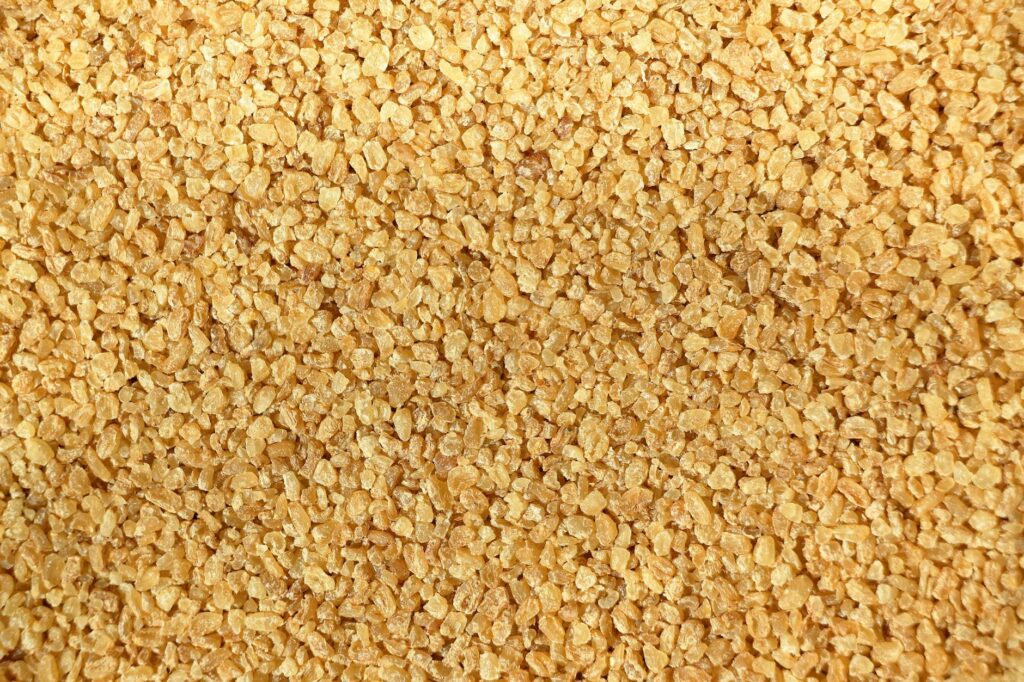
Bulgur Grading Explained
Introduction
Bulgur, a whole grain made from cracked wheat, has gained immense popularity in various culinary traditions due to its nutty flavor, versatility, and nutritional benefits. As consumers become increasingly health-conscious and interested in whole foods, understanding the grading of bulgur is essential for making informed purchasing decisions. This article delves into the various aspects of bulgur, including its history, production methods, quality grading, buying considerations, and more.
What Is Buying?
In the context of food ingredients, “buying” refers to the process of selecting, purchasing, and evaluating food products based on several criteria, including quality, price, and suitability for specific applications. When it comes to bulgur, understanding its grading system is crucial for both individual consumers and culinary professionals. Grading not only reflects the quality of the bulgur but also its intended use, which can vary from salads and sides to more complex dishes.
History and Origins
Bulgur has a rich history that dates back thousands of years, primarily within the Middle Eastern and Mediterranean regions. It is believed to have originated in ancient Mesopotamia, where it was a staple food for various civilizations. The process of cooking and cracking wheat into bulgur is thought to have been developed around 4,000 years ago, making it one of the earliest processed grains.
Traditionally, bulgur was favored for its long shelf life and ease of preparation. It was often used in dishes such as tabbouleh and kibbeh, and it remains a key ingredient in many Middle Eastern cuisines. Over the years, bulgur has transcended cultural boundaries, gaining popularity in Western culinary practices as a healthy, fiber-rich alternative to rice and pasta.
Production and Processing
The production of bulgur involves several steps to ensure quality and safety. The process begins with selecting high-quality durum wheat, which is known for its robust protein content and structure. The wheat kernels are then cleaned to remove impurities, followed by cooking them in water or steam. This cooking process partially hydrates the wheat, which is then dried.
Once dried, the wheat is cracked into various sizes, resulting in bulgur of different grades. Commonly, bulgur is classified into coarse, medium, and fine grades based on the size of the cracks. Coarse bulgur is typically used for dishes requiring longer cooking times, while fine bulgur cooks quickly and is often used in salads or as a thickener in recipes.
Quality and Grading
Bulgur grading is based on several factors, including grain size, color, texture, and moisture content. The following categories provide a comprehensive overview of the common grades of bulgur:
Coarse Bulgur
Coarse bulgur consists of larger cracked wheat pieces and is best suited for dishes that require longer cooking times, such as pilafs or stews. Its robust texture holds up well in hearty recipes.
Medium Bulgur
Medium bulgur strikes a balance between coarse and fine. It is versatile enough for a variety of dishes, including tabbouleh and stuffed vegetables. Its cooking time is shorter than that of coarse bulgur, making it a convenient option for everyday meals.
Fine Bulgur
Fine bulgur is characterized by its small grain size and quick cooking properties. It is often used in dishes that require minimal cooking, such as salads, or as a binding agent in recipes like kibbeh and meatballs.
Color and Texture
Quality bulgur should have a consistent color, typically ranging from pale tan to light brown, indicating that it is made from high-quality wheat. The texture should be firm yet tender, without any mushiness.
Moisture Content
Moisture content is a critical factor in bulgur quality. Ideally, bulgur should have a moisture level of around 10-12%. Higher moisture levels can lead to spoilage and mold growth, so it is essential to check packaging for this information.
Buying Considerations
When purchasing bulgur, several factors should be taken into account to ensure you are selecting the best quality product. Here are the key considerations:
Packaging
Always opt for bulgur that is packaged in a sturdy container to protect it from moisture and contaminants. Look for vacuum-sealed or airtight packaging, which can help extend the shelf life of the product.
Organic Certification
If you are concerned about pesticides and additives, consider purchasing organic bulgur. Organic certification ensures that the wheat has been grown without synthetic fertilizers or pesticides, often leading to a more environmentally friendly product.
Source and Brand
Researching the source and brand of bulgur can also influence your buying decision. Established brands with a reputation for quality are more likely to provide consistent and high-grade products. Local suppliers may also offer fresher options.
Price
While price is often an indicator of quality, it is not the only factor to consider. Compare prices among various brands and sources, but prioritize quality over cost. Cheaper products may compromise on grading and freshness.
Uses and Applications
Bulgur is a versatile ingredient that can be used in a variety of culinary applications. Here are some common uses:
Salads
Fine bulgur is a popular choice for salads, particularly tabbouleh, where it serves as a base for fresh herbs, tomatoes, and lemon juice.
Side Dishes
Coarse and medium bulgur can be used as a side dish, often prepared similarly to rice or quinoa. It can be flavored with spices, broth, or vegetables.
Main Dishes
Bulgur can serve as a nutritious base for main dishes, such as stuffed peppers or casseroles, where its hearty texture complements various ingredients.
Baked Goods
In some culinary traditions, bulgur is incorporated into baked goods, enhancing the nutritional profile while adding a unique flavor.
Storage and Shelf Life
Bulgur has a relatively long shelf life when stored correctly. To maximize freshness, it should be