
Bulgur Guides Guide Part 6
Introduction
Bulgur has been a staple in various cuisines for centuries, prized for its versatility, nutritional value, and ease of preparation. As a whole grain derived from cracked wheat, bulgur serves as a foundation for numerous dishes, ranging from salads to pilafs. This guide aims to provide a comprehensive understanding of bulgur, its history, production methods, quality grading, and practical uses, ensuring that both culinary enthusiasts and professionals alike can appreciate this ancient ingredient.
What Is Bulgur?
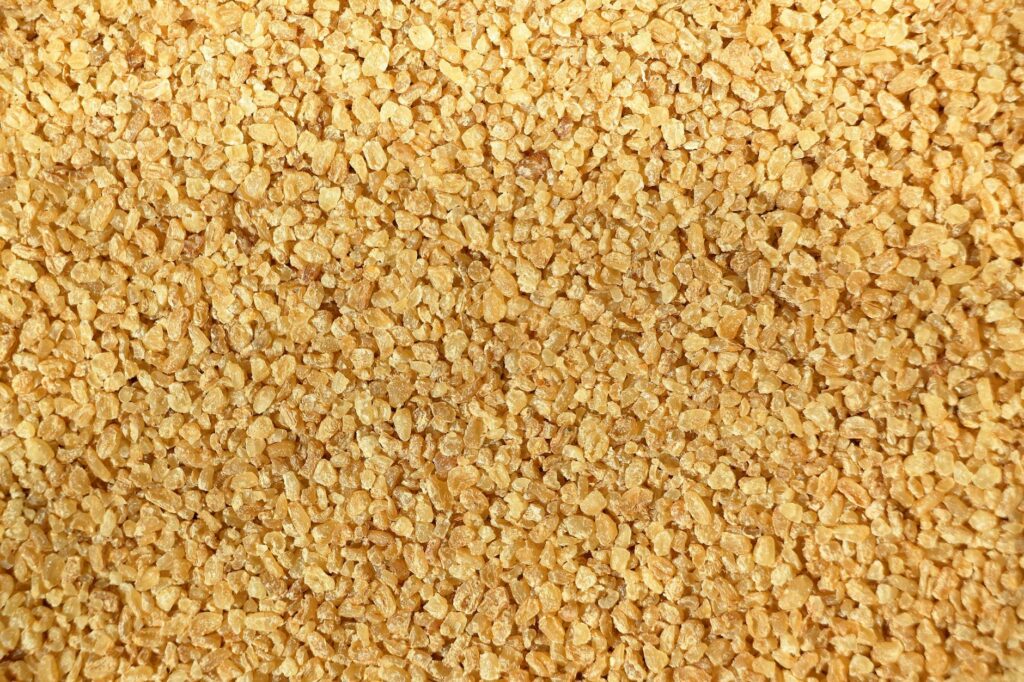
Bulgur is a whole grain product made from cracked durum wheat (Triticum durum). It is often precooked and then dried, which expedites its preparation time. Depending on the coarseness of the grain, bulgur can be categorized into fine, medium, and coarse varieties, each suitable for different culinary applications. Importantly, bulgur retains much of the wheat’s bran and germ, making it a nutritious choice rich in fiber, vitamins, and minerals.
History and Origins
Bulgur has a rich history that dates back to ancient civilizations in the Middle East, particularly in regions that are now part of Turkey, Syria, and Lebanon. Archaeological findings suggest that bulgur was consumed as far back as 4,000 years ago, often considered a food of the working class yet also enjoyed by the elite. Its enduring popularity can be attributed to its long shelf life and nutritional benefits.
Historically, bulgur was made by parboiling whole wheat grains, drying them, and then grinding them into various textures. This traditional method allowed for a quicker cooking time, making it a practical choice for both nomadic tribes and settled agricultural societies.
Production and Processing
The production of bulgur involves several key steps:
1. Harvesting: Durum wheat is harvested when fully mature, ensuring optimal grain quality.
2. Parboiling: The harvested grains are soaked in water and then boiled. This process gelatinizes the starches, enhancing the grain’s flavor and nutritional profile.
3. Drying: Once boiled, the grains are spread out to dry, often in the sun, to reduce moisture content and prevent spoilage.
4. Cracking: The dried grains are cracked into various sizes, resulting in fine, medium, and coarse bulgur.
5. Packaging: Finally, the bulgur is packaged for distribution, often in airtight containers to maintain freshness.
This meticulous process helps preserve the grain’s nutrients while enhancing its culinary properties, making bulgur a convenient ingredient for home cooks and chefs alike.
Quality and Grading
The quality of bulgur is assessed based on several factors, including color, grain size, and aroma. Generally, high-quality bulgur should be:
- Color: Light brown to tan, indicating minimal processing and retention of nutrients.
- Grain Size: Available in fine, medium, and coarse textures, with finer grains often used for tabbouleh and coarser grains for pilafs and side dishes.
- Aroma: Fresh and nutty, free from any rancid or off-putting smells.
- Grade A: Premium quality, often used in gourmet dishes.
- Grade B: Good quality, suitable for everyday use.
- Grade C: Lower quality, often used in bulk or for processed foods.
- Type: Identify whether you need fine, medium, or coarse bulgur based on your intended dish.
- Packaging: Opt for brands that use airtight packaging to ensure freshness. Bulk bins can also be a good choice, but check for proper storage conditions.
- Origin: Look for bulgur sourced from reputable regions known for high-quality durum wheat, such as Turkey or the Levant.
- Organic Certification: If you prefer organic products, seek out bulgur that is certified organic, ensuring it was produced without synthetic pesticides or fertilizers.
- Salads: Fine bulgur is often used in salads like tabbouleh, where it serves as a base for fresh vegetables and herbs.
- Side Dishes: Coarse bulgur can be prepared as a side dish, similar to rice or couscous, and pairs well with stews and grilled meats.
- Stuffed Vegetables: Bulgur can be mixed with spices and vegetables to fill peppers, tomatoes, or zucchini.
- Baking: Incorporating bulgur into bread or baked goods adds texture and nutrition.
- Soups and Stews: Its ability to absorb flavors makes bulgur a great addition to soups and stews, enhancing both taste and heartiness.
- Cool, Dry Place: Store bulgur in a cool, dry environment, away from direct sunlight and humidity. A pantry or cupboard is ideal.
- Airtight Container: For longer shelf life, transfer bulgur from its original packaging to an airtight container. This will protect it from moisture and pests.
- Refrigeration: If
Grading systems for bulgur can vary by region, but a common classification includes:
When selecting bulgur, it is advisable to choose products that have been minimally processed and are free from additives or preservatives.
Buying Considerations
When purchasing bulgur, consider the following factors to ensure you select the best option for your needs:
Additionally, pay attention to expiration dates to guarantee the best flavor and nutritional quality.
Uses and Applications
Bulgur is an incredibly versatile ingredient, finding its way into a myriad of dishes across various cuisines. Here are some common uses:
Bulgur is also gluten-free, making it an excellent alternative for those with gluten sensitivities, although ensure that it is processed in a gluten-free facility to avoid cross-contamination.
Storage and Shelf Life
When stored properly, bulgur can have an impressive shelf life. Here are some guidelines for optimal storage: