
Bulgur in Traditional Cuisine
Introduction
Bulgur, a nutritious and versatile whole grain, has been a staple in various culinary traditions for centuries. Its nutty flavor, chewy texture, and impressive nutritional profile make it a favorable ingredient in numerous dishes, particularly in the Middle East and Mediterranean regions. In this article, we will explore the diverse uses of bulgur in traditional cuisine, tracing its history, production processes, and applications in contemporary gastronomy.
What Is Bulgur?
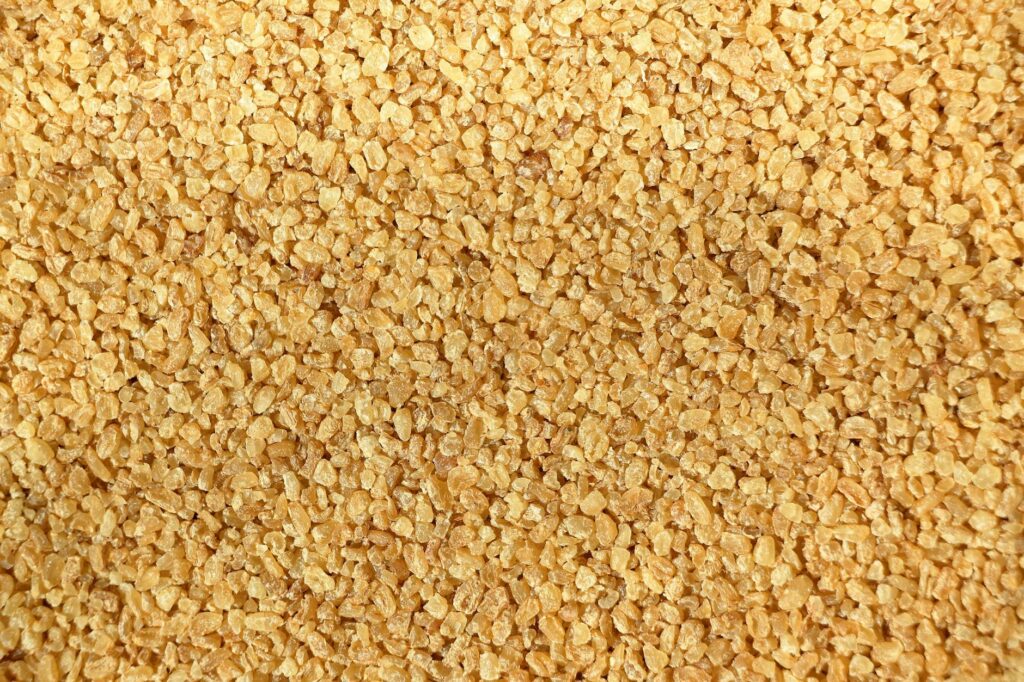
Bulgur is a whole grain made from cracked wheat, specifically durum wheat, which is parboiled, dried, and then crushed into different sizes. This processing method not only enhances its flavor but also significantly reduces cooking time, making it a convenient option for meal preparation. Bulgur is rich in dietary fiber, vitamins, and minerals, positioning it as a wholesome addition to a balanced diet.
History and Origins
The origins of bulgur can be traced back over 4,000 years to the Middle East, where it has been a dietary staple for ancient civilizations such as the Sumerians and Babylonians. Archaeological findings suggest that bulgur was consumed in the region long before the advent of modern agriculture. It played a crucial role in the diets of nomadic tribes, providing them with a portable, long-lasting food source.
Bulgur is especially prominent in the cuisines of Turkey, Lebanon, and Syria, where it is often used in traditional dishes like tabbouleh and kibbeh. Its historical significance is underscored by its inclusion in the culinary practices of many cultures, illustrating its adaptability and enduring popularity.
Production and Processing
The production of bulgur involves several meticulous steps to ensure quality and preservation. Initially, durum wheat grains are harvested and cleaned to remove impurities. Next, the grains undergo a parboiling process, which involves soaking them in hot water and then steaming them. This step gelatinizes the starches, enhancing the grain’s nutritional value and flavor.
After parboiling, the wheat is dried, and then it is cracked into various sizes, ranging from fine to coarse granules. The size determines its intended culinary use. Fine bulgur is typically used in salads and dips, while coarser varieties are ideal for pilafs and stuffed dishes. The final product is then packaged and distributed for culinary use.
Quality and Grading
The quality of bulgur is determined by several factors, including the source of the wheat, the processing methods, and the final grain size. Higher-quality bulgur is often made from durum wheat and has a rich, nutty flavor. When purchasing bulgur, consumers should look for whole grain options that are free from additives and preservatives.
Grading is typically based on the granule size, with fine, medium, and coarse bulgur available on the market. Additionally, the color of the bulgur can indicate its freshness; a vibrant, light brown color is often associated with high-quality bulgur.
Buying Considerations
When buying bulgur, it is essential to consider several factors to ensure you are selecting a high-quality product. First, check the packaging for a clear indication of the bulgur’s granule size, as this will inform you of its best culinary applications. Fine bulgur is suitable for salads and dips, while coarser varieties work well in pilafs and stuffed dishes.
Additionally, consider the source of the bulgur. Authentic Middle Eastern bulgur is often preferred for traditional recipes, as it tends to have a richer flavor profile. Look for brands that emphasize their sourcing and processing methods to ensure you are purchasing a product that meets your culinary needs.
Finally, always check the expiration date on the packaging. While bulgur has a relatively long shelf life, fresher products will generally yield better flavor and texture.
Uses and Applications
Bulgur’s versatility allows it to be used in a myriad of dishes across different cuisines. One of its most famous applications is in tabbouleh, a refreshing salad made with parsley, tomatoes, mint, and a dressing of olive oil and lemon juice. The fine bulgur absorbs the flavors and moisture, creating a harmonious dish that is both nutritious and satisfying.
In the Middle Eastern kitchen, bulgur is also integral in making kibbeh, a dish consisting of bulgur mixed with ground meat, spices, and onions. This mixture can be formed into balls or patties and is often served raw, baked, or fried.
Bulgur is also an excellent base for pilafs and grain salads, where it can be combined with vegetables, nuts, and various spices to create a hearty side dish or a main course. Its ability to absorb flavors makes bulgur a popular choice in stews and soups, where it acts as a filling and nutritious ingredient.
In vegetarian and vegan cooking, bulgur serves as a protein-rich alternative to rice or couscous, making it an ideal component in grain bowls and stuffed vegetables, such as peppers or zucchini.
Storage and Shelf Life
Bulgur has a long shelf life when stored properly. To maintain its freshness, it should be kept in an airtight container in a cool, dry place, away from direct sunlight. When stored this way, bulgur can last for up to a year.
If you live in a humid climate, refrigeration can extend its shelf life even further, as it helps prevent the growth of mold and other spoilage factors. It is advisable to check for any signs of spoilage, such as off odors or discoloration, before use.
Common Misconceptions
Despite its popularity, several misconceptions about bulgur persist. One common belief is that bulgur is a gluten-free grain; however, this is not the case. Bulgur is made from wheat and contains gluten, making it unsuitable for individuals with celiac disease or gluten intolerance.
Another misconception is that bulgur requires extensive cooking. In reality, bulgur is quick and easy