
Bulgur: Origins and Evolution
Introduction
Bulgur is a whole grain that has captured the attention of culinary enthusiasts and health-conscious individuals alike. Renowned for its nutty flavor, versatility, and nutritional benefits, bulgur has earned its place in the kitchens of many cultures around the world. This article aims to delve into the origins, production, and various applications of bulgur, while also addressing common misconceptions surrounding this ancient grain.
What Is Bulgur?
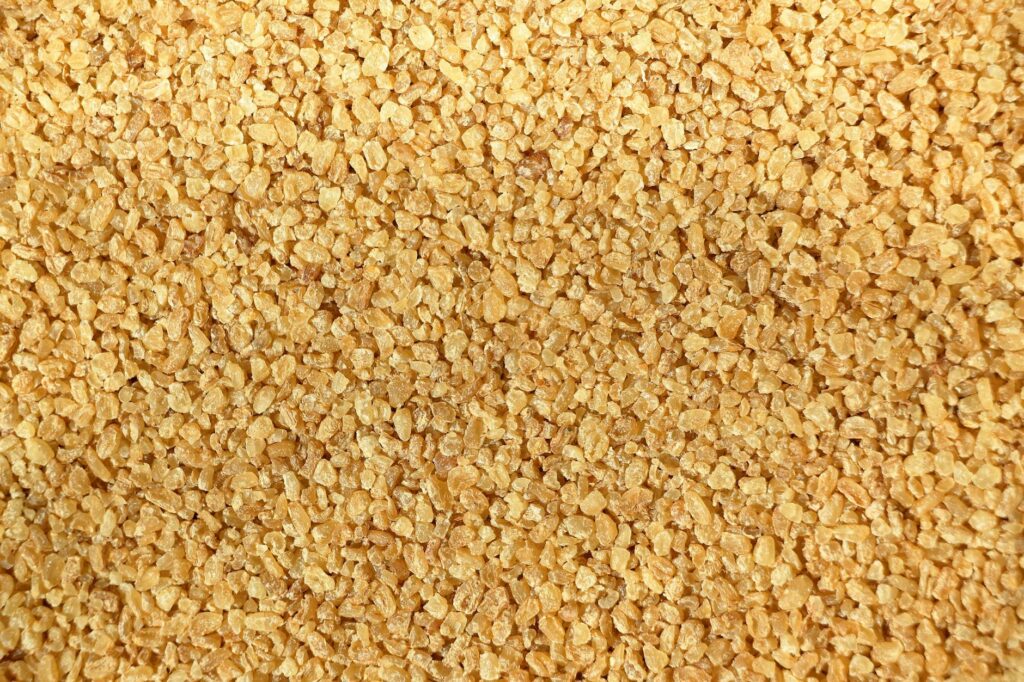
Bulgur is a cracked whole grain derived from wheat, primarily from the durum wheat variety. It is known for its coarse texture, which can range from fine to medium to coarse, depending on the level of processing. Unlike many other grains, bulgur is pre-cooked through steaming, which not only hastens its preparation time but also enhances its flavor profile. The grain is then dried and cracked into various sizes, making it a convenient ingredient for a multitude of dishes.
History and Origins
The history of bulgur dates back thousands of years, with origins tracing back to the ancient civilizations of the Middle East. Archaeological evidence suggests that bulgur was cultivated as early as 4,000 B.C. in the Fertile Crescent, an area that includes parts of modern-day Turkey, Syria, and Iraq. The grain was an essential staple for ancient societies, particularly among the Sumerians and the Akkadians, who utilized it as a primary source of sustenance.
Bulgur’s significance in the region continued through various empires, including the Byzantine and Ottoman empires, where it became a staple food. The grain was often used in traditional dishes like pilafs, salads, and dumplings. Over centuries, bulgur spread through trade routes, reaching Mediterranean and North African regions, where it adapted to local culinary practices.
Production and Processing
The production of bulgur involves several steps to ensure the grain is nutritious and shelf-stable. Initially, durum wheat is harvested and cleaned to remove impurities. The whole grains are then parboiled, a process that involves partially cooking the wheat in water and then drying it. This step enhances the grain’s flavor and nutritional profile while also reducing cooking time.
After parboiling, the wheat is cracked into different sizes using specialized milling equipment. The resulting bulgur is available in several granulations—fine, medium, and coarse—each suited for specific culinary applications. The final product is then packaged for distribution, with quality control measures in place to ensure consistency and safety.
Quality and Grading
The quality of bulgur is influenced by various factors, including the type of wheat used, the processing methods, and the final granulation. When purchasing bulgur, it’s essential to look for indicators of quality such as:
- Color: High-quality bulgur should have a consistent, golden-brown color, indicating proper processing and freshness.
- Texture: The grain should feel firm and not overly brittle. A good bulgur will have a slight chewiness when cooked.
- Moisture Content: Properly dried bulgur will have minimal moisture content, ensuring a longer shelf life.
- Salads: Tabouli, a popular Middle Eastern salad, features bulgur as its base, mixed with fresh herbs, tomatoes, and a tangy dressing.
- Pilafs: Bulgur can be cooked in broth and combined with vegetables and spices to create flavorful side dishes.
- Stuffings: Coarse bulgur is often used in stuffed vegetables, such as peppers or zucchini, mixed with meats or other grains.
- Soups and Stews: Bulgur can act as a thickening agent and a source of nutrition in hearty soups and stews.
- Baked Goods: Some recipes incorporate bulgur into bread or baked goods for added texture and nutrition.
Grading systems for bulgur can vary by region, but consumers can often find quality labels indicating the grain’s intended use. For example, bulgur intended for salads may be of finer grade, while coarser bulgur may be designated for pilafs or stews.
Buying Considerations
When buying bulgur, several factors should be taken into account:
1. Type of Bulgur: Understand the granulation that suits your needs—fine bulgur is ideal for salads and dips, while coarse bulgur works well in hearty dishes.
2. Source: Consider purchasing bulgur from reputable brands or local sources that ensure quality and sustainability in production.
3. Packaging: Look for vacuum-sealed or airtight packaging to maintain freshness and prolong shelf life.
4. Organic Options: If possible, opt for organic bulgur, which is free from synthetic pesticides and fertilizers.
5. Storage: Be aware of the storage conditions recommended by the manufacturer to maintain the grain’s quality.
Uses and Applications
Bulgur is a remarkably versatile ingredient that can be used in a variety of dishes across different cuisines. Some common applications include:
Its adaptability makes bulgur a favored ingredient for those seeking to incorporate whole grains into their diets.
Storage and Shelf Life
To maintain its quality, bulgur should be stored in a cool, dry place, preferably in an airtight container. When stored properly, bulgur can last for up to 12 months. However, it’s advisable to check for signs of spoilage, such as off odors or discoloration, before use.
For longer storage, bulgur can be refrigerated or frozen, which can extend its shelf life significantly. When using frozen bulgur, it is recommended to allow it to thaw naturally before cooking.
Common Misconceptions
Despite its numerous benefits, bulgur is often surrounded by misconceptions that may deter individuals from incorporating it into their diets:
1. Bulgur is Gluten-Free: This is incorrect. Bulgur is made from wheat and contains gluten, making it unsuitable for individuals with gluten sensitivities