
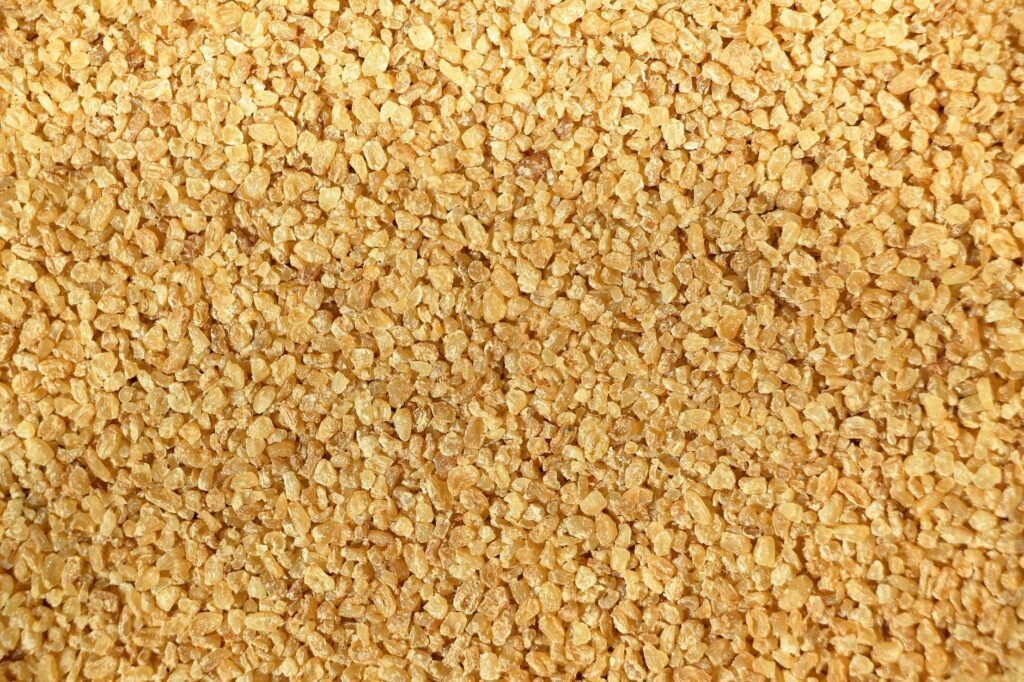
Bulgur Production by Country
Introduction
Bulgur is a staple ingredient in many cuisines, particularly in the Middle East and Mediterranean regions. Made from whole grains, typically durum wheat, bulgur is prized for its nutty flavor and versatility. As global interest in healthy eating continues to rise, the production of bulgur has gained importance, with various countries contributing to its availability in global markets. This article explores the regions involved in bulgur production, delving into the nuances of its cultivation, processing, and applications.
What Is Regions?
When discussing bulgur, “regions” refers to both the geographical areas where it is cultivated and the cultural contexts that influence its production and consumption. These regions often overlap, as traditional methods of growing and processing bulgur are passed down through generations, reflecting the agricultural practices and culinary traditions of local communities. Understanding the regional variations in bulgur production provides insight into the ingredient’s diversity and significance in global cuisine.
History and Origins
Bulgur has deep historical roots, tracing back thousands of years to the Fertile Crescent, an area that includes modern-day Turkey, Syria, and Lebanon. Archaeological evidence suggests that bulgur was a staple in ancient civilizations, including the Sumerians and Akkadians. Early agricultural practices led to the cultivation of wheat, which eventually gave rise to bulgur through a process of parboiling, drying, and cracking the grains.
Historically, bulgur has been a vital food source due to its nutritional value and long shelf life. In the Middle Ages, the method of making bulgur spread throughout the Mediterranean and into Europe, where it was incorporated into local cuisines. Today, bulgur is recognized not only as a traditional ingredient but also as a health-conscious choice, thanks to its whole grain content and high fiber levels.
Production and Processing
Major Producing Countries
Turkey is the largest producer of bulgur, accounting for a significant portion of global output. Other notable producers include Syria, Lebanon, and several countries in the Mediterranean region, such as Greece and Italy. Each country has its own unique cultivation methods, influenced by climate, soil conditions, and local agricultural practices.
Cultivation
Bulgur production begins with the cultivation of durum wheat, a hard wheat variety that is ideal for creating bulgur due to its high protein content and gluten strength. The cultivation process involves several stages, including soil preparation, sowing, irrigation, and harvesting. Durum wheat thrives in arid and semi-arid climates, making regions with these conditions particularly suited for bulgur production.
Processing
Once harvested, durum wheat undergoes a multi-step processing method to transform it into bulgur. This involves:
1. Cleaning: Removing impurities and foreign materials from the harvested wheat.
2. Parboiling: The wheat is soaked in water, steamed, and then dried. This process gelatinizes the starches and makes the grain easier to digest.
3. Cracking: The dried wheat is cracked into various sizes, producing different grades of bulgur.
4. Drying: The cracked bulgur is dried again to ensure a long shelf life.
The entire process emphasizes minimal processing to retain the nutritional benefits of the whole grain while ensuring the bulgur’s characteristic texture and flavor.
Quality and Grading
Bulgur is typically categorized into different grades based on its size and texture. The most common grades include:
- Fine Bulgur: Often used for salads, such as tabbouleh, and as a filler in various dishes.
- Medium Bulgur: Suitable for pilafs and side dishes.
- Coarse Bulgur: Best for hearty stews and as a base for grain bowls.
- Type: Choose the grade of bulgur that suits your culinary needs. Fine bulgur cooks quickly, while coarse bulgur requires a longer cooking time.
- Packaging: Look for bulgur packaged in airtight containers to maintain freshness. Bulk bins can also be a good option, provided they are well-maintained.
- Origin: If possible, opt for bulgur sourced from reputable producers in traditional growing regions. This can often guarantee adherence to quality standards.
- Shelf Life: Check the expiration date to ensure freshness. Proper storage can significantly extend the shelf life of bulgur.
- Salads: Mixed with vegetables and herbs, bulgur forms the base of refreshing dishes like tabbouleh.
- Side Dishes: It can serve as a nutritious alternative to rice or couscous, often flavored with spices and herbs.
- Main Courses: Bulgur can be incorporated into stuffed vegetables, pilafs, and grain-based bowls.
- Baking: Some recipes utilize bulgur in bread-making, adding unique flavor and texture.
Quality indicators for bulgur include color, moisture content, and absence of impurities. Higher-quality bulgur is often lighter in color and has a consistent texture, while lower-quality variants may contain debris or exhibit uneven sizes.
Buying Considerations
When purchasing bulgur, several factors should be considered to ensure high quality:
Uses and Applications
Bulgur is an incredibly versatile ingredient used in various culinary applications. Its nutty flavor and chewy texture make it suitable for:
Its adaptability makes bulgur a popular choice among chefs and home cooks alike, as it can be easily integrated into both traditional and contemporary dishes.
Storage and Shelf Life
Proper storage of bulgur is essential to maintain its quality and flavor. Bulgur should be kept in a cool, dry place, preferably in an airtight container to prevent moisture absorption. When stored correctly, bulgur can last for up to two years. However, it is advisable to check for any signs of spoilage, such as off odors or discoloration, before use.
Common Misconceptions
Despite its popularity, several misconceptions about bulgur persist:
1. Bulgur is the same as cracked wheat: While both are made from wheat, bulgur is parboiled and dried, whereas cracked wheat is simply cracked raw wheat.
2. Bulgur is gluten-free: Bulgur is made from wheat, therefore it contains gluten and is not suitable for individuals with gluten intolerance or celiac disease.
3. All bulgur is the same: Different grades of bulgur possess distinct textures and cooking times, making it essential to select the right type for specific recipes.
Understanding these nuances can enhance one’s culinary experience with bulgur, ensuring it is used to its fullest potential.
Frequently Asked Questions
1. What is the nutritional profile of bulgur?
Bulgur is rich in fiber, protein, vitamins, and minerals. It is low in fat and provides essential nutrients like iron and magnesium, making it a healthy choice for various diets.
2. How do you cook bulgur?
Cooking bulgur is straightforward. Generally, it requires a 1:2 ratio of bulgur to water. Bring the water to a boil, add the bulgur, and simmer until tender.
3. Is bulgur suitable for vegetarians and vegans?
Yes, bulgur is a plant-based ingredient that fits well into vegetarian and vegan diets, offering a good source of protein and fiber.
4. Can bulgur be frozen?
While bulgur can be frozen, it is not necessary as it has a long shelf life when stored properly. However, cooked bulgur can be frozen for later use.
5. What is the difference between bulgur and quinoa?
Bulgur is made from wheat, while quinoa is a seed. Quinoa is gluten-free and has a different texture and flavor, making them distinct ingredients.
6. Where can I buy bulgur?
Bulgur is widely available in grocery stores, health food shops, and online retailers. Look for reputable brands that source their ingredients responsibly.
In conclusion, bulgur’s rich history, diverse regional productions, and numerous culinary applications make it a fascinating ingredient worthy of exploration. Understanding its qualities and uses can enhance your culinary repertoire while appreciating the cultural significance of this ancient grain.