
Bulgur Uses Guide Part 7
Introduction
Bulgur, a whole grain derived from cracked wheat, has been a staple in various culinary traditions for centuries. Recognized for its versatility, nutritional benefits, and ease of preparation, bulgur serves as an integral ingredient in numerous dishes worldwide. This article delves into the multifaceted uses of bulgur, exploring its history, production, applications in cooking, and more.
What Is Uses?
In the context of food ingredients, “uses” refers to the various applications and roles that a particular ingredient plays within culinary practices. For bulgur, this encompasses its incorporation into traditional dishes, its function as a nutritious base or side, and its adaptability in modern cuisines. Understanding these uses helps home cooks, professional chefs, and food enthusiasts appreciate the grain’s potential and versatility.
History and Origins
Bulgur boasts a rich history that dates back thousands of years. It is believed to have originated in the Middle East, where it was a vital food source for ancient civilizations, including the Sumerians and Babylonians. The grain was traditionally made by parboiling whole wheat kernels, drying them, and then cracking them into varying sizes. This ancient processing method not only preserved the grain but also made it quicker to prepare than whole wheat.
The Mediterranean region, particularly countries like Turkey, Lebanon, and Syria, has long embraced bulgur as a dietary staple. It has played a significant role in traditional dishes, such as tabbouleh and kibbeh, and has been celebrated for its nutritional value and versatility.
Production and Processing
Bulgur is produced through a careful process that involves several stages: harvesting, parboiling, drying, and cracking. The process begins with the selection of whole wheat, which is harvested, cleaned, and then parboiled to partially cook the grains. This step not only enhances the flavor but also reduces cooking time. After parboiling, the wheat is dried and cracked into various sizes, typically classified as fine, medium, and coarse bulgur.
The production of bulgur is often influenced by regional practices, with variations in processing techniques and grain types. The most common varieties used for bulgur production are durum wheat and hard red wheat, both known for their high protein content and sturdy texture.
Quality and Grading
Quality and grading of bulgur are essential factors for consumers and chefs alike. The grading system typically categorizes bulgur based on its grain size, color, and overall quality. Fine bulgur is often used in salads and dips, while medium and coarse varieties are favored for pilafs and stuffing.
When assessing bulgur quality, consider the following aspects:
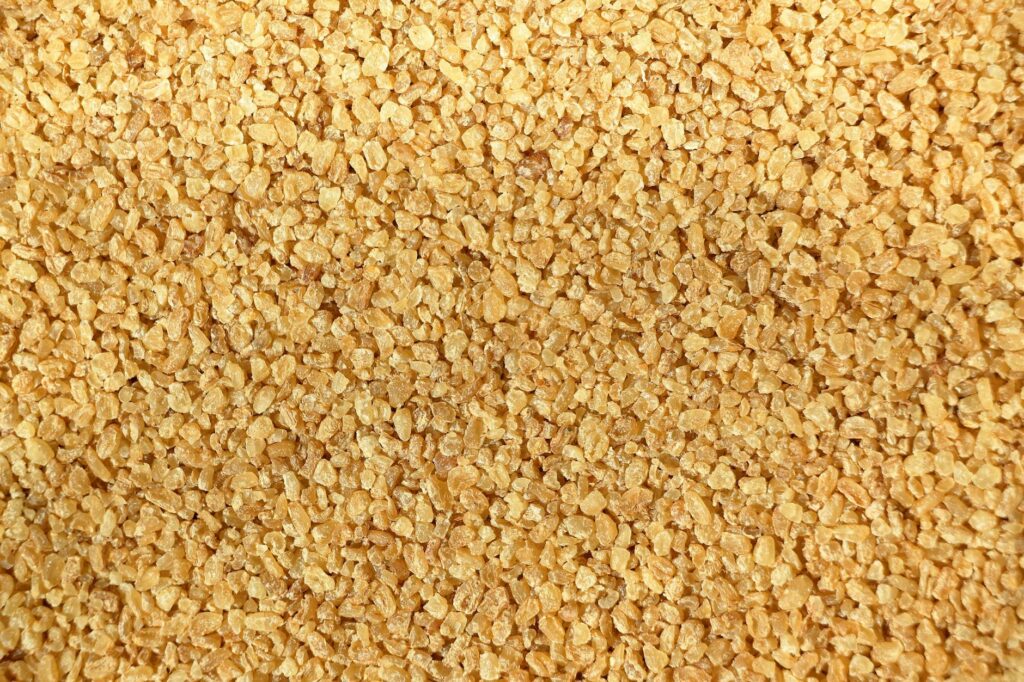
- Color: High-quality bulgur should have a consistent, light tan color, indicating freshness.
- Texture: The grains should be firm and intact, not crushed or broken.
- Aroma: Fresh bulgur has a pleasant, nutty aroma, while stale bulgur may have an off-putting smell.
Purchasing bulgur from reputable suppliers can ensure that you receive a quality product that meets culinary needs.
Buying Considerations
When buying bulgur, several factors can influence your decision:
1. Type of Bulgur: Understand the differences between fine, medium, and coarse bulgur to choose the right type for your intended use.
2. Packaging: Opt for bulgur that is packaged in airtight, resealable containers to maintain freshness. Bulk bins can be an economical choice, but ensure that the store has high turnover rates for optimal freshness.
3. Organic vs. Conventional: Consider purchasing organic bulgur if you prefer grains free from pesticides and synthetic fertilizers.
4. Store Location: Look for bulgur in specialty stores, health food stores, or international markets to find a diverse selection.
Uses and Applications
Bulgur’s versatility makes it suitable for a wide range of culinary applications. Here are some of the most common uses:
1. Salads
Bulgur is a popular base for salads, most notably tabbouleh, a traditional Levantine salad that combines finely chopped parsley, tomatoes, mint, and lemon juice. The grain’s nutty flavor complements fresh vegetables and herbs, making it an ideal choice for refreshing summer dishes.
2. Side Dishes
Bulgur can be used as a nutritious side dish, often substituted for rice or couscous. Its quick cooking time makes it a convenient option for busy weeknights. It can be sautéed with spices, herbs, and vegetables to create flavorful grain bowls or served alongside proteins.
3. Stuffing and Fillings
Coarse bulgur can be utilized as a stuffing for vegetables such as peppers, zucchini, or eggplants. When mixed with spices, herbs, and other ingredients, bulgur provides a hearty texture and enhances the overall flavor of the dish.
4. Soups and Stews
Bulgur can be added to soups and stews to impart additional texture and absorb flavors. Its ability to retain moisture makes it an excellent addition to broth-based dishes, where it can soak up rich flavors while maintaining its integrity.
5. Baked Goods
In some cultures, bulgur is incorporated into baked goods, such as bread and pastries. It can be ground into flour and used as a partial substitute for all-purpose flour, adding a unique flavor and nutritional profile to the final product.
6. Breakfast Dishes
Bulgur can also be enjoyed at breakfast, serving as a wholesome grain porridge. When cooked with milk or water and sweetened with honey or fruit, it transforms into a hearty, nutritious morning meal.
Storage and Shelf Life
Proper storage is crucial for maintaining the quality of bulgur. Store it in an airtight container in a cool, dry place away from direct sunlight. When kept in optimal conditions, bulgur can last for several months, but for the best flavor and texture