
Burrata Around the World
Introduction
Burrata, a sumptuous Italian cheese, has captivated the palates of gourmets and casual diners alike around the globe. Known for its rich, creamy interior encased in a delicate mozzarella shell, burrata is a versatile ingredient that elevates a variety of dishes. This article explores the regions associated with burrata, examining its history, production methods, quality grading, and the myriad ways in which this delightful cheese can be utilized.
What Is Regions?
Understanding the concept of “regions” in the context of burrata involves delving into the geographical areas where this cheese is traditionally produced, as well as how local cultures and environments influence its characteristics. Burrata is primarily associated with the Puglia region in Southern Italy, yet its popularity has sparked interest and variations in other parts of the world. Each region contributes unique flavors and textures influenced by local milk sources, production techniques, and culinary traditions.
History and Origins
Burrata’s origins date back to the early 20th century in the region of Puglia, specifically in the town of Andria. The name “burrata” derives from the Italian word “burro,” meaning butter, which reflects the cheese’s creamy texture. Initially created as a way to utilize leftover mozzarella curds, burrata quickly gained popularity due to its indulgent taste and unique presentation.
As Italian immigrants spread across the globe, they brought their culinary traditions with them, leading to the introduction of burrata in countries such as the United States, Australia, and various parts of Europe. Today, while traditional methods remain in Puglia, modern variations have emerged, demonstrating the cheese’s adaptability and global appeal.
Production and Processing
The production of burrata involves several critical steps, beginning with the sourcing of high-quality milk. Traditionally, burrata is made from water buffalo milk, which imparts a distinct flavor profile. However, cow’s milk is also commonly used, particularly outside Italy.
1. Curd Preparation: The process begins with curdling the milk using rennet. Once the curds form, they are cut and heated to release whey.
2. Mozzarella Formation: The curds are then kneaded and pulled to create the mozzarella shell. This stage requires skill to ensure the cheese achieves the right elasticity and texture.
3. Filling: The unique aspect of burrata lies in its filling. Stracciatella—shredded mozzarella mixed with cream—is placed inside the mozzarella shell before it is sealed.
4. Shaping and Packaging: The cheese is then shaped into balls, typically weighing around 150-250 grams, and packaged in a way that preserves its freshness.
The entire process is a labor of love, requiring expertise and attention to detail to maintain the integrity of this artisanal cheese.
Quality and Grading
Burrata, like many cheeses, is subject to quality grading based on several factors:
- Milk Quality: The milk’s source—water buffalo versus cow—can significantly affect flavor, with buffalo milk generally providing a richer taste.
- Texture and Consistency: A high-quality burrata should have a smooth exterior with a soft, creamy interior. When cut, the filling should flow gently, indicating a proper balance of cream and cheese.
- Freshness: The best burrata is consumed fresh, ideally within a few days of production. Look for a “best by” date on packaging.
- Artisanal Methods: Traditional, small-scale producers often yield higher-quality products compared to mass-produced varieties.
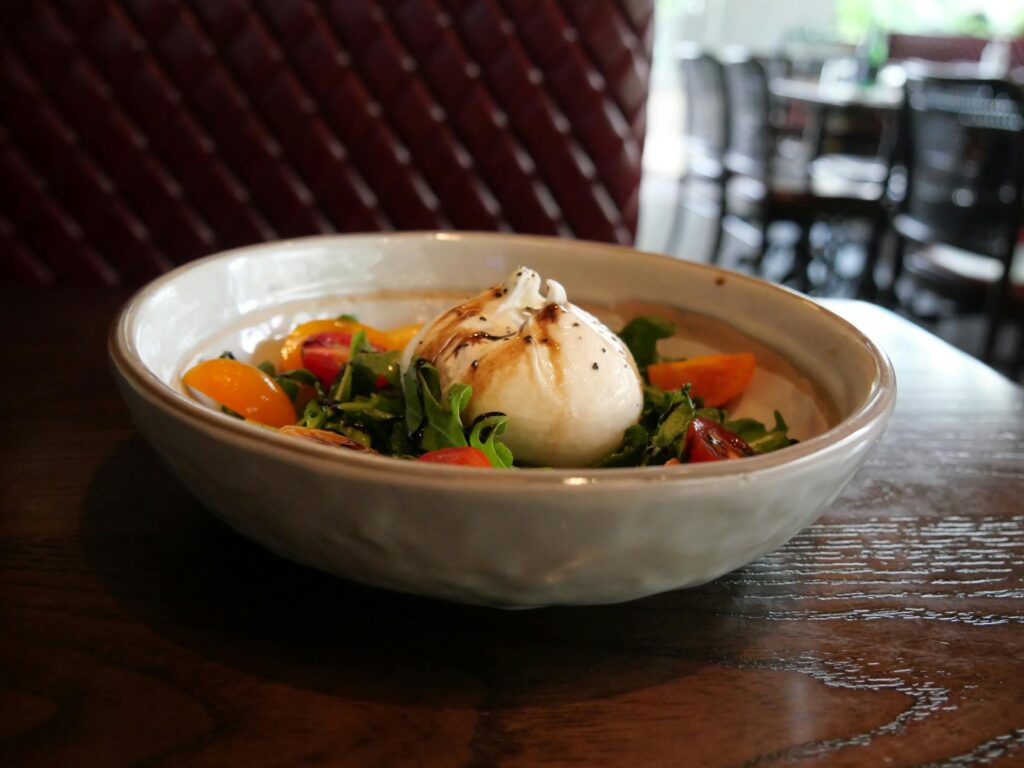
- Salads: Burrata can be the star ingredient in salads, pairing beautifully with fresh tomatoes, basil, and a drizzle of olive oil.
- Pasta Dishes: It can be added to pasta, either as a filling or as a topping, melting into the dish and providing a luxurious creaminess.
- Appetizers: Served with crusty bread, charcuterie, or fresh fruits like figs and peaches, burrata makes for an elegant appetizer.
- Pizza: Topping pizzas with burrata right before serving adds a decadent finish to this classic dish.
- Soups: A dollop of burrata can elevate soups, providing a contrast to savory broth and enhancing overall flavor.
- Refrigeration: Store burrata in the refrigerator, ideally in its original packaging or submerged in water to maintain moisture.
- Consumption Window: Once opened, burrata should ideally be consumed within 24-48 hours for optimal taste and texture.
- Freezing: While burrata can technically be frozen, this may alter its texture and
Many artisanal cheese shops and specialty stores offer burrata, allowing consumers to choose based on quality and origin.
Buying Considerations
When purchasing burrata, several factors should be considered:
1. Source: Opt for products made from high-quality milk, preferably from established producers or artisanal farms.
2. Packaging: Burrata should be sold in water or whey to maintain its moisture and freshness. Check for airtight seals to ensure the cheese hasn’t been exposed to air.
3. Appearance: Look for a smooth, glossy surface with no signs of drying or cracks. The cheese should feel soft to the touch.
4. Expiration Date: Always check the expiration date. Burrata is best consumed fresh, so choose products with the longest shelf life.
5. Local Variants: Explore regional variations that may offer unique flavors or textures, particularly if traveling outside Italy.
Uses and Applications
Burrata’s versatility makes it a favorite among chefs and home cooks alike. Its creamy texture and rich flavor enhance a variety of dishes:
Storage and Shelf Life
Burrata is best enjoyed fresh, but proper storage can help extend its shelf life. Here are some tips: