
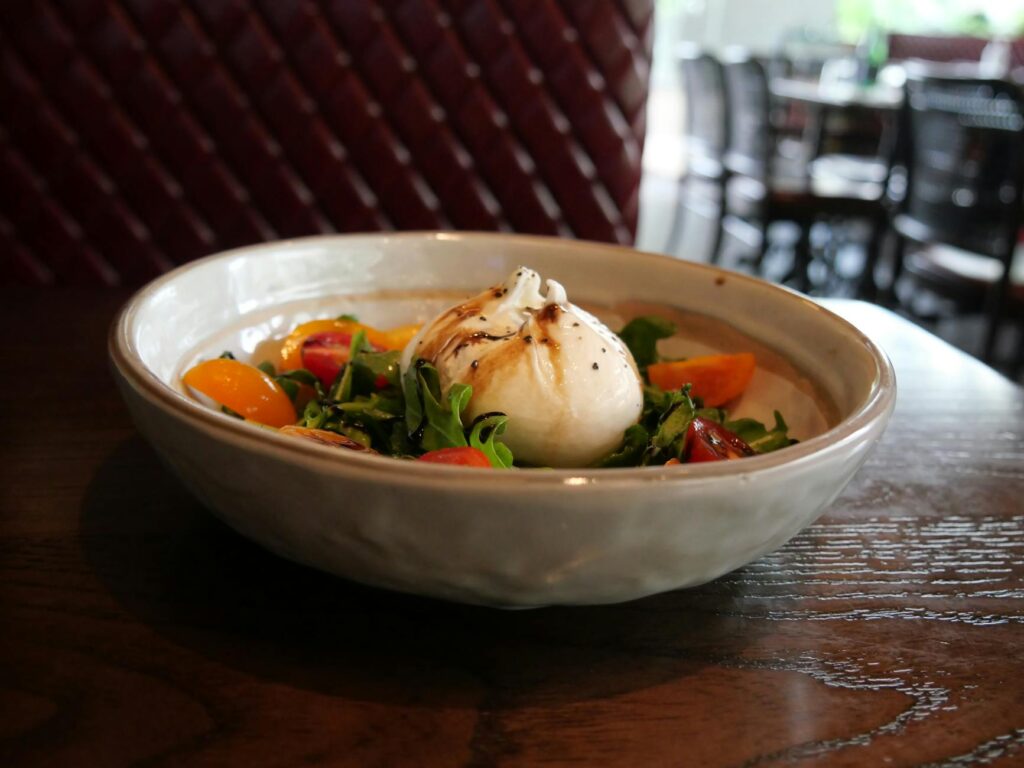
Burrata Buying Guide Part 6
Introduction
Burrata, a luxurious Italian cheese, has captured the hearts and palates of food enthusiasts around the globe. Known for its creamy interior and delicate outer shell, this cheese is not just an ingredient but a culinary experience. In this comprehensive guide, we will delve into the intricacies of buying burrata, focusing on its history, production, quality, and practical considerations to enhance your culinary endeavors.
What Is Buying?
Buying, in the context of food ingredients like burrata, refers to the process of selecting and purchasing products that meet specific quality and culinary standards. This encompasses understanding the nuances of the product, including its origins, manufacturing processes, and quality indicators. For burrata, proper buying is essential to ensure you are investing in a product that meets your expectations for flavor, texture, and overall dining experience.
History and Origins
Burrata has its roots in Apulia, a region in southern Italy, where it was first crafted in the late 19th century. The cheese was invented by a cheesemaker from Andria, who sought to utilize the leftover curds from mozzarella production. This resulted in a fresh cheese that was both innovative and practical, preserving the rich flavors of the region’s dairy. The word “burrata” is derived from “burro,” meaning butter in Italian, reflecting its rich, buttery texture.
Over the decades, burrata has evolved from a regional delicacy to a globally recognized gourmet ingredient. Its unique flavor profile and texture have made it a favorite among chefs and home cooks alike, inspiring its incorporation into various culinary traditions beyond Italian cuisine.
Production and Processing
The production of burrata begins with high-quality cow’s milk, although some artisans use buffalo milk for a more robust flavor. The milk is gently heated and combined with rennet, which curdles it. The curds are then cut into small pieces, allowing whey to escape.
After the curds are drained, they are kneaded and shaped into balls of mozzarella, which forms the outer layer of burrata. The inner filling consists of cream and stracciatella, a mixture of mozzarella and cream that creates the characteristic oozy center.
Once formed, burrata must be stored in a brine solution or wrapped in a protective covering to maintain its moisture and freshness. The entire process emphasizes the importance of using high-quality ingredients and traditional methods to achieve the authentic taste and texture that burrata is known for.
Quality and Grading
When examining burrata for purchase, quality is paramount. Some key indicators of high-quality burrata include:
- Texture: Authentic burrata should have a soft, creamy interior that contrasts with a slightly firmer outer shell. It should not be overly dense or rubbery.
- Freshness: Burrata is best enjoyed fresh. Opt for products with the shortest shelf life, ideally made within the last 48 hours.
- Flavor: High-quality burrata should impart a rich, buttery flavor with a hint of sweetness. There should be no off-putting or sour notes.
- Packaging: Look for burrata that is well-packaged to prevent exposure to air, which can compromise its freshness. Vacuum-sealed options are often preferable.
- Salads: Burrata adds a luxurious touch to salads, complementing greens, fruits, and nuts beautifully.
- Pasta Dishes: Incorporate burrata into pasta dishes for an indulgent finish, allowing the creamy center to meld with the sauce.
- Appetizers: Serve burrata as a standalone appetizer, drizzled with olive oil and paired with crusty bread or charcuterie.
- Pizzas: Use burrata as a topping on pizzas for a rich, creamy texture that contrasts with the crispy crust.
- Brunch Dishes: Incorporate burrata into brunch offerings, such as eggs or toast, to elevate the meal.
- Refrigeration: Store burrata in the coldest part of your refrigerator. If it comes in brine, keep it submerged to maintain moisture.
- Shelf
While there is no formal grading system for burrata, artisanal producers often emphasize their methods and ingredient sourcing, making it easier for consumers to identify high-quality options.
Buying Considerations
When purchasing burrata, consider the following factors to ensure you select the best product:
1. Source: Look for burrata made by reputable cheesemakers who adhere to traditional methods. Local artisanal producers often yield the freshest options.
2. Type: Burrata comes in various styles, including those made from cow’s milk and buffalo milk. The latter tends to offer a more intense flavor but may be less common.
3. Form: Burrata is typically sold in balls ranging from 100 grams to larger sizes. Choose the size according to your intended use, whether for a single dish or multiple servings.
4. Seasonality: Burrata is at its peak during the summer months when milk quality is highest. Consider the time of year when making your purchase to ensure optimal flavor.
5. Price Point: Quality burrata can be more expensive than other cheeses due to its labor-intensive production process. Be prepared to invest in a premium product for the best experience.
6. Pairings: Burrata pairs beautifully with a variety of ingredients, including ripe tomatoes, fresh basil, olive oil, and balsamic vinegar. Think about how you plan to use it when making your selection.
Uses and Applications
Burrata is an incredibly versatile cheese with a range of culinary applications:
The creamy texture and subtle flavor of burrata make it a perfect complement to a wide variety of ingredients, enhancing both presentation and taste.
Storage and Shelf Life
Burrata is best consumed fresh but can be stored properly to extend its shelf life: