
Burrata Guides Guide Part 7
Introduction
Burrata, a luscious Italian cheese, has captured the hearts of culinary enthusiasts and chefs alike. Its unique blend of creamy richness and delicate texture makes it a versatile ingredient in various dishes, from antipasti platters to gourmet pizzas. This guide, “Burrata Guides Guide Part 7,” aims to provide a comprehensive overview of all aspects of burrata, from its history and production to buying considerations and common misconceptions. Whether you’re a home cook or a professional chef, understanding burrata can enhance your culinary repertoire.
What Is Burrata?
Burrata is a fresh Italian cheese made from cow’s milk, known for its outer shell of solid mozzarella and an interior filled with a creamy mixture of stracciatella and fresh cream. This delightful combination creates a textural contrast that is both satisfying and indulgent. Originating from the Apulia region of Italy, burrata is often served fresh, highlighting its creamy interior and mild flavor. It is typically enjoyed at room temperature, allowing the inner cream to ooze out when cut, providing a rich, luxurious experience.
History and Origins
The origins of burrata can be traced back to the late 19th century in the Murgia region of Apulia. It is believed that burrata was created by cheesemakers as a way to utilize leftover mozzarella curds. The name “burrata” derives from the Italian word “burro,” meaning butter, which reflects the cheese’s rich, buttery flavor. Initially crafted as a way to preserve the freshness of mozzarella, burrata quickly gained popularity and became a staple in regional cuisine. Over the decades, its reputation has spread globally, making it a sought-after ingredient in gourmet kitchens around the world.
Production and Processing
The production of burrata is a meticulous process that requires skill and precision. It begins with the curd of fresh milk, which is heated and stretched to create mozzarella. This mozzarella is then formed into a pouch, which is filled with the creamy mixture of stracciatella—a blend of mozzarella scraps and cream. The pouch is then tied off and shaped into a ball, creating the characteristic form of burrata.
Key steps in the production process include:
1. Milk Selection: High-quality cow’s milk is essential for producing premium burrata. The milk should be fresh and sourced from reputable dairies.
2. Curd Preparation: The milk is heated and combined with rennet to form curds. These curds are then broken down and heated again to achieve the right texture.
3. Stretching: The curds are manually stretched and kneaded to create mozzarella, which gives burrata its signature outer layer.
4. Filling: The mozzarella pouch is filled with the creamy stracciatella, which is the heart of burrata.
5. Shaping and Packaging: Finally, the filled pouch is shaped, tied, and packaged for distribution. Fresh burrata is best enjoyed within a few days of production.
Quality and Grading
Quality and grading are crucial aspects when it comes to burrata. The best burrata is made from high-quality milk and crafted using traditional methods. Here are the key factors to consider when assessing the quality of burrata:
- Texture: Premium burrata should have a soft, pliable outer layer and a creamy, luscious interior. It should not be overly firm or rubbery.
- Flavor: The taste should be mild yet rich, with a subtle sweetness. Any bitterness or sourness may indicate inferior quality.
- Freshness: Freshness is paramount. Look for burrata that is produced within a few days to weeks of purchase, as it is best enjoyed at its peak.
- Packaging: Authentic burrata is often packaged in a brine or whey solution, which helps maintain its moisture and flavor.
- Source: Look for burrata produced in Italy or by reputable local cheesemakers. Many artisanal producers focus on quality and traditional techniques.
- Freshness: Always check the production date on the packaging. Burrata is best consumed fresh, ideally within a few days of production.
- Price: High-quality burrata may come at a higher price point due to the labor-intensive production process. Consider it an investment in flavor and quality.
- Texture and Appearance: Inspect the cheese for a smooth, shiny exterior and a slightly squishy texture. Avoid any that appear dry or cracked.
- Brine or Whey: Authentic burrata is often stored in a brine or whey solution, which helps to preserve its moisture and flavor. This is a sign of a quality product.
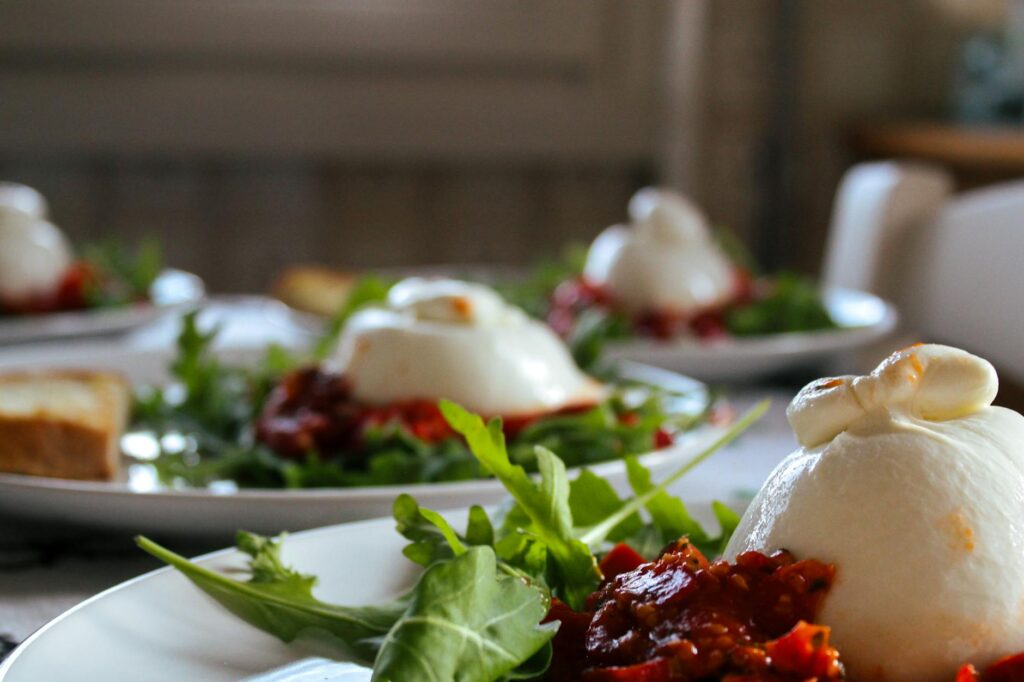
- Salads: Burrata pairs beautifully with fresh greens, heirloom tomatoes, and a drizzle of olive oil, creating a refreshing salad.
- Pizzas and Flatbreads: The rich creaminess of burrata makes it an ideal topping for pizzas, adding a luxurious element to traditional toppings.
- Pasta Dishes: Burrata can be used as a finishing touch on pasta, complementing flavors like pesto, roasted vegetables, or even simple olive oil and garlic.
- Antipasti Plates: Serve burrata alongside cured meats, olives, and crusty bread for an elegant antipasto platter.
- Desserts: While less common, burrata can be paired with fruit and honey for a unique dessert experience, showcasing its versatility.
When purchasing burrata, consider seeking out artisanal producers who prioritize quality and traditional methods over mass production.
Buying Considerations
When buying burrata, several factors should be taken into account to ensure you are selecting the best product:
Uses and Applications
Burrata is an incredibly versatile ingredient that can be used in a variety of culinary applications. Its creamy texture and mild flavor make it suitable for both savory and sweet dishes. Common uses of burrata include:
Storage and Shelf Life
Storing burrata properly