
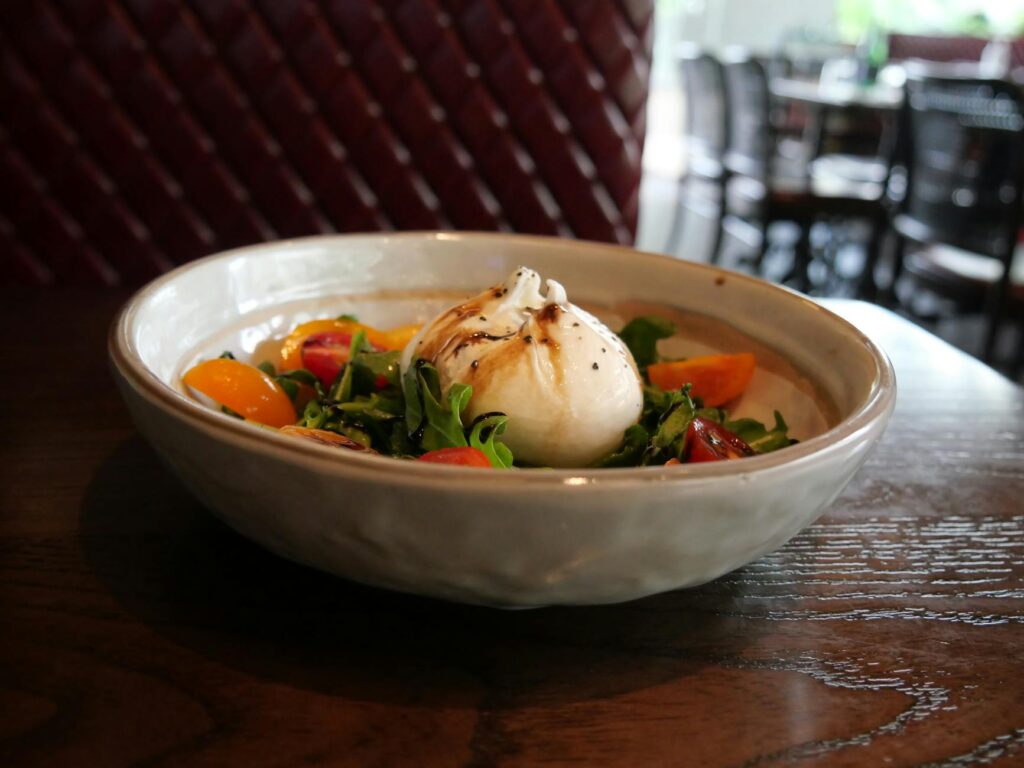
Burrata: Origins and Evolution
Introduction
Burrata, a luxurious Italian cheese, is celebrated for its creamy texture and rich flavor, making it a favorite among chefs and food enthusiasts alike. This unique cheese not only delights the palate but also embodies a fascinating history and a meticulous production process that have evolved over time. This article delves into the origins of burrata, its production methods, quality standards, and its various applications in modern cuisine.
What Is Burrata?
Burrata is a fresh cheese made from mozzarella and cream. The outer shell is comprised of solid mozzarella, while the interior contains a rich mixture of stracciatella (shredded mozzarella) and cream, creating a luscious, creamy center. Originating from the Puglia region of Italy, burrata is often served fresh and is best enjoyed at room temperature, allowing its flavors and textures to shine.
History and Origins
Burrata has its roots in the early 20th century, specifically around 1920, in the town of Andria, located in the Apulia region of southern Italy. The cheese was created by a cheesemaker named Lorenzo Bianchino, who sought to make use of leftover mozzarella scraps. By combining mozzarella with cream, he crafted a new cheese that was both indulgent and resourceful.
The name “burrata” is derived from the Italian word “burro,” meaning butter, which signifies the cheese’s rich, buttery texture. Initially, burrata was a local delicacy, enjoyed mainly by farmers and locals. Over the decades, its popularity spread beyond the confines of Puglia, eventually reaching other parts of Italy and later the world.
As Italian cuisine gained international acclaim, so too did burrata. Today, it is featured in gourmet restaurants and artisan cheese shops across the globe, celebrated for its unique flavor and versatility.
Production and Processing
The production of burrata is a meticulous process, requiring skill and attention to detail. The primary ingredients are cow’s milk, cream, and rennet. The process begins with the curdling of milk through the addition of rennet. Once the curds have formed, they are cut and heated, allowing them to become pliable.
The curds are then kneaded and stretched, a technique known as “pasta filata,” which creates the characteristic elasticity of mozzarella. After forming the outer shell, the cheesemaker prepares the filling by mixing freshly shredded mozzarella with cream, producing a rich, creamy mixture known as stracciatella. The outer shell is then filled with this mixture and sealed, resulting in the distinctive shape of burrata.
Quality and freshness are paramount in the production of burrata. Traditionally, it is made daily and consumed shortly thereafter, as its flavor and texture are best when fresh. Some artisanal producers may age burrata slightly, but the cheese is typically enjoyed within a few days of production.
Quality and Grading
The quality of burrata is assessed based on various factors, including texture, flavor, aroma, and appearance. When evaluating burrata, look for the following characteristics:
- Texture: High-quality burrata should have a soft, creamy interior that oozes when cut. The outer shell should be firm yet pliable, indicating freshness.
- Flavor: The cheese should possess a mild, buttery flavor with subtle hints of sweetness from the cream. A well-made burrata will have a balanced taste, with neither the mozzarella nor the cream overpowering the other.
- Aroma: Fresh burrata has a clean, dairy aroma, with a slight nuttiness. Any off-putting smells may indicate spoilage or poor quality.
- Appearance: The outer shell should be smooth and shiny, while the interior should be creamy and white, showcasing the rich filling.
- Salads: Burrata is often paired with fresh vegetables, fruits, or herbs, adding a creamy element to salads. It complements ingredients like heirloom tomatoes, arugula, and basil beautifully.
- Pasta: Burrata can be added to pasta dishes, either as a topping or incorporated into sauces. Its creamy texture enhances the overall dish, making it more indulgent.
- Pizzas and Flatbreads: Many chefs use burrata as a topping for pizzas or flatbreads, where it melts slightly during baking, creating a luxurious layer of creaminess.
- Appetizers: Served with crusty bread, balsamic
In Italy, burrata is often graded based on production methods and adherence to traditional practices. Artisan producers may adhere to stricter quality controls, ensuring that their burrata meets high standards.
Buying Considerations
When purchasing burrata, several factors should be kept in mind to ensure you select the best quality cheese:
1. Freshness: Look for burrata with a production date on the packaging. Fresher cheese will have a better texture and flavor.
2. Source: Opt for burrata from reputable producers or specialty cheese shops. Many artisanal cheesemakers prioritize quality over mass production.
3. Packaging: Burrata is typically sold in water or whey to maintain moisture. Ensure the packaging is intact and check for any signs of spoilage, such as off smells or discoloration.
4. Texture: If possible, gently press the cheese to assess its firmness. It should yield slightly but still retain its shape.
5. Taste: If sampling is an option, taste the burrata before purchasing. A well-balanced flavor profile is crucial to an enjoyable experience.
6. Varieties: While traditional burrata is made from cow’s milk, some producers offer variations made with buffalo milk, which provides a richer taste. Explore different types to find your preference.
Uses and Applications
Burrata’s versatility makes it a favored ingredient in a variety of culinary applications. Here are some common uses: