
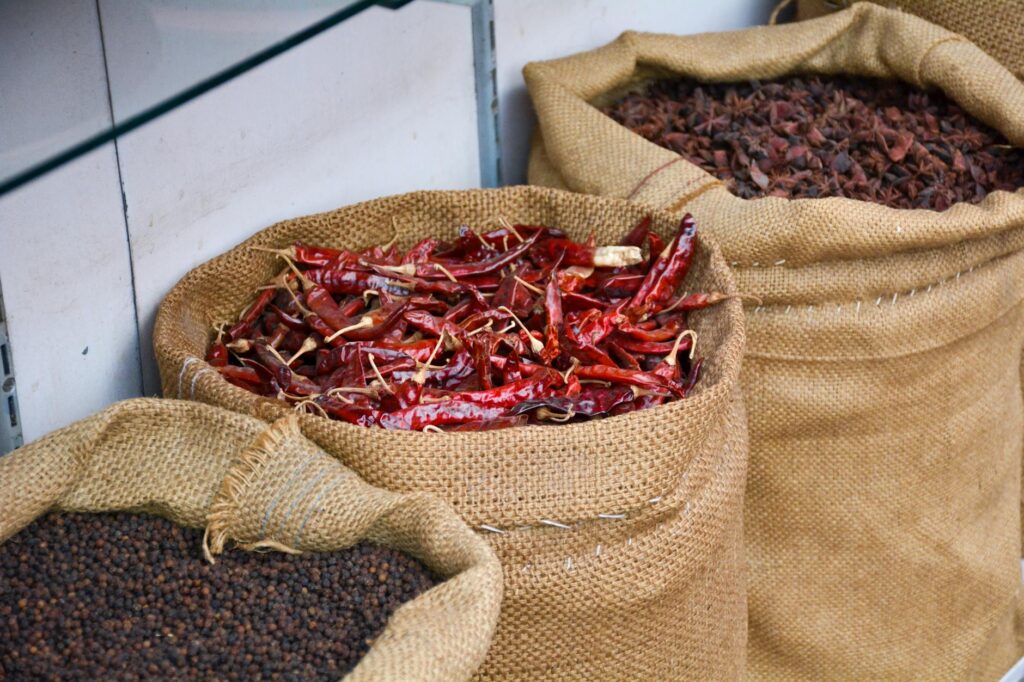
Buying Ingredients Guide Part 6: Black Pepper
Introduction
Black pepper, often referred to as the “king of spices,” is one of the most widely used and traded spices in the world. Its pungent aroma and distinct flavor profile have made it an essential ingredient in cuisines across the globe. For culinary professionals and home cooks alike, understanding how to buy black pepper is crucial for achieving the best results in cooking and seasoning. This guide will delve into various aspects of purchasing black pepper, offering insights into its history, production, quality grading, and practical considerations.
What Is Buying?
Buying, in the context of food ingredients, refers to the process of selecting and acquiring products based on quality, cost, and intended use. It involves evaluating various factors such as freshness, origin, packaging, and supplier reliability. When it comes to black pepper, effective buying can significantly influence the flavor and overall quality of a dish. Understanding the nuances of this spice’s market can empower consumers to make informed choices that enhance their culinary experiences.
History and Origins
Black pepper (Piper nigrum) has a rich history that dates back thousands of years. Indigenous to the Malabar Coast of India, this spice is one of the oldest known trade commodities. Ancient civilizations, including the Egyptians and Romans, highly valued black pepper, using it not just in cooking but also as a form of currency and in religious rituals. The spice trade routes that developed around black pepper significantly influenced global trade, leading to the establishment of maritime routes and the eventual age of exploration.
As European powers sought to control the spice trade, the importance of black pepper surged, culminating in its introduction to various cuisines worldwide. Today, it is cultivated in tropical regions, with India, Vietnam, and Indonesia being the largest producers.
Production and Processing
The production of black pepper is a meticulous process that begins with the cultivation of pepper vines. These vines thrive in warm, humid climates and require specific conditions for optimal growth. After harvesting, the pepper berries undergo a unique processing method that transforms them into the familiar black peppercorns.
1. Harvesting: Black pepper is harvested when the berries are still green and unripe. Timing is crucial, as the berries must be picked at the right moment for maximum flavor.
2. Fermentation and Drying: Once harvested, the berries are briefly soaked to ferment, which enhances their flavor. Following fermentation, the berries are dried in the sun or by using mechanical dryers. This process causes the outer skin to shrivel and turn black, giving black pepper its characteristic appearance.
3. Sorting and Grading: After drying, the peppercorns are sorted based on size, color, and quality. The best quality peppercorns are typically larger and have a more intense flavor.
The final product is then packaged for distribution, ensuring that it retains its aroma and flavor until it reaches consumers.
Quality and Grading
Quality and grading are paramount when purchasing black pepper. The grading system typically considers factors such as size, color, aroma, and flavor intensity. Common grades include:
- Tellicherry Pepper: Sourced from the Malabar Coast in India, Tellicherry peppercorns are larger and have a robust flavor, making them a premium choice.
- Malabar Pepper: Also from India, Malabar pepper is known for its earthy and slightly fruity notes.
- Lampong Pepper: From Indonesia, Lampong pepper is smaller and has a more pungent flavor, often used in culinary applications where a strong pepper taste is desired.
- Seasoning: It is a fundamental seasoning for meats, vegetables, and sauces, enhancing the overall flavor profile of dishes.
- Marinades: When combined with other spices and oils, black pepper adds depth to marinades for meats and fish.
- Baking: It can be used in certain baked goods, adding a subtle warmth and complexity.
- Infusions: Black pepper can be infused into oils, vinegars, or broths, imparting its unique flavor to various dishes.
- Garnishing: Freshly ground black pepper is often used as a finishing touch on salads, soups, and pasta dishes.
- Keep it Cool and Dry: Store black pepper in a cool, dark place away from moisture and heat sources. A pantry or spice drawer is ideal.
- Use Airtight Containers: Transfer peppercorns to airtight containers if they come in non-sealed packaging. This prevents exposure to air and humidity.
- Shelf Life: Whole black peppercorns can last for up to three years when stored properly, while ground black pepper has a shorter shelf life of about six months to one year.
When selecting black pepper, it’s crucial to look for whole peppercorns rather than pre-ground options, as whole spices retain their flavor for longer periods.
Buying Considerations
When purchasing black pepper, several factors should be considered to ensure quality and optimal flavor:
1. Whole vs. Ground: Whole peppercorns maintain their flavor longer than pre-ground varieties. Consider investing in a pepper grinder for the freshest flavor.
2. Origin: Different regions produce pepper with distinct flavor profiles. Consider the use and choose the origin that best matches your culinary needs.
3. Freshness: Look for packaging dates or best-by dates. Freshly harvested pepper is more aromatic and flavorful.
4. Packaging: Opt for opaque packaging to protect against light exposure, which can degrade flavor. Airtight containers are crucial for maintaining freshness.
5. Supplier Reputation: Purchase from reputable suppliers or specialty stores that have a track record of providing high-quality spices.
6. Organic vs. Conventional: Consider whether you prefer organic black pepper, which is grown without synthetic pesticides and fertilizers. While often more expensive, it may offer a purer flavor.
Uses and Applications
Black pepper is incredibly versatile and finds its way into various culinary applications:
Storage and Shelf Life
Proper storage of black pepper is essential to maintain its flavor and potency. Here are some guidelines:
By adhering to these storage practices, you can ensure that your black pepper retains its flavor and aroma for an extended period.
Common Misconceptions
Several misconceptions surround black pepper that can lead to confusion for consumers:
1. All Black Pepper Is the Same: Many believe that all black pepper has an identical flavor profile. In reality, the origin and processing methods significantly influence the taste.
2. Pre-Ground Pepper Is Just as Good: Some consumers think that pre-ground black pepper offers the same flavor as whole peppercorns. However, ground pepper loses its potency quickly, making whole peppercorns a superior choice.
3. Black Pepper Is Only for Savory Dishes: While commonly used in savory applications, black pepper can also complement sweets and baked goods, adding unexpected depth.
4. Organic Black Pepper Is Always Better: While organic black pepper may be grown without synthetic chemicals, the flavor can vary based on the region and processing. Quality should be prioritized over organic labeling alone.
Frequently Asked Questions (FAQs)
1. What is the difference between black, white, and green pepper?
Black pepper is harvested when the berries are still immature and unripe, then dried. White pepper is made from fully ripened berries, with the outer skin removed, resulting in a milder flavor. Green pepper is harvested before maturity and is often preserved in brine or freeze-dried.
2. How can I tell if black pepper has gone bad?
If black pepper loses its aroma or develops an off smell, it may be past its prime. Whole peppercorns may also lose their crunchiness, indicating that they should be replaced.
3. Can I use black pepper in desserts?
Yes, black pepper can be used creatively in desserts. It pairs well with chocolate, fruits, and spices, adding an intriguing contrast of flavors.
4. Why is Tellicherry pepper considered superior?
Tellicherry pepper is considered superior due to its larger size, complex flavor profile, and the meticulous harvesting process that ensures only the best berries are selected.
5. How should I grind black pepper?
For the freshest flavor, use a grinder just before use. Adjust the coarseness based on your culinary needs—finer for sauces and coarser for garnishing.
6. Is there a difference in flavor between different brands of black pepper?
Yes, different brands can offer varying flavor profiles based on the origin, processing methods, and storage conditions. It is worthwhile to explore various brands to find one that suits your palate.
Conclusion
Purchasing black pepper is not merely a transactional experience; it is an exploration of flavor, history, and culinary possibilities. By understanding the nuances of this spice—from its origins and production methods to quality grading and storage—you can make informed decisions that will greatly enhance your culinary endeavors. As you navigate the vast world of spices, let black pepper serve as a reminder of the rich tapestry of flavors available to elevate your cooking.