
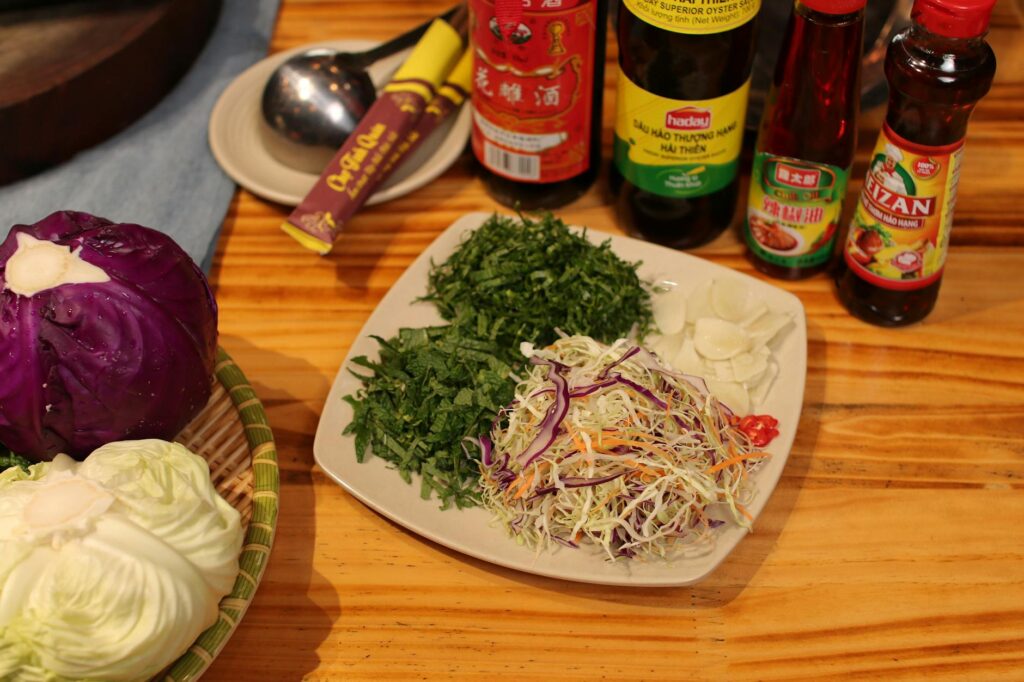
Cabbage Growing Guide Part 7
Introduction
Cabbage (Brassica oleracea) is a versatile cruciferous vegetable that has been cultivated for centuries. Its robust nature and adaptability to different climates make it a staple in many diets worldwide. This comprehensive guide delves into the intricacies of cabbage growing, from its historical roots to best practices for cultivation, quality grading, and storage. By understanding the complete lifecycle of cabbage, growers can maximize yields and ensure high-quality produce.
What Is Growing?
Growing refers to the process of cultivating plants, which encompasses various stages from seed germination to maturity. In the context of cabbage, growing involves selecting appropriate varieties, preparing the soil, managing environmental conditions, and monitoring plant health throughout its lifecycle. Successful cabbage growing not only requires knowledge of agricultural practices but also an understanding of the specific needs of the plant, including water, nutrients, and pest management.
History and Origins
Cabbage has a rich historical background, believed to have originated in Europe around 4000 years ago. Ancient Greeks and Romans valued the vegetable for its culinary and medicinal properties. It spread throughout Europe, where diverse cultivars were developed, leading to the many varieties we see today, including green, red, and savoy cabbages. The introduction of cabbage to the Americas occurred in the 16th century, where it adapted to different climates, cementing its status as a global staple.
Production and Processing
Cultivation Practices
Cabbage thrives in well-drained, fertile soil with a pH level ranging from 6.0 to 6.8. The growing season varies depending on the variety, but most cabbages are cool-season crops that prefer temperatures between 60°F and 70°F (15°C to 21°C).
1. Soil Preparation: Prior to planting, enrich the soil with organic matter, such as compost or well-rotted manure, to enhance fertility and structure. Tilling the soil to a depth of about 12 inches can improve aeration and drainage.
2. Seed Selection: Choose varieties based on desired characteristics. Early varieties, such as “Early Jersey Wakefield,” mature quickly, while late varieties, like “Savoy,” offer extended harvesting periods.
3. Seeding and Transplanting: Cabbage can be grown from seed or transplanted. Seeds are typically sown indoors 6 to 8 weeks before the last frost date. Transplant seedlings outdoors when they have at least two true leaves and the soil temperature is consistently above 50°F (10°C).
4. Spacing: Proper spacing is critical for optimal growth. Seedlings should be spaced 12 to 24 inches apart, depending on the variety, to allow for adequate air circulation and sunlight exposure.
Pest and Disease Management
Cabbage is susceptible to various pests, including aphids, cabbage worms, and flea beetles, as well as diseases like black rot and downy mildew. Integrated pest management (IPM) practices, such as crop rotation, companion planting, and the use of organic pesticides, can help mitigate these issues. Regular monitoring for signs of pests or disease will ensure timely intervention.
Harvesting
Cabbage is typically ready for harvest when the heads feel firm and dense, usually 70 to 100 days after planting. Harvesting should be done carefully, using a sharp knife to cut the head from the stem while leaving a few outer leaves intact for protection during storage.
Quality and Grading
Cabbage quality is determined by several factors, including size, color, texture, and absence of damage. Grading systems often categorize cabbage into U.S. Fancy, U.S. No. 1, and U.S. No. 2, based on the following criteria:
- U.S. Fancy: The highest quality, with a uniform size, solid heads, and vibrant color.
- U.S. No. 1: Acceptable quality, but may have minor blemishes or slight variations in size.
- U.S. No. 2: Lower quality, often used for processing rather than fresh market sales.
Proper grading ensures that consumers receive fresh and high-quality cabbage, while also maintaining market standards.
Buying Considerations
When purchasing cabbage, several factors should be taken into account:
1. Variety: Choose the appropriate variety based on intended use, whether for fresh consumption, cooking, or fermentation.
2. Freshness: Look for heads that are firm and heavy for their size, with vibrant color and crisp outer leaves. Avoid any with soft spots, discoloration, or wilting.
3. Seasonality: Cabbage is typically in season during fall and spring, although greenhouse-grown varieties may be available year-round.
4. Organic vs. Conventional: Consider whether organic certification is important to you. Organic cabbage may be less likely to contain pesticide residues but may also be more expensive.
Uses and Applications
Cabbage is a highly versatile ingredient, used in various culinary applications across different cultures. It can be consumed raw in salads, fermented into sauerkraut, or cooked in dishes such as stir-fries and soups. Its ability to absorb flavors makes it an excellent accompaniment to a wide range of proteins and seasonings.
In addition to its culinary uses, cabbage is also employed in various industrial applications, including the production of biofuels and biodegradable plastics. Its high fiber content and low-calorie profile make it a popular choice for health-conscious consumers.
Storage and Shelf Life
Proper storage is crucial for maintaining cabbage quality. Fresh heads of cabbage can be stored in the refrigerator for up to two weeks. It is best to keep them unwashed and wrapped in a damp paper towel, placed inside a plastic bag to maintain humidity. For longer storage, cabbage can be blanched and frozen