
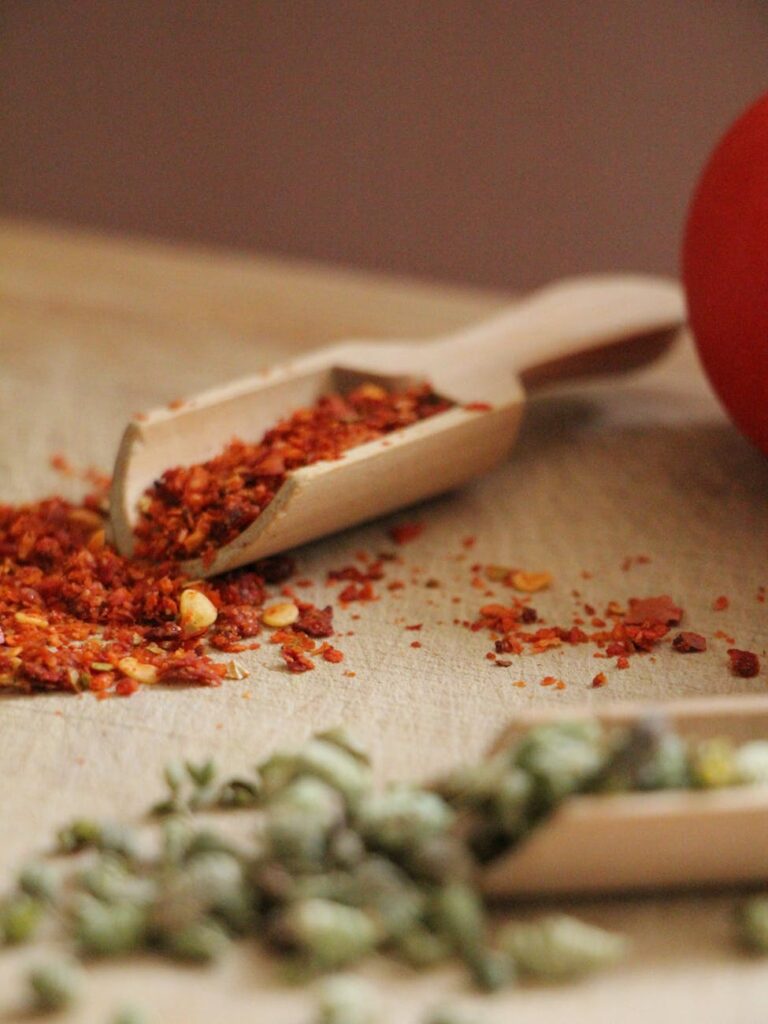
Capers Buying Guide Part 6
Introduction
Capers, the small, pickled flower buds of the caper plant (Capparis spinosa), are a staple in various culinary traditions, lauded for their unique tangy flavor and versatile applications. As an ingredient, their distinct character can elevate dishes from simple to extraordinary. This guide aims to provide comprehensive insights into the process of buying capers, covering everything from their historical significance to practical purchasing tips and storage advice.
What Is Buying?
Buying, in the context of food ingredients, refers to the process of selecting and acquiring quality products that meet specific culinary needs. This involves understanding the characteristics of the ingredient, the market options available, and making informed choices based on quality, price, and intended use. For capers, buying entails recognizing different varieties, understanding packaging, and assessing freshness.
History and Origins
Capers have a rich history that dates back thousands of years, believed to have originated in the Mediterranean region. Ancient Egyptians, Greeks, and Romans valued capers not only for their flavor but also for their supposed medicinal properties. Their use spread throughout Europe, becoming a vital component in Mediterranean cuisine. The Italian, Spanish, and French culinary traditions extensively feature capers, often pairing them with fish, pasta, and salads.
The cultivation of capers has evolved over time, with the plant thriving in arid, rocky environments. Today, countries like Italy, Spain, and Morocco are leading producers, where the buds are harvested, cured, and preserved to ensure their unique flavor profile.
Production and Processing
Capers are harvested from the caper bush, which can grow up to three feet tall. The buds are typically picked by hand during the early morning hours when they are most tender. Once collected, the capers undergo a curing process, which may involve brining or pickling in vinegar or salt. This not only preserves the buds but also enhances their flavor.
The size of the capers is influenced by the time of harvest and the curing process. Smaller capers, often referred to as “nonpareils,” are considered the finest quality and are typically more expensive. Larger capers have their own distinct taste but may lack the subtlety of their smaller counterparts.
Quality and Grading
When purchasing capers, it is essential to consider the quality and grading standards that reflect their flavor and culinary suitability. Capers are generally graded based on size, flavor intensity, and the quality of the brine or vinegar used in preservation.
- Nonpareil (00 Capers): The smallest and most prized, known for their delicate flavor.
- Capotes (0 Capers): Slightly larger, these capers offer a robust taste and are often more affordable.
- Colossal (1 Capers): The largest variety, known for their bold flavor but often considered less desirable for fine culinary applications.
- Sauces and Dressings: Capers add a zesty kick to sauces like tartar sauce and dressings such as vinaigrettes.
- Pasta Dishes: Incorporating capers in pasta sauces, particularly those featuring seafood or olive oil, adds complexity.
- Meat and Fish: Capers complement proteins beautifully, often found in dishes like piccata or as a garnish for grilled fish.
- Salads: Their sharpness contrasts well with creamy ingredients, making them a popular choice in salads.
- Tapenade: Ground capers are a key ingredient in this Mediterranean olive spread, providing depth and flavor.
- Capers Are Just Pickled Buds: While capers are indeed pickled flower buds, their unique flavor profile comes from the curing process and the type of brine used, which varies by brand.
- All Capers Are the Same: The size, quality, and origin of capers can greatly affect their taste and culinary applications. It’s essential to choose wisely based on your dish’s requirements.
- Capers Are Only Used in Mediterranean Cuisine: While they shine in Mediterranean dishes, capers can also enhance flavors in various global cuisines, including Asian and American dishes.
When assessing quality, look for capers that are firm to the touch, with a vibrant color. The brine should be clear and free from sediment, indicating proper handling and freshness.
Buying Considerations
When buying capers, several factors should guide your selection:
1. Variety: Decide between nonpareil, capotes, and colossal based on your culinary needs.
2. Packaging: Choose glass jars over cans when possible, as they allow for better preservation and visibility of the product.
3. Ingredients: Check the label for additives. High-quality capers typically contain only capers, water, and salt or vinegar.
4. Brand Reputation: Research brands known for their quality products. Established brands often have stringent quality checks.
5. Local vs. Imported: While imported capers from Mediterranean countries may offer authentic flavors, local options can also be high quality and support regional agriculture.
Uses and Applications
Capers are a versatile ingredient, enhancing a wide range of dishes. Here are some common applications:
Storage and Shelf Life
Proper storage is crucial to maintain the flavor and integrity of capers. Once opened, capers should be stored in their brine in a tightly sealed container, ideally in the refrigerator. When stored correctly, they can last for several months. Unopened jars can maintain their quality for up to two years, but it’s always advisable to check the expiration date on the label.
For long-term storage, consider freezing capers. Though their texture may change upon thawing, the flavor remains intact, making them suitable for cooked dishes.
Common Misconceptions
Despite their popularity, several misconceptions about capers persist:
Frequently Asked Questions (6 FAQs)
1. Are capers gluten