
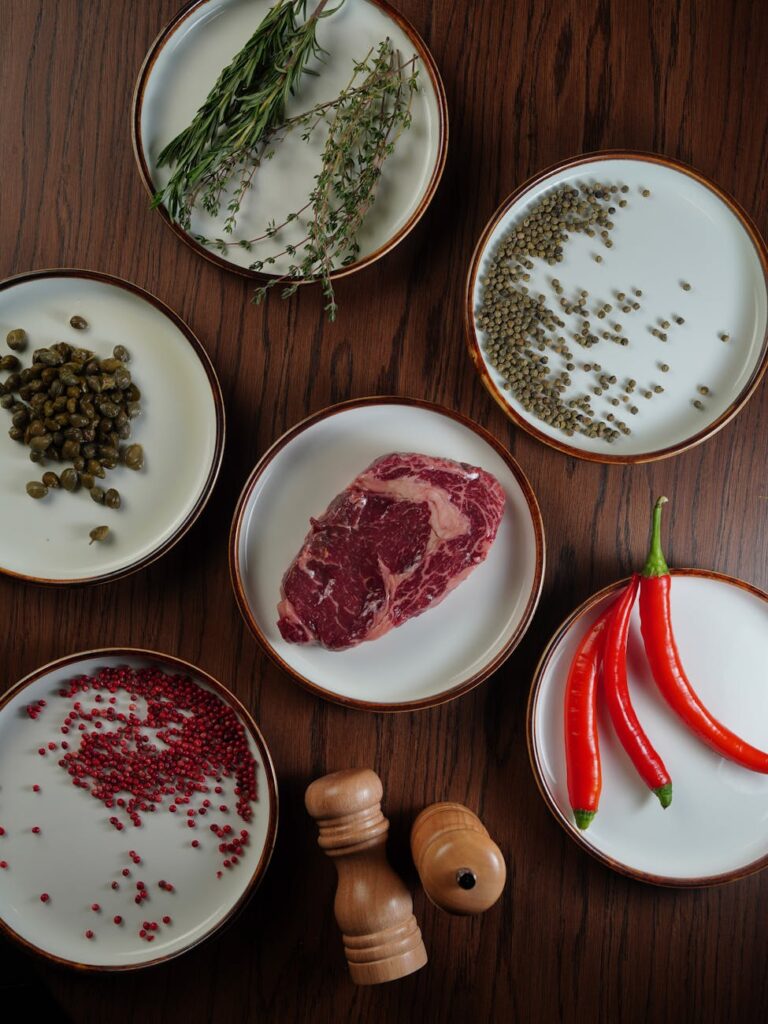
Capers FAQs Answered
Introduction
Capers are a unique and flavorful ingredient that add a distinct zest to a wide variety of dishes. Often overlooked, these small flower buds are packed with flavor and have a rich history that dates back thousands of years. This article aims to provide comprehensive insights into capers, covering everything from their origins and production methods to their culinary applications and common misconceptions.
What Is Guides?
In the context of food ingredients, “Guides” refers to comprehensive resources that offer detailed information about specific ingredients, including their characteristics, history, and best practices for use. This article serves as a guide to capers, providing an authoritative overview that can help culinary enthusiasts and professionals alike understand this intriguing ingredient better.
History and Origins
Capers come from the Capparis spinosa plant, commonly known as the caper bush. This plant is native to the Mediterranean region, thriving in rocky, arid environments. Historical records indicate that capers have been used since ancient times, with references found in Greek and Roman texts. The Greeks cherished capers as a delicacy, while the Romans used them both in culinary applications and as a medicinal remedy.
Throughout the centuries, capers spread beyond the Mediterranean, becoming popular in various cuisines around the world. They have been particularly embraced in Italian, French, and Middle Eastern cooking, where their tangy flavor complements a range of dishes.
Production and Processing
The production of capers is a meticulous process. The buds of the caper bush are harvested by hand, typically early in the morning when they are still closed. Timing is crucial; if harvested too late, the buds will bloom into flowers, losing their culinary value. Once picked, the buds are either pickled in vinegar or salt to enhance their flavor and preserve them.
The pickling process not only adds a briny taste but also extends the shelf life of capers. The quality of the pickling solution can greatly affect the final flavor profile. Different regions may have specific methods or secret ingredients that contribute to the unique taste of their capers.
Quality and Grading
Capers are graded based on several factors, including size, color, and flavor intensity. The smallest capers, known as “nonpareil,” are considered the highest quality due to their delicate flavor and tender texture. Larger capers, while still flavorful, may be categorized as “capotes” or “surfines.”
Color is another indicator of quality. High-quality capers should be a vibrant green hue, while darker or brownish capers may indicate age or inferior processing methods. Flavor intensity is subjective but is often described as tangy, salty, and somewhat floral.
When purchasing capers, look for jars or cans that are well-sealed and free from any signs of damage. The pickling liquid should be clear, and the capers should be firm to the touch.
Buying Considerations
When buying capers, consider the following factors:
1. Type: Decide between nonpareil, capotes, and surfines based on your culinary needs. Nonpareil capers are ideal for delicate sauces, while larger varieties may work well in robust dishes.
2. Packaging: Opt for capers that are stored in glass jars or cans, as these tend to preserve flavor better than plastic packaging.
3. Brine Quality: Examine the brine; high-quality capers will be submerged in a clear, flavorful liquid. Avoid those with cloudy or murky brine.
4. Organic Options: If you prefer organic products, look for certified organic capers, which are grown without synthetic pesticides or fertilizers.
5. Local vs. Imported: While Mediterranean capers are the most common, some regions produce unique varieties. Exploring local options may lead you to discover unusual flavors and culinary traditions.
Uses and Applications
Capers are versatile and can be used in a myriad of dishes. Their briny flavor enhances sauces, salads, and meats, making them a staple in Mediterranean cuisine. Here are some common applications:
- Sauces: Capers are often incorporated into sauces like puttanesca or tartar sauce, where their tanginess complements the richness of oils and other ingredients.
- Salads: They add a punch to salads, particularly those featuring fish or roasted vegetables.
- Meats: Capers pair exceptionally well with chicken, fish, and lamb, providing a bright contrast to richer flavors.
- Pasta Dishes: Incorporating capers into pasta dishes can elevate the overall flavor profile, making simple recipes more complex and satisfying.
- Bruschetta and Tapenade: Capers can be blended into spreads, offering a flavorful addition to appetizers and snacks.
Storage and Shelf Life
Proper storage is essential to maintain the flavor and quality of capers. Unopened jars of capers can be stored in a cool, dark place for several years. Once opened, capers should be refrigerated and kept submerged in their brine to prevent spoilage. Under these conditions, opened capers can last for several months.
If you notice any off-odors, discoloration, or mold, it is best to discard the capers, as these are signs of spoilage.
Common Misconceptions
Despite their popularity, several misconceptions surround capers:
1. Capers Are Flowers: While capers come from a flowering plant, they are actually the immature flower buds. The plant’s flowers are also edible but have different culinary applications.
2. Capers Are Spicy: Capers are not spicy like pepper; instead, they offer a tangy, briny flavor that can enhance dishes without adding heat.
3. All Capers Are the Same: Quality varies significantly among different types of capers. Smaller varieties, such as nonpareil, are often more sought after for their superior flavor