
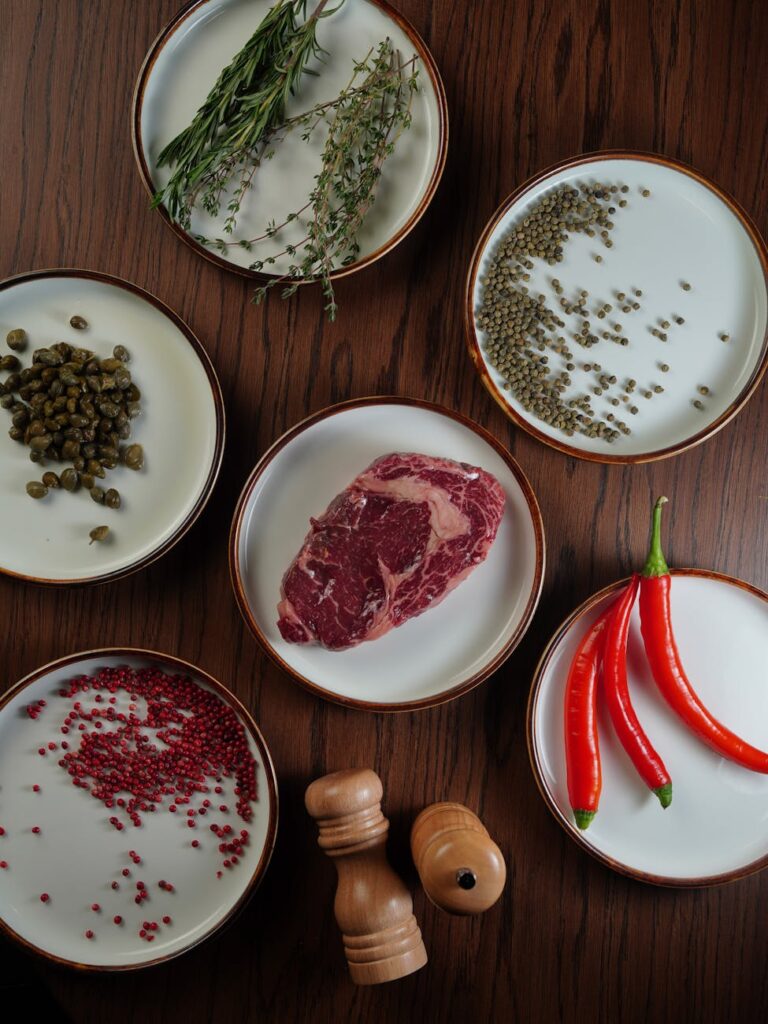
Capers Myths and Misconceptions
Introduction
Capers are small, pickled flower buds that offer a unique burst of flavor, often described as tangy and briny. While they are commonly used in Mediterranean cuisine, their culinary versatility and distinct taste have garnered attention worldwide. However, despite their popularity, misconceptions about capers abound. This article will delve into the myths surrounding capers, clarify their characteristics, and provide valuable insights into their history, production, and culinary applications.
What Is Guides?
Guides refer to a comprehensive set of resources that provide detailed information about a specific topic—in this case, capers. These guides aim to educate readers on various aspects of capers, including their origins, production methods, quality assessments, and culinary uses. By offering a structured approach to understanding capers, the guides serve as a valuable tool for both culinary professionals and home cooks.
History and Origins
Capers are believed to have originated in the Mediterranean region, where they have been used for thousands of years. Historical records suggest that capers were cultivated in ancient Greece and Rome, serving as both a culinary ingredient and a medicinal herb. In Roman cuisine, capers were highly prized, often being used to enhance the flavors of meats and fish.
Capers have also made their way into various culinary traditions around the world. They are particularly prevalent in Italian, French, and Middle Eastern dishes. The enduring popularity of capers can be attributed to their unique flavor profile and their ability to elevate dishes, making them a staple ingredient in many kitchens.
Production and Processing
The caper plant, Capparis spinosa, thrives in arid climates and rocky soils. The buds are harvested before they bloom, typically in late spring and early summer. Once collected, capers undergo a meticulous processing method.
First, the buds are cleaned and sorted according to size. The size of capers plays a crucial role in their culinary applications, as smaller capers, often referred to as “nonpareils,” are considered the most desirable due to their delicate flavor and texture. After sorting, the capers are either pickled in vinegar or brined in salt to enhance their flavor and preserve their shelf life.
Quality control is vital during this stage, as improper processing can lead to undesirable flavors or spoilage. As a result, many producers adhere to strict quality standards, ensuring that only the best capers reach the market.
Quality and Grading
Capers are graded based on size and quality, which significantly impacts their culinary use and price. The most common grading system categorizes capers into several sizes:
- Nonpareils: The smallest and most sought-after capers, typically measuring 7 mm or less.
- Capotes: Slightly larger than nonpareils, these capers range from 8 to 9 mm.
- Mammoth: These capers measure 10 mm and above, often used in dishes where their size can contribute to presentation.
- Sauces: Capers enhance sauces such as puttanesca or tartar sauce, adding a tangy note that complements rich ingredients.
- Salads: They can be sprinkled over salads to add flavor and texture, particularly in Mediterranean-style salads featuring olives, tomatoes, and feta cheese.
- Fish and Meat Dishes: Capers pair exceptionally well with fish, chicken, and lamb, often being used in recipes like piccata or as a garnish for grilled meats.
- Bruschetta and Crostini: They can be included in spreads for bruschetta or crostini, providing a burst of flavor that balances other toppings.
In addition to size, the quality of capers is assessed based on factors such as color, firmness, and overall flavor profile. High-quality capers should exhibit a bright green hue, a firm texture, and a robust, tangy flavor. Lower-quality capers may appear dull, mushy, or overly salty, indicating poor processing or storage conditions.
Buying Considerations
When purchasing capers, several factors should be considered to ensure you choose the best quality for your culinary needs. Here are some tips for selecting capers:
1. Type: Decide between brined and salted capers. Brined capers are typically milder in flavor, while salted capers offer a more concentrated taste.
2. Size: Consider the intended use. Smaller capers are ideal for sauces and garnishes, while larger capers may work well in salads or as a topping for main dishes.
3. Packaging: Look for capers packaged in glass jars, as this often indicates better quality and preservation compared to plastic containers. Ensure that the jar is sealed and free from any signs of damage.
4. Ingredients: Check the ingredient list. High-quality capers should contain only capers, vinegar, and salt, without unnecessary additives or preservatives.
5. Brand Reputation: Consider buying from reputable brands known for quality products. Researching producers or reading reviews can help in making an informed choice.
Uses and Applications
Capers are incredibly versatile and can be incorporated into a wide range of dishes. They are often used in Mediterranean cuisine, particularly in sauces, salads, and pasta dishes. Here are some common applications:
Capers can also be used creatively in modern cuisine, appearing in dressings, dips, and even desserts, showcasing their adaptability as an ingredient.
Storage and Shelf Life
Proper storage is essential for maintaining the quality of capers. Unopened jars of brined capers can typically be stored in a cool, dry place, away from direct sunlight. Once opened, they should be refrigerated and submerged in their brine or liquid to preserve flavor and prevent spoilage. Under these conditions, opened capers can last several months.
Salted capers, on the other hand, should be kept in a cool,