
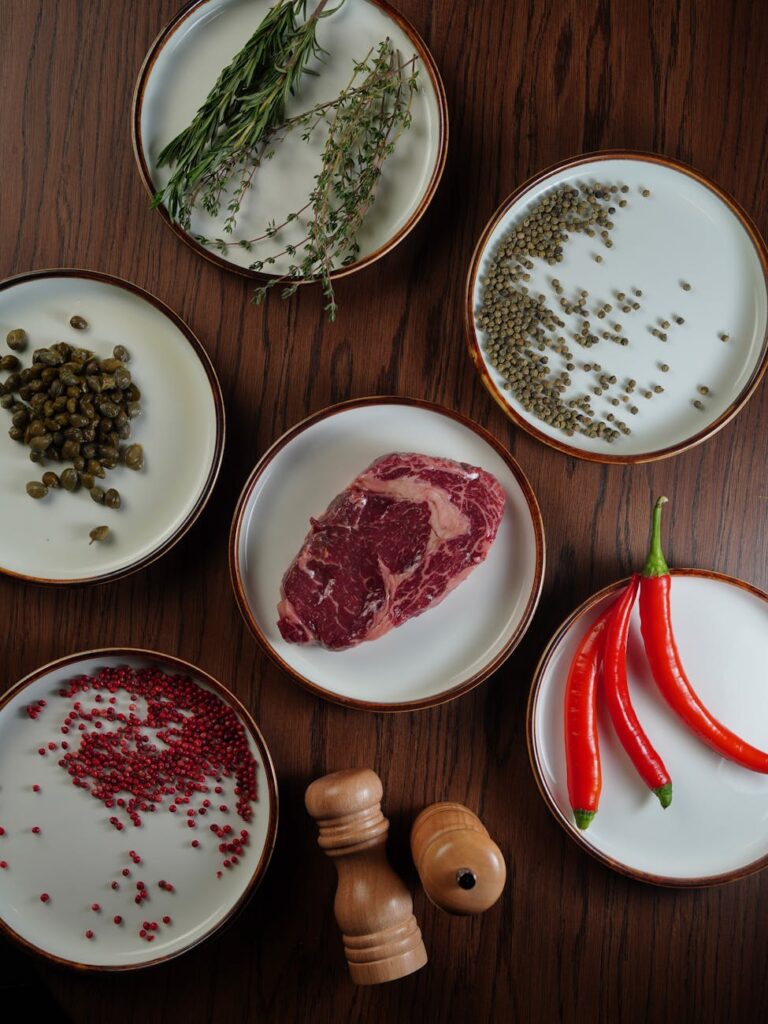
Capers: Origins and Evolution
Introduction
Capers, the small, green flower buds of the Capparis spinosa plant, are often celebrated for their unique flavor profile, adding a briny, tangy punch to various dishes. These tiny morsels have a long and storied history, treasured in culinary traditions around the world. This article delves into the origins, production, and uses of capers, shedding light on their significance in global cuisine.
What Is About?
Capers are the immature flower buds of the caper bush, primarily found in Mediterranean regions. Once harvested, these buds are typically pickled in vinegar or brine, enhancing their distinctive flavor. With their unique taste, capers serve not only as a condiment but also as a key ingredient in many dishes, elevating the overall flavor profile and offering a delightful contrast. Their applications range from enhancing sauces and dressings to adding complexity to fish and meat dishes.
History and Origins
The use of capers can be traced back to ancient civilizations. Archaeological evidence suggests they were cultivated and consumed by the Egyptians, Greeks, and Romans. Capers were often referenced in ancient texts, with the Greek philosopher Aristotle mentioning them in his writings. The Romans appreciated capers not only for their flavor but also for their supposed medicinal properties, leading to their widespread cultivation throughout the Roman Empire.
As the Roman Empire expanded, so did the popularity of capers. They found their way into various cuisines across Europe, particularly in Italy, where they became integral to dishes such as puttanesca sauce and vitello tonnato. The Mediterranean climate proved ideal for caper cultivation, leading to regions like Sicily becoming renowned for their high-quality capers.
Over the centuries, capers have maintained their status as a gourmet ingredient, often associated with Mediterranean cuisine. Their preservation methods, which began with pickling, have evolved, yet the fundamental techniques have remained largely unchanged.
Production and Processing
Capers are primarily harvested from the caper bush, which thrives in rocky, arid terrains. The harvest season typically spans from late spring to early summer when the buds are still tightly closed. Timing is crucial; harvesting too late results in flowers blooming, which diminishes the flavor and texture of the capers.
After harvesting, the capers undergo a meticulous processing procedure. They are usually rinsed to remove any dirt and impurities before being brined or pickled. The choice of brine can vary, with some producers opting for vinegar, while others use a salt-based solution. The pickling process not only preserves the buds but also enhances their distinctive flavor, allowing them to develop their characteristic tanginess.
Quality control is essential during processing. Capers are often sorted by size, with smaller buds generally being more prized for their delicate flavor. The grading process ensures that only the finest capers reach consumers.
Quality and Grading
Capers are graded based on size, firmness, and flavor. The smallest capers, often referred to as “nonpareil,” are considered the highest quality and are sought after by chefs and culinary enthusiasts. Larger capers, while still flavorful, may not deliver the same intensity in dishes.
Quality can also be affected by the pickling process. Capers preserved in high-quality vinegar or brine tend to have a more complex flavor profile compared to those processed with lower-grade ingredients. Consumers should look for capers that are firm to the touch and have a vibrant color, indicating freshness and quality.
In addition to size and firmness, the packaging can also provide insights into the quality. Capers sold in glass jars or cans should have a clear brine that showcases the product, while bulk packaged capers should be inspected for any signs of discoloration or spoilage.
Buying Considerations
When purchasing capers, several factors should be considered to ensure optimal flavor and quality. First and foremost, consumers should look for capers labeled as “nonpareil” for the finest quality. Additionally, it’s advisable to choose capers packed in brine rather than those in dry salt, as the brine preserves their flavor and moisture.
Label information is crucial; opting for capers that indicate no artificial preservatives or additives is ideal. The origin of the capers can also provide insight into their quality, with those sourced from Mediterranean regions often regarded as superior due to the ideal growing conditions.
For those interested in sustainability, seeking capers from reputable brands that prioritize environmentally friendly harvesting practices is recommended. This not only supports ethical sourcing but also contributes to the preservation of caper bush habitats.
Uses and Applications
Capers are incredibly versatile and can enhance a wide array of dishes. In Mediterranean cuisine, they are often used in pasta sauces, salad dressings, and as a garnish for fish. Their briny flavor complements rich ingredients, making them a popular addition to dishes like chicken piccata and tapenade.
In addition to savory applications, capers can also add complexity to vegetable dishes. They pair well with roasted vegetables and can be incorporated into dips and spreads. For those experimenting with fusion cuisine, capers can add a surprising twist to non-Mediterranean dishes, providing a burst of flavor that elevates the overall profile.
Capers are frequently used in appetizers, such as antipasto platters, where they serve as a flavorful counterpoint to cheeses and cured meats. Their unique taste also makes them an excellent complement to pickled vegetables or relishes.
Storage and Shelf Life
Proper storage of capers is essential to maintain their flavor and quality. Unopened jars or cans of capers can typically last for several years when stored in a cool, dark place. Once opened, capers should be stored in the refrigerator, submerged in their brine, to preserve their freshness. Under these conditions, opened capers can last for several months.
If capers are stored dry, they should be kept in an airtight container in a cool, dark place. However,