
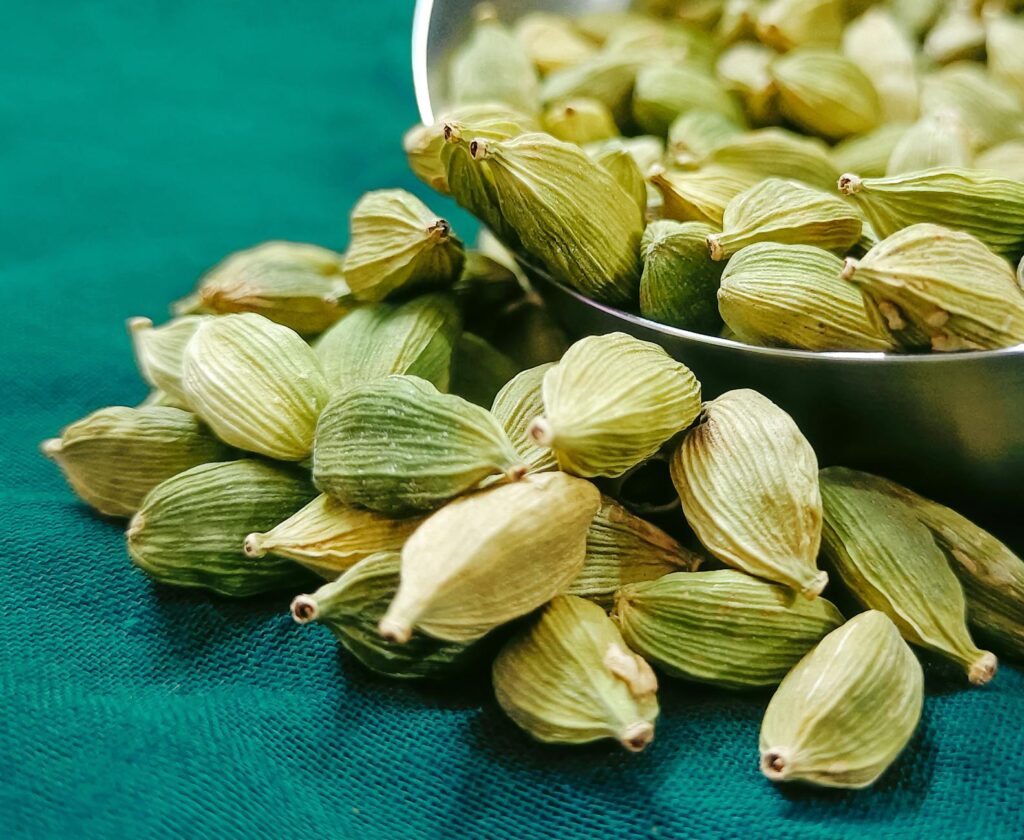
Cardamom About Guide Part 7
Introduction
Cardamom, often referred to as the “queen of spices,” is a versatile and aromatic ingredient that has captivated culinary enthusiasts and chefs alike for centuries. Known for its complex flavor profile and various uses, cardamom is not merely a spice but a vital component in many global cuisines. This guide delves into the multifaceted world of cardamom, exploring its history, production, quality considerations, and applications.
What Is Cardamom?
Cardamom is derived from the seeds of several plants in the Zingiberaceae family, primarily from two species: Elettaria cardamomum, commonly known as green cardamom, and Amomum subulatum, known as black cardamom. The spice is celebrated for its unique flavor, which blends sweet, spicy, and herbal notes. Green cardamom is predominantly used in both sweet and savory dishes, while black cardamom has a more robust, smoky flavor and is typically used in hearty recipes.
History and Origins
The use of cardamom dates back thousands of years, with its origins traced to the Indian subcontinent and parts of the Middle East. Ancient Egyptians utilized cardamom in their embalming processes, and it was highly valued for its aromatic qualities. The spice made its way to Europe via trade routes, where it became a coveted item during the Middle Ages. By the 16th century, cardamom was being cultivated in various tropical regions, including Guatemala, which now ranks among the largest producers. Its rich history reflects a blend of cultural significance and culinary versatility, making cardamom an integral part of global gastronomy.
Production and Processing
Cardamom cultivation requires specific climatic conditions, thriving best in tropical and subtropical environments with ample rainfall and shaded areas. The plants grow to about 2-4 meters in height, and the pods are harvested by hand when they are ripe. The harvesting process is labor-intensive, as the pods are picked and then dried to enhance their flavor.
Once harvested, cardamom pods undergo a meticulous processing stage. They are typically dried in the shade to prevent loss of essential oils, which are crucial for flavor. The drying process can take several days, and care must be taken to avoid excess sunlight, which can degrade the quality of the spice. After drying, the pods can be sold whole or ground into powder, depending on market demand.
Quality and Grading
The quality of cardamom is determined by several factors, including the size, color, aroma, and flavor profile of the pods. In the market, cardamom is often graded based on these characteristics.
Grades of Cardamom
1. Green Cardamom: The highest grade, characterized by a vibrant green color, aromatic fragrance, and sweet-spicy flavor.
2. Black Cardamom: Typically larger and darker, this grade has a smoky flavor due to the drying process, making it suitable for specific culinary applications.
3. White Cardamom: This is essentially bleached green cardamom, often used in certain regional dishes but considered lower in quality due to the loss of essential oils.
The grading system varies by region, and buyers should look for reputable sources that provide information on the origin and grading of their cardamom.
Buying Considerations
When purchasing cardamom, several factors should be considered to ensure quality and authenticity.
Whole Pods vs. Ground
While ground cardamom is convenient, whole pods retain their flavor for longer periods. It is advisable to buy whole pods and grind them as needed to preserve their aromatic qualities.
Source and Origin
Understanding the source of your cardamom is crucial. Regions like Guatemala, Sri Lanka, and India are known for high-quality cardamom. Look for products that specify their origin, as this often correlates with flavor and quality.
Packaging
Opt for cardamom that is packaged in airtight containers to prevent moisture and air exposure, which can diminish flavor. Transparent packaging can be tempting, but it often exposes the spice to light, which can degrade its quality.
Uses and Applications
Cardamom’s unique flavor profile allows it to be used in a variety of culinary applications.
Culinary Uses
- Savory Dishes: Cardamom is widely used in curries, stews, and rice dishes, particularly in Indian and Middle Eastern cuisines.
- Beverages: It is a popular ingredient in chai tea and can be found in various coffee blends, especially in Scandinavian countries.
- Baked Goods: Cardamom is often used in pastries, breads, and cookies, adding a warm, aromatic flavor.
- Desserts: The spice can enhance sweet dishes, such as rice pudding and fruit salads, adding a sophisticated twist.
- Whole Pods: Store in an airtight container in a cool, dark place. Whole pods can last up to four years if stored properly.
- Ground Cardamom: This has a shorter shelf life, typically around six months to one year. It should also be kept in an airtight container away from light and moisture.
Non-Culinary Uses
Beyond the kitchen, cardamom is utilized in the perfume industry due to its aromatic properties. It also finds its way into traditional practices, such as incense and essential oils, where its fragrance is cherished.
Storage and Shelf Life
To maintain cardamom’s flavor and aroma, proper storage is essential.
Storage Tips
Regular checks for signs of loss in aroma or flavor can help determine if cardamom is still viable for use.
Common Misconceptions
Despite its popularity, several misconceptions about cardamom persist.
Myth: All Cardamom is the Same
While many people may think of cardamom as a singular spice, the differences