
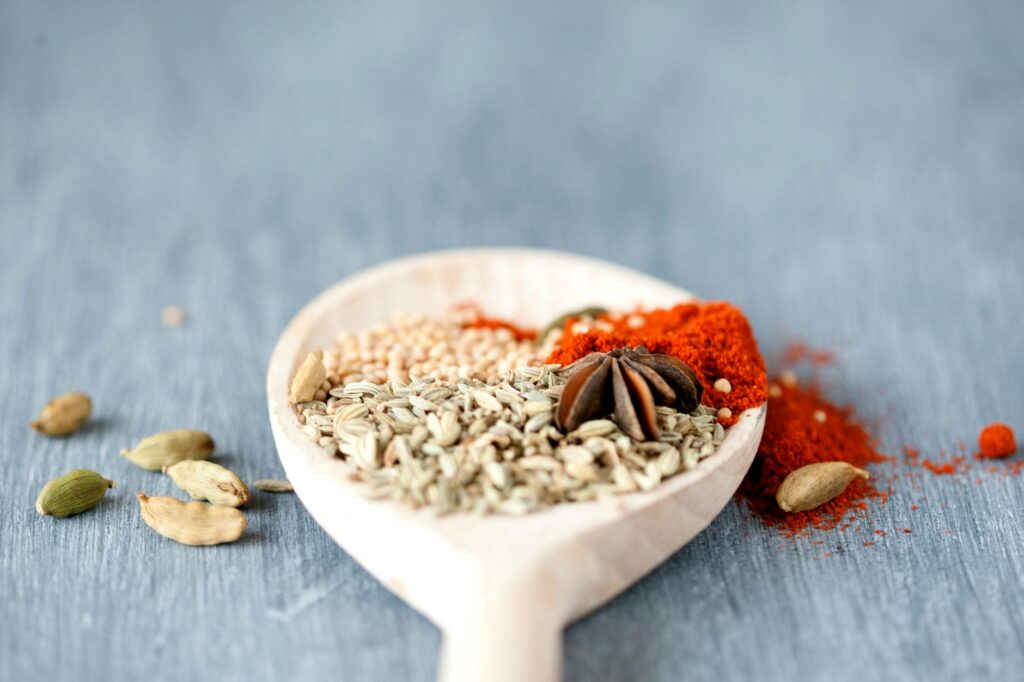
Cardamom Cultivation Explained
Introduction
Cardamom, often referred to as the “queen of spices,” is a highly valued ingredient in culinary and medicinal practices around the globe. Its unique flavor profile, characterized by a complex blend of sweet, spicy, and aromatic notes, makes it a sought-after spice in both sweet and savory dishes. However, the journey from seed to spice is intricate and requires a deep understanding of its cultivation. This article delves into the nuances of cardamom cultivation, exploring the history, production methods, and various aspects that influence its quality and applications.
What Is Growing?
Growing, in the context of cardamom cultivation, refers to the entire process of planting, nurturing, and harvesting the plant. This process is multifaceted, encompassing several stages including site selection, soil preparation, planting, irrigation, pest management, and harvesting. Successful cultivation depends on various environmental factors, such as climate, soil type, and care practices, which must be meticulously managed to yield high-quality cardamom pods.
History and Origins
Cardamom has a rich history that dates back thousands of years. Originally native to the tropical forests of the Western Ghats in India, it has been cultivated for over 3,000 years. Ancient civilizations, including the Egyptians, used cardamom for both culinary purposes and medicinal applications. It was highly valued in trade and was even one of the spices that piqued the interest of explorers during the Age of Discovery.
The spice gained prominence in various cultures, especially in Indian, Middle Eastern, and Scandinavian cuisines. Today, major producers of cardamom include India, Guatemala, Sri Lanka, and Tanzania, each contributing unique flavor profiles to the spice based on local growing conditions and cultivation practices.
Production and Processing
Cultivation Practices
Cardamom thrives in humid, tropical climates with temperatures ranging from 18°C to 30°C (64°F to 86°F). The plant prefers well-drained, loamy soils rich in organic matter. Land preparation involves clearing the area of weeds and debris, followed by soil enrichment with compost or well-rotted manure to enhance fertility.
Planting
Cardamom is typically propagated through seeds or rhizomes. Seeds are planted in nurseries and later transplanted to the main field when they reach a suitable size. The spacing between plants is crucial; adequate distance helps reduce competition for nutrients and light. Generally, a spacing of 1.5 to 2 meters between plants is recommended.
Irrigation
Consistent moisture is vital for cardamom growth, especially during its initial stages. Drip irrigation is commonly employed to ensure efficient water use without waterlogging the roots. Overhead irrigation can also be used, but care must be taken to avoid fungal diseases that arise from excess moisture.
Pest and Disease Management
Cardamom is susceptible to various pests and diseases, including the cardamom weevil and leaf spot diseases. Integrated pest management (IPM) strategies are employed to control these threats, utilizing biological controls and natural pesticides whenever possible. Regular monitoring and timely interventions are essential to maintaining healthy plants.
Harvesting
The harvesting of cardamom pods typically occurs once they reach maturity, indicated by a change in color to a yellowish-green. Manual harvesting is common, as it allows for careful selection and minimizes damage to the plants. After harvesting, the pods are quickly dried in the sun to preserve their essential oils and flavor.
Quality and Grading
The quality of cardamom is determined by several factors, including size, color, aroma, and moisture content. The grading system varies by region, but generally, cardamom is classified into three main grades:
1. Grade I: Large, well-formed pods with a high oil content and vibrant green color.
2. Grade II: Medium-sized pods that are still aromatic but may have minor defects.
3. Grade III: Small or damaged pods, often used for powdered cardamom or other processed forms.
Quality control during processing is essential to maintain the spice’s premium status in the market. Proper drying techniques and storage conditions significantly influence the final product’s quality.
Buying Considerations
When purchasing cardamom, several factors should be taken into account to ensure you are getting a high-quality product:
1. Type: There are two main types of cardamom—green and black. Green cardamom is more commonly used in cooking, while black cardamom has a smokier flavor and is less frequently utilized.
2. Form: Cardamom is available whole, as pods, or ground into powder. Whole pods retain flavor better than ground forms, which can lose potency over time.
3. Origin: The region of cultivation affects the flavor profile of cardamom. Cardamom from India is often considered the finest, but high-quality products from Guatemala and Sri Lanka also exist.
4. Freshness: Check the packaging for harvest dates and expiration dates. Fresh cardamom has a more intense aroma and flavor.
5. Organic Certification: If possible, opt for organic cardamom, as it is grown without synthetic pesticides and fertilizers, making it a more environmentally friendly choice.
Uses and Applications
Cardamom is a versatile spice with a broad range of culinary and non-culinary applications.
Culinary Uses
In culinary contexts, cardamom is used in both sweet and savory dishes. It is a key ingredient in spice blends such as garam masala and chai tea, contributing warmth and complexity. In Scandinavian countries, cardamom is often found in baked goods, adding a unique flavor to pastries and breads.
Beverage Applications
Cardamom is also popular in beverages, enhancing the flavor of coffee, tea, and even cocktails. Its aromatic qualities can elevate drinks, making them more appealing and sophisticated.
Non-Culinary Uses
Beyond cooking, cardamom has applications in cosmetics and perfumery due to its fragrant properties. It is also utilized in the production of essential oils and as a flavoring agent in various products, including chewing gum and confectionery.
Storage and Shelf Life
Proper storage is crucial for maintaining cardamom’s flavor and quality. Whole pods should be kept in a cool, dark place in an airtight container to protect them from moisture and light. Under optimal conditions, whole cardamom can last for up to two years, while ground cardamom typically has a shorter shelf life of six months to one year.
It is advisable to avoid purchasing large quantities of ground cardamom, as it can quickly lose its potency. In contrast, whole pods can be ground as needed, ensuring maximum freshness.
Common Misconceptions
Despite its popularity, several misconceptions about cardamom persist:
1. Cardamom is the same as allspice: While both spices share warm, aromatic qualities, they are distinct and come from different plants.
2. Cardamom is only used in Indian cuisine: Although it is prevalent in Indian cooking, cardamom is also a staple in Middle Eastern, Scandinavian, and Southeast Asian cuisines.
3. All cardamom is green: While green cardamom is the most recognized, black cardamom is also widely used and has a different flavor profile.
4. Ground cardamom is superior to whole pods: Whole pods typically provide a more robust flavor and aroma, making them preferable for many culinary applications.
Frequently Asked Questions
1. What is the difference between green and black cardamom?
Green cardamom has a sweet, floral flavor, while black cardamom has a smoky, earthy taste. They are used in different culinary contexts and should not be used interchangeably.
2. How can I tell if cardamom is fresh?
Fresh cardamom has a strong, aromatic scent. If the pods are dull or lack fragrance, they may be stale.
3. Can cardamom be grown at home?
Yes, cardamom can be grown in pots at home, provided the conditions mimic its native tropical environment—high humidity, warmth, and well-drained soil.
4. Is cardamom a sustainable crop?
Sustainable practices can be employed in cardamom cultivation, such as organic farming methods, which help preserve biodiversity and reduce chemical use.
5. How should cardamom pods be prepared for cooking?
Whole pods can be lightly crushed to release their flavor or added directly to dishes. They can also be ground into powder for baking or seasoning.
6. Can I use expired cardamom?
While expired cardamom may not be harmful, its flavor and aroma will likely be diminished, affecting the quality of your dishes.
Conclusion
The cultivation of cardamom is a complex yet rewarding endeavor that requires a careful balance of various agricultural practices. Understanding its history, quality indicators, and proper storage methods can enhance its use in culinary applications. As cardamom continues to gain popularity worldwide, appreciating the intricacies of its cultivation can deepen our appreciation for this remarkable spice. Whether you’re a home cook or a culinary professional, incorporating high-quality cardamom into your pantry will undoubtedly elevate your culinary creations.