
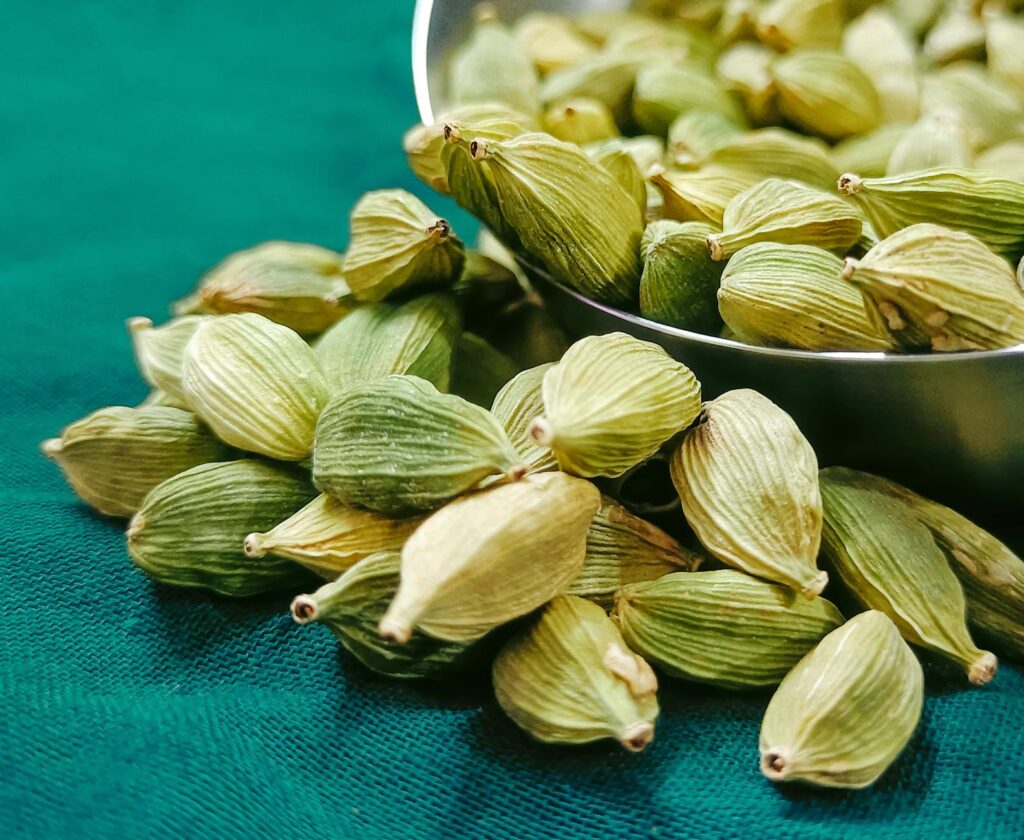
Cardamom Growing Guide Part 6
Introduction
Cardamom, often referred to as the “queen of spices,” holds a significant place in global culinary traditions due to its unique flavor and aromatic properties. As a key ingredient in both sweet and savory dishes, its demand has spurred interest not just in culinary applications but also in its cultivation. This guide delves into the intricacies of growing cardamom, covering essential aspects from its historical roots to production practices, quality assessment, and more.
What Is Growing?
Growing, in the context of cardamom, refers to the entire process of cultivating this spice from seed to harvest. This includes understanding the specific environmental conditions required for optimal growth, the horticultural practices needed throughout its life cycle, and the steps involved in harvesting and processing the pods for consumption.
Cardamom thrives in tropical climates with consistent moisture and specific soil conditions, making it necessary for growers to replicate these environments as closely as possible. Understanding the nuances of growing cardamom is essential for maximizing yield, ensuring high-quality produce, and sustaining the plant’s health over time.
History and Origins
Cardamom has a rich history that dates back thousands of years. Native to the lush forests of India, it has been used in culinary and medicinal practices across cultures. Ancient civilizations, such as the Egyptians, utilized cardamom for its aromatic qualities in perfumes and embalming. The spice was also a significant component of trade routes, garnering immense value in both ancient Greece and Rome.
In India, cardamom is mentioned in ancient texts, signifying its importance in traditional cuisine. Its cultivation spread to various parts of Asia and eventually to the Middle East and Europe. Today, Guatemala is one of the largest producers of cardamom outside of its native India, showcasing the spice’s global agricultural significance.
Production and Processing
Cultivation Requirements
Cardamom grows best in humid, tropical climates with average temperatures ranging from 20°C to 35°C (68°F to 95°F). It prefers well-drained, loamy soil rich in organic matter and requires partial shade, which mimics its natural forest habitat.
Planting
Seeds should be planted during the warm, wet season. They can be sown directly into the soil or started in a nursery and transplanted later. For optimal germination, seeds should be soaked in water for 24 hours prior to planting.
Maintenance
Regular watering is crucial. Cardamom plants need consistent moisture but should not be waterlogged. Mulching can help retain soil moisture and suppress weeds. Fertilization with organic compost and balanced fertilizers supports healthy growth, while pest and disease management is vital for safeguarding the plants.
Harvesting
Cardamom is typically harvested once the pods have changed from green to yellowish-brown, indicating ripeness. Harvesting is labor-intensive, as pods must be picked by hand to avoid damaging the plant.
Processing
Post-harvest, cardamom pods are cleaned, dried, and occasionally subjected to a steaming process to enhance flavor and color. Proper processing is essential to maintain the spice’s quality and aromatic properties.
Quality and Grading
Quality assessment of cardamom involves several factors, including size, color, aroma, and moisture content. The grading system typically categorizes cardamom into different classes based on these criteria.
Size and Appearance
Larger pods, often referred to as “class one,” are preferred for their superior flavor and aroma. The color should be a vibrant green, indicating freshness.
Aroma and Flavor Profile
The aromatic quality is perhaps the most critical factor in grading cardamom. High-quality cardamom emits a strong, pleasant fragrance, which can be diminished in lower-grade products.
Moisture Content
Moisture content is a vital quality indicator, as excessive moisture can lead to mold growth and spoilage. Ideally, cardamom should contain less than 12% moisture for optimal preservation.
Buying Considerations
When purchasing cardamom, several factors should be taken into consideration to ensure quality and authenticity:
- Form: Whole pods retain flavor longer than ground cardamom. If possible, opt for whole pods and grind them as needed.
- Origin: Authentic Indian or Guatemalan cardamom is often preferred due to its historical quality and flavor profiles.
- Packaging: Ensure that cardamom is stored in airtight, opaque containers to protect it from light and moisture.
- Certification: Look for certified organic options to ensure that the product has been cultivated without synthetic pesticides or fertilizers.
- Savory Dishes: It is a key ingredient in spice blends like garam masala and is often used in curry dishes, rice preparations, and stews.
- Sweet Dishes: In desserts, cardamom adds a warm, aromatic note to cakes, pastries, and beverages like chai.
- Beverages: Its inclusion in teas, coffees, and even cocktails enhances the drink’s overall flavor profile.
Uses and Applications
Cardamom serves various culinary purposes across different cuisines:
Beyond culinary uses, cardamom is also valued for its aromatic properties in perfumes and natural cosmetics.
Storage and Shelf Life
To maintain the freshness and potency of cardamom, proper storage is essential. Whole pods should be kept in a cool, dark place in airtight containers, away from direct sunlight and moisture. When stored correctly, whole cardamom can last for up to four years, while ground cardamom may lose its potency within six months to a year.
Common Misconceptions
Myth: Cardamom is only used in Indian cuisine.
While cardamom is indeed a staple in Indian cooking, it is also prevalent in Middle Eastern, Scandinavian, and even some Asian cuisines. Its versatility extends beyond regional boundaries.