
Cardamom: Origins and Evolution
Introduction
Cardamom, often referred to as the “queen of spices,” is a highly valued and aromatic spice that has captivated the culinary world for centuries. Known for its distinctive flavor and fragrance, cardamom is used in a variety of cuisines across the globe, enriching both savory and sweet dishes. Beyond its culinary uses, cardamom holds a significant place in cultural and historical contexts, with a rich narrative that spans continents and centuries. This article delves into the origins, historical significance, production, and various facets of cardamom, presenting a comprehensive overview of this remarkable spice.
What Is Cardamom?
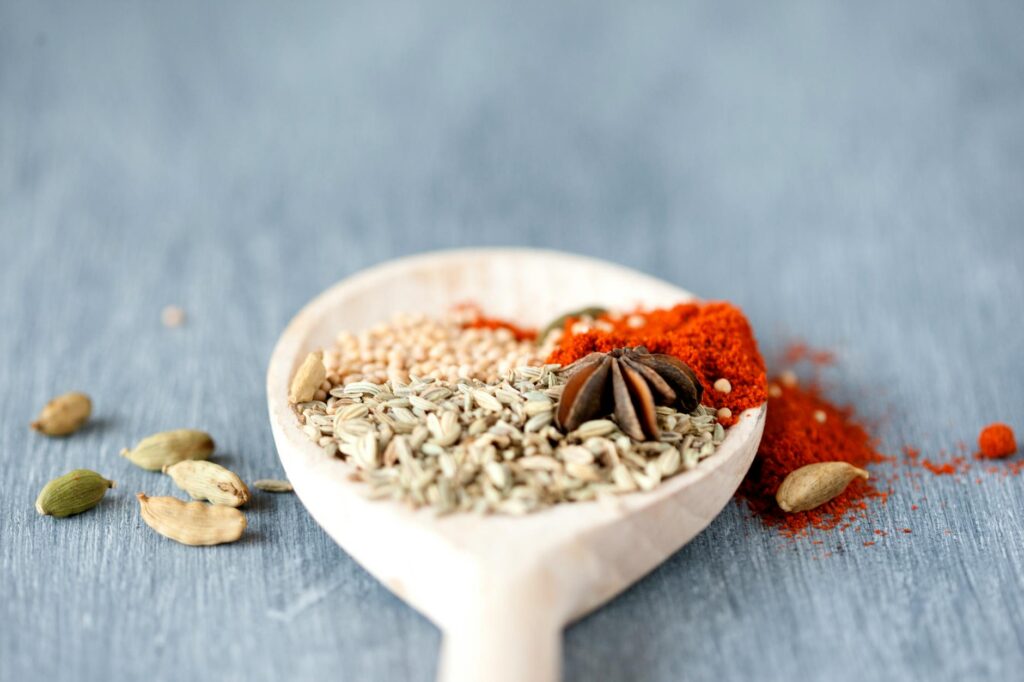
Cardamom is derived from the seeds of several plants in the family Zingiberaceae, primarily from the genera Elettaria and Amomum. The two most commonly used varieties are green cardamom (Elettaria cardamomum) and black cardamom (Amomum subulatum). Green cardamom is characterized by its sweet, floral aroma, while black cardamom has a more robust, smoky flavor profile. Cardamom seeds are encased in pods, which can be used whole or ground into a fine powder for culinary applications.
History and Origins
The history of cardamom is as fragrant as the spice itself. Its origins can be traced back to the lush forests of the Western Ghats in India, where it has been cultivated for over 4,000 years. Ancient texts, including the Indian Ayurvedic texts, highlight cardamom’s significance as both a culinary spice and a medicinal herb.
The spice soon made its way to the ancient Mediterranean world, where it was highly prized by the Egyptians, Greeks, and Romans. It was used not only in cooking but also as a perfume and in religious rituals. The spice was so valuable that it was often used as currency and was included among the spices sought after by explorers and traders.
By the Middle Ages, cardamom had become a staple in European kitchens, especially in Scandinavia, where it was incorporated into sweet breads and pastries. The spice’s journey continued through trade routes, influencing cuisines in the Middle East, Asia, and beyond. The spice’s adaptability and allure ensured its survival and evolution through various cultural contexts.
Production and Processing
Today, cardamom is primarily produced in India, Guatemala, and Sri Lanka, with India being the largest producer and exporter. The cultivation of cardamom requires specific climatic conditions—tropical and subtropical climates with well-drained, rich soils. The plants thrive in shaded areas, often under the canopy of taller trees.
The harvesting of cardamom is labor-intensive. The pods are typically handpicked when they are still green, as this is when they contain the highest concentration of essential oils. After harvesting, the pods undergo a drying process to enhance their flavor and shelf life. Drying can be accomplished through sun drying or using specialized drying machines, both of which help to preserve the essential oils responsible for cardamom’s distinct aroma.
Once dried, the pods can be sold whole, or the seeds can be extracted and ground into powder. The processing methods employed can significantly influence the spice’s flavor profile, making the production techniques crucial for maintaining quality.
Quality and Grading
Cardamom quality is assessed based on several factors, including pod size, color, aroma, and essential oil content. The grading system varies by region, but generally, higher-quality cardamom features larger pods that are plump and green, indicative of freshness.
In India, for instance, cardamom is graded into different categories:
- Grade I: The highest quality, with large, intact pods that have a strong aroma.
- Grade II: Slightly smaller pods, often with minor blemishes.
- Grade III: Lower quality, with smaller pods and a less intense aroma.
- Green cardamom has a sweet, floral flavor, while black cardamom is smoky and robust. They are used in different types of dishes.
- Whole pods can be crushed before adding to dishes or used in infusions to extract their flavor.
- Yes, cardamom is typically available year-round, but its peak season is usually from September to December.
- Use a mortar and pestle or a spice grinder. Grinding in small batches helps maintain freshness.
- While there is no perfect substitute, cinnamon or nutmeg can be used as alternatives, though the flavor profile will differ.
- If cardamom has lost its aromatic scent or has developed a stale or off odor, it is likely no longer fresh.
Quality assurance is paramount in the cardamom industry as it directly affects market value. The spice is often subject to testing for essential oil content, which is a key indicator of its flavor potency.
Buying Considerations
When purchasing cardamom, consumers should consider several factors to ensure they are selecting high-quality products.
1. Form: Whole pods retain their freshness and flavor longer than ground cardamom. If possible, choose whole pods and grind them as needed.
2. Appearance: High-quality green cardamom pods should be vibrant in color, plump, and free from any signs of mold or damage. Black cardamom should also be robust and aromatic.
3. Origin: Knowing the source of cardamom can provide insights into its quality. Indian cardamom, for instance, is often regarded as superior due to favorable growing conditions.
4. Packaging: Opt for cardamom that is packaged in airtight containers to preserve its flavor and aroma. Avoid products that are sold in bulk bins, as they may have been exposed to light and air, diminishing their quality.
5. Aroma: If possible, smell the cardamom before purchasing. A strong, fragrant aroma indicates freshness and quality.
Uses and Applications
Cardamom’s versatility makes it a valuable ingredient in a wide range of culinary applications. It is frequently used in both savory and sweet dishes, lending its unique flavor to curries, stews, rice dishes, and desserts.
1. Savory Dishes: In Indian cuisine, cardamom is a key ingredient in garam masala and biryani, enhancing the depth of flavor in these iconic dishes. It is also used in Middle Eastern cooking, often paired with meats and vegetables.
2. Beverages: Cardamom is a popular addition to chai tea, lending a warm spiciness that complements the tea’s flavor. It is also used in coffee in some cultures, particularly in the Middle East.
3. Baking: The spice is frequently employed in baked goods, such as cakes, cookies, and bread, where its sweet and aromatic qualities shine through.
4. Global Dishes: Cardamom has transcended cultural boundaries, finding its way into Scandinavian pastries, Turkish delight, and even some Western desserts.
Storage and Shelf Life
Proper storage is vital to maintain cardamom’s flavor and aroma. Whole pods should be kept in a cool, dry place, preferably in an airtight container away from direct sunlight. Under these conditions, whole cardamom can last for up to three years.
Ground cardamom has a significantly shorter shelf life, typically lasting about six months to a year before its flavor diminishes. For optimal freshness, it is advisable to grind cardamom seeds just before use.
Common Misconceptions
Despite its popularity, several misconceptions about cardamom persist:
1. All Cardamom is the Same: There are different varieties of cardamom, each with distinct flavors and uses. Green and black cardamom are often confused, but they serve different culinary purposes.
2. Ground Cardamom is Better: While ground cardamom is convenient, whole pods maintain flavor integrity longer, making them preferable for storage and fresh use.
3. Cardamom is Just for Indian Cuisine: Cardamom is utilized in various global cuisines, from Middle Eastern dishes to Scandinavian pastries, highlighting its versatility.
4. Cardamom is Just a Flavoring: Beyond flavor, cardamom is also valued for its aromatic qualities and has historical significance as a commodity in trade.
Frequently Asked Questions
1. What is the difference between green and black cardamom?
2. How do I use whole cardamom pods?
3. Is cardamom available year-round?
4. What is the best way to grind cardamom seeds?
5. Can I substitute cardamom in recipes?
6. How can I tell if cardamom has gone bad?
In conclusion, cardamom’s rich history, diverse uses, and unique characteristics make it one of the most cherished spices worldwide. Whether enjoyed in a fragrant curry, a comforting cup of chai, or a delicate pastry, its enduring appeal continues to captivate palates across cultures and generations. Understanding the origins and evolution of cardamom not only enhances our appreciation for this spice but also connects us to the time-honored traditions of those who have cultivated and celebrated it throughout history.