
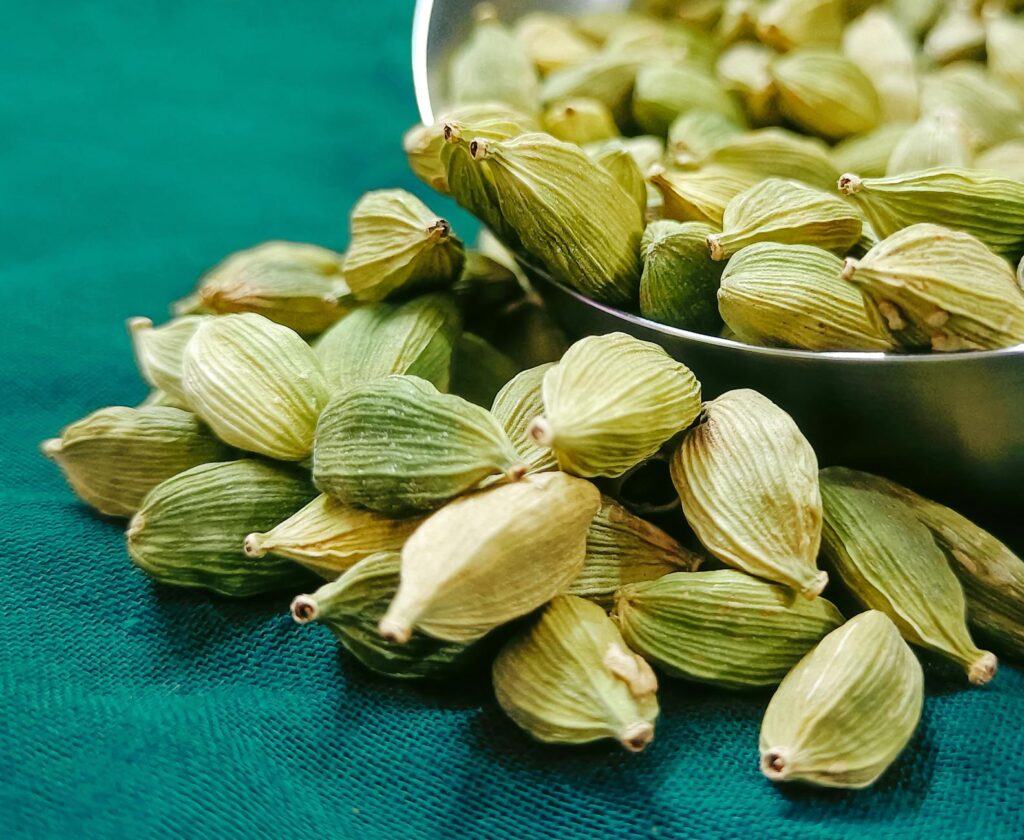
Cardamom Regions Guide Part 6
Introduction
Cardamom, often referred to as the “queen of spices,” is renowned for its complex flavor profile and aromatic qualities. It is a vital ingredient in various culinary traditions around the globe, cherished for its versatility in both sweet and savory dishes. Understanding the regions where cardamom is cultivated enhances our appreciation for this unique spice and its diverse applications. This article will explore the regions involved in cardamom production, shedding light on their historical significance, cultivation practices, quality standards, and much more.
What Is Regions?
In the context of cardamom, “regions” refers to the various geographical areas around the world where cardamom is cultivated. Each of these regions has distinct climate conditions, soil types, and cultural practices that influence the flavor and quality of the cardamom produced. The most noted cardamom regions include India, Guatemala, Sri Lanka, and Tanzania, among others. Each of these regions contributes uniquely to the global cardamom market, shaped by local farming techniques and traditions.
History and Origins
Cardamom has a rich and storied history that dates back over 4,000 years. Originally indigenous to the forests of the Western Ghats in India, it was highly valued by ancient civilizations, including the Egyptians, who used it in perfumes and embalming practices. The spice found its way into Greek and Roman cuisines, becoming a symbol of luxury and wealth.
During the spice trade era, cardamom was transported along trade routes to various parts of the world, including the Middle East and Europe. By the 19th century, its cultivation had expanded to regions such as Guatemala, where it was introduced as a cash crop. Today, while India remains the largest producer, Guatemala has emerged as a significant player in the global cardamom market.
Production and Processing
Cultivation
The cultivation of cardamom is a labor-intensive process that requires specific climatic conditions. Cardamom thrives in tropical and subtropical environments, typically growing best at altitudes between 600 and 1,200 meters. The plants prefer shaded areas with well-drained, loamy soil rich in organic matter.
Harvesting
The harvesting of cardamom pods is primarily manual. Farmers wait until the pods are fully mature but not overripe; this is crucial for optimal flavor. Once harvested, the pods are quickly processed to prevent spoilage, typically within 24 hours.
Processing
Processing involves several steps, including drying and sorting. The freshly harvested pods are blanched in hot water to maintain their vibrant color and then dried under controlled conditions. Proper drying is essential to enhance the aromatic compounds within the pods. The dried pods are then sorted based on size and quality before being packaged for sale.
Quality and Grading
The quality of cardamom is determined by various factors, including pod size, color, and aroma. Grading systems may vary by region but generally categorize cardamom into different quality levels. For instance, Indian cardamom is often graded based on its size, with larger pods being more desirable.
1. Grade A: The highest quality, with large, green pods and a strong aroma.
2. Grade B: Slightly smaller pods with less intense flavor.
3. Grade C: Often used in industrial applications, with more muted flavors.
Understanding these grading systems is crucial for consumers and businesses alike, allowing them to select the best cardamom for their specific needs.
Buying Considerations
When purchasing cardamom, several factors should be taken into account to ensure quality and authenticity:
- Type: Decide between green cardamom (Elettaria cardamomum) and black cardamom (Amomum subulatum). Green is commonly used in sweet dishes, while black cardamom lends a smoky flavor to savory preparations.
- Form: Whole pods retain flavor longer than ground cardamom. If possible, opt for whole pods and grind them as needed.
- Origin: Familiarize yourself with the regions of production. High-quality cardamom from India and Guatemala is widely recognized, while lesser-known origins may vary in quality.
- Packaging: Look for airtight packaging to preserve freshness and aroma. Avoid products that appear dusty or have lost color.
- Certifications: Consider looking for organic or fair-trade certifications, which can indicate higher production standards and ethical practices.
- Culinary Uses: In Indian cuisine, cardamom is a key ingredient in spice blends like garam masala. It is also used in chai tea for its warming properties. In Scandinavian cooking, it is a popular addition to pastries and breads.
- Beverages: Cardamom is often infused in various drinks, including coffee, tea, and cocktails, adding depth and complexity.
- Savory Dishes: The spice complements meats, especially in curries and stews, where its aromatic qualities can shine.
- Desserts: From cakes to ice creams, cardamom can enhance sweet dishes, providing a unique twist.
- All Cardamom
Uses and Applications
Cardamom’s multifaceted flavor profile makes it suitable for a wide array of culinary applications:
Storage and Shelf Life
To maintain the quality of cardamom, proper storage is essential. Whole pods should be kept in a cool, dark place in an airtight container. When stored correctly, whole cardamom can last up to three years, while ground cardamom has a shorter shelf life of about six months.
Avoid exposing cardamom to moisture and direct sunlight, as these can degrade its quality and flavor. Regularly check for any signs of spoilage, such as discoloration or off-odors.
Common Misconceptions
Despite its popularity, several misconceptions about cardamom persist: