
Cauliflower Around the World
Introduction
Cauliflower, a member of the Brassicaceae family, has gained immense popularity across various culinary traditions globally. This versatile vegetable is not only celebrated for its delicate flavor and nutritional benefits but also for its adaptability to different regions and climates. In this article, we will explore the various regions where cauliflower is grown, its history and origins, production practices, quality standards, and its myriad uses in kitchens around the world.
What Is Regions?
When discussing “regions” in the context of cauliflower, we refer to the geographical areas where the vegetable is cultivated, each with its own unique climatic conditions, soil types, and agricultural practices. These regions influence the characteristics of the cauliflower produced, including taste, texture, and appearance. Understanding these regions can provide insight into the global market dynamics and consumption patterns of this beloved vegetable.
History and Origins
Cauliflower’s origins can be traced back to the Mediterranean region, particularly in countries like Italy and Spain during the Roman Empire. It is believed to have descended from wild cabbage (Brassica oleracea), which also gave rise to other cruciferous vegetables such as broccoli, kale, and Brussels sprouts.
By the 16th century, cauliflower had made its way to France, where it became a staple in the diet of the French aristocracy. The vegetable continued to spread throughout Europe and eventually reached the Americas with European colonists. Today, cauliflower is cultivated worldwide, with significant production in countries such as China, India, the United States, and several European nations.
Production and Processing
Cauliflower thrives in cooler climates, making it a popular crop in temperate regions. It is typically grown as a biennial plant, although it is harvested annually. The cultivation process involves careful soil preparation, planting, and maintenance, including irrigation and pest management.
Major Producing Regions
1. China: Leading the world in cauliflower production, China cultivates this vegetable primarily in its northern provinces, where the climate is favorable for its growth.
2. India: As one of the largest producers of cauliflower, India has a rich agricultural tradition that includes diverse varieties of the vegetable. The states of Himachal Pradesh, Punjab, and Maharashtra are particularly known for their cauliflower crops.
3. United States: California is the heart of cauliflower production in the U.S., with the Salinas Valley being a prime growing area. The climate and soil conditions here are ideal for high-quality cauliflower.
4. Europe: Italy, France, and Spain have long histories of cauliflower cultivation. In Italy, for example, the vegetable is often featured in regional dishes, showcasing local growing practices.
Processing
Once harvested, cauliflowers undergo several processing stages, including washing, trimming, and packaging. In some regions, they may be blanched and frozen for preservation. The importance of proper processing cannot be overstated, as it affects the vegetable’s quality, flavor, and shelf life.
Quality and Grading
Cauliflower is typically graded based on size, color, and overall appearance. High-quality cauliflower should have tightly packed florets, crisp leaves, and a uniform color, usually white, though varieties may exhibit shades of purple, green, and orange.
Grading Standards
1. U.S. Standards: In the United States, the USDA has established grading standards for fresh cauliflower. Grades include U.S. No. 1, U.S. No. 2, and U.S. No. 3, with U.S. No. 1 representing the highest quality.
2. European Standards: In Europe, the quality grading system is similar, with regulations that focus on freshness, lack of blemishes, and overall appearance.
Buying Considerations
When purchasing cauliflower, several factors should be considered to ensure quality and freshness:
1. Appearance: Look for bright, white heads with compact florets. Avoid any that show signs of browning or wilting.
2. Leaves: Fresh, green leaves should still be attached. They indicate that the cauliflower is fresh and has been recently harvested.
3. Size: Depending on the intended use, size may matter. Smaller heads are often more tender, while larger heads may be better for roasting or stews.
4. Seasonality: Cauliflower is typically in season during cooler months. Understanding the harvest season in your region can help you choose the freshest produce.
Uses and Applications
Cauliflower’s versatility is one of its most appealing characteristics. It can be enjoyed raw, steamed, roasted, or even pureed, making it suitable for a wide range of culinary applications:
Culinary Uses
1. Salads: Raw cauliflower florets can add crunch and nutrition to salads.
2. Soups: Pureed cauliflower can serve as a base for creamy soups without the need for heavy cream.
3. Stir-fries: Cauliflower can be stir-fried with various vegetables and proteins, absorbing flavors beautifully.
4. Substitutes: It has become a popular low-carb substitute for grains and legumes, such as cauliflower rice or cauliflower pizza crust.
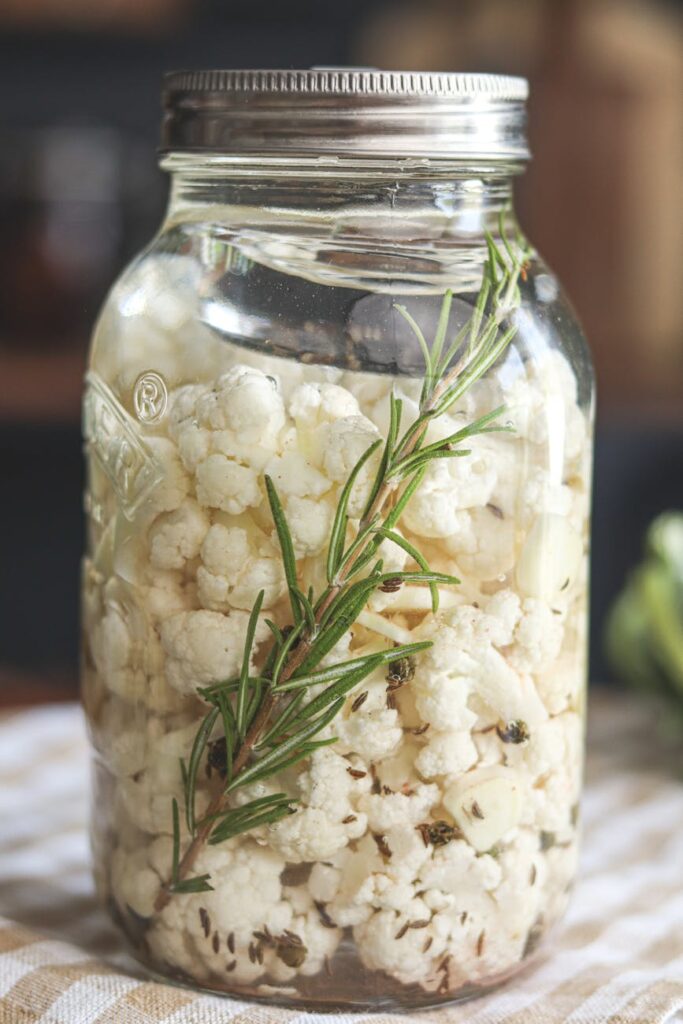
5. Pickling: In many cultures, cauliflower is pickled and served as a tangy side dish.
Storage and Shelf Life
Proper storage is essential for maintaining the quality of cauliflower. Ideally, it should be stored in the refrigerator, wrapped in a plastic bag to retain moisture.
Shelf Life
- Fresh Cauliflower: When stored correctly, fresh cauliflower can last up to a week in the refrigerator.
- Cooked Cauliflower: Cooked cauliflower should be consumed within 3 to 5 days when stored in an airtight container in the fridge.
For longer storage, cauliflower can be blanched and frozen, retaining its nutritional value and quality for several months.