
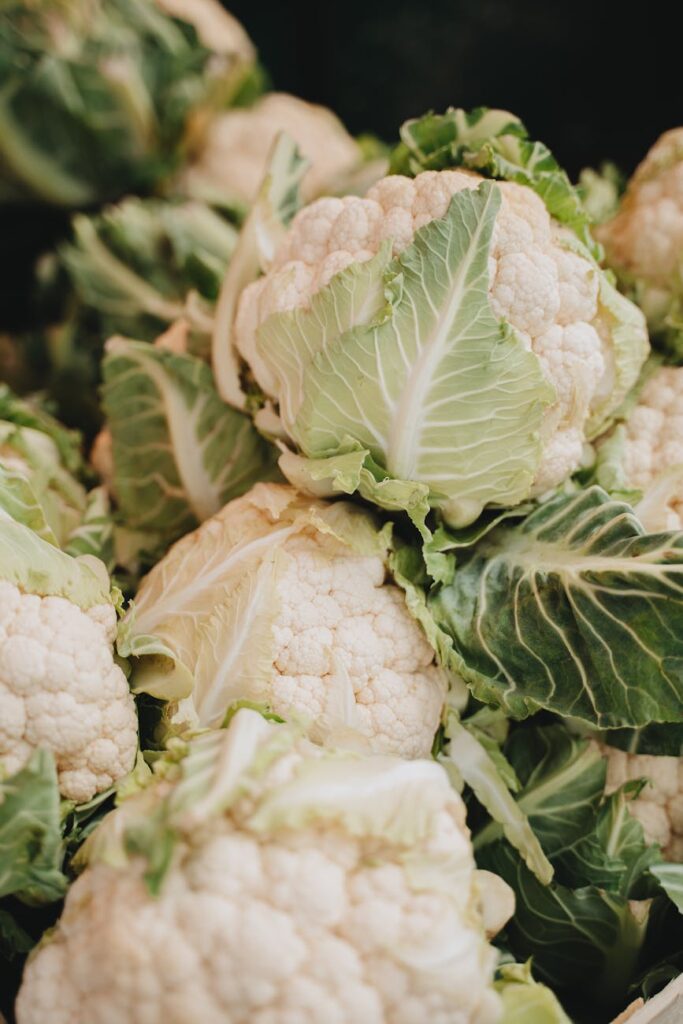
Cauliflower Myths and Misconceptions
Introduction
Cauliflower, once relegated to the sidelines of the vegetable world, has emerged as a star ingredient in contemporary cuisine. Its versatility, nutritional profile, and ability to adapt to various culinary applications have garnered attention from chefs and home cooks alike. However, despite its rising popularity, several myths and misconceptions surround this cruciferous vegetable. This article aims to clarify these misunderstandings, exploring cauliflower’s history, production, quality, and more.
What Is Guides?
In the context of culinary education and ingredient knowledge, “Guides” serve as comprehensive resources that provide detailed information about specific food items. These guides cover various aspects, including the ingredient’s history, production processes, quality indicators, and culinary applications. Through a well-structured guide, consumers and culinary professionals can deepen their understanding of ingredients, enabling informed choices in purchasing, cooking, and utilizing them effectively.
History and Origins
Cauliflower’s beginnings can be traced back to the Mediterranean region, where it is believed to have been cultivated for over 2,000 years. The vegetable is a member of the Brassica oleracea species, which also includes broccoli, kale, and Brussels sprouts. Historical records suggest that cauliflower was first cultivated in Cyprus and later spread throughout Europe during the Middle Ages. By the 16th century, it had made its way to France and Italy, where it became a staple in various culinary traditions.
The name “cauliflower” is derived from the Latin word “caulis,” meaning “cabbage,” and “floris,” meaning “flower,” which aptly describes the vegetable’s unique structure. Over the centuries, cauliflower has been selectively bred to develop different varieties, leading to the diverse options available today, including white, purple, green, and orange cauliflower.
Production and Processing
Cauliflower is primarily grown in temperate climates, thriving in well-drained, fertile soil with a pH level between 6.0 and 7.0. Major producers include the United States, India, China, and several European countries. The growing season varies by region; however, in many areas, cauliflower is cultivated during the cool months of spring and fall.
The production process involves careful management of irrigation, pest control, and nutrient supply to ensure optimal growth. Once harvested, cauliflowers undergo a series of processing steps that may include washing, trimming, and packaging. Depending on market demand, they can be sold fresh, frozen, or processed into various products like cauliflower rice or florets.
Quality and Grading
Cauliflower quality is assessed based on several factors, including appearance, texture, and freshness. High-quality cauliflower should have tightly packed, firm florets with a vibrant color, devoid of blemishes or discolorations. The leaves should be crisp and green, indicating that the cauliflower is fresh and has been properly handled.
Grading systems may vary by region, but generally, the U.S. Department of Agriculture (USDA) classifies cauliflower into three grades: U.S. No. 1, U.S. No. 2, and U.S. No. 3. U.S. No. 1 is the highest quality, showcasing the best visual and textural characteristics. Quality assessment is crucial for both consumers and retailers, as it can influence purchasing decisions and overall satisfaction.
Buying Considerations
When purchasing cauliflower, several factors should be taken into account:
1. Freshness: Look for firm, compact heads with no signs of browning or wilting. Fresh cauliflower should feel heavy for its size and have a clean, crisp appearance.
2. Variety: Different varieties offer unique flavors and culinary uses. White cauliflower is the most common, while purple, green, and orange varieties provide distinct visual appeal and nutritional benefits.
3. Seasonality: Cauliflower is typically in season during cooler months. Purchasing in-season produce ensures optimal flavor and freshness.
4. Organic vs. Conventional: Depending on personal preferences and concerns regarding pesticide use, consumers may opt for organic cauliflower. Organic varieties are grown without synthetic pesticides or fertilizers, although they may have a shorter shelf life.
5. Local Sourcing: Whenever possible, consider buying locally sourced cauliflower to support local farmers and reduce the carbon footprint associated with transport.
Uses and Applications
Cauliflower’s versatility makes it suitable for various culinary applications. It can be enjoyed raw in salads, steamed, roasted, or incorporated into soups and stews. Additionally, its neutral flavor allows it to be transformed into creative substitutes for high-carb ingredients.
One of the most popular uses is as a low-carb alternative to grains, such as cauliflower rice or cauliflower crust for pizzas. Its ability to absorb flavors makes it a favorite in dishes ranging from curries to stir-fries. Moreover, it can be pureed to create creamy sauces or blended into smoothies as a nutrient-dense addition.
Storage and Shelf Life
Proper storage is essential to maintain the freshness and quality of cauliflower. When stored in the refrigerator, whole heads of cauliflower can last up to a week, while cut pieces may only last 3-4 days. To maximize shelf life, keep cauliflower in a perforated plastic bag or wrapped in a damp paper towel to retain moisture while allowing air circulation.
Freezing is another option for extending shelf life. Cauliflower should be blanched before freezing to preserve its color, flavor, and nutritional content. When properly frozen, cauliflower can last for up to a year, making it a convenient choice for meal prep.
Common Misconceptions
Despite its popularity, several misconceptions about cauliflower persist:
1. Cauliflower Is Just a White Vegetable: While white cauliflower is the most recognized variety, it also comes in vibrant colors, including purple, green, and orange. Each variety has its unique flavor profile and nutritional benefits.
2. Cauliflower Has No Nutritional Value: On the contrary