
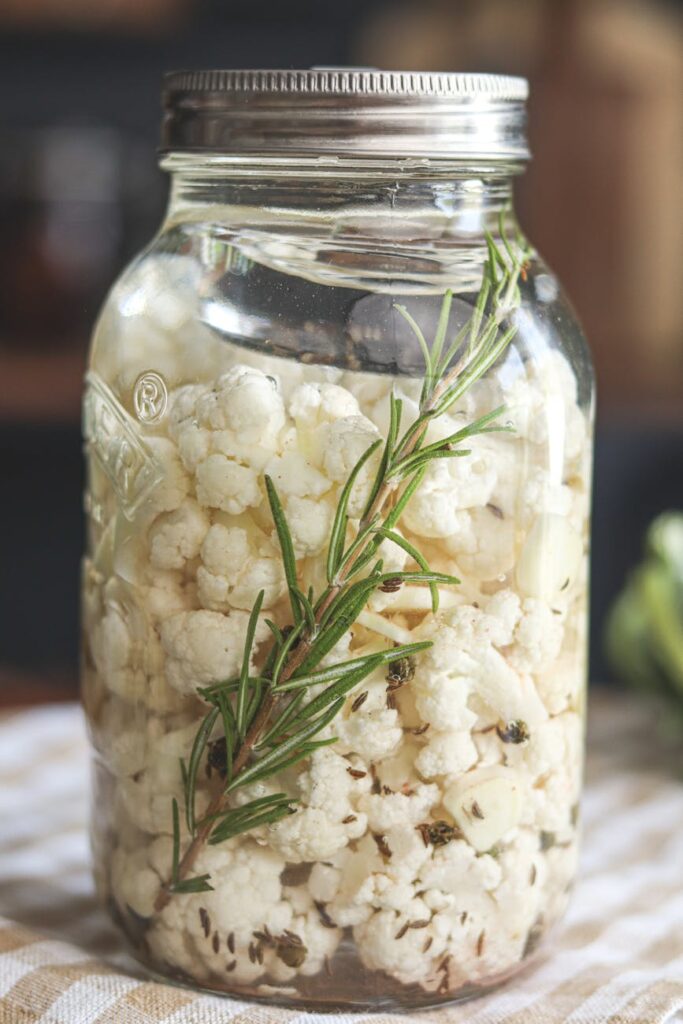
Cauliflower Regions Guide Part 6
Introduction
Cauliflower, a cruciferous vegetable, has gained immense popularity across the globe due to its versatility and health benefits. This guide delves into the various regions where cauliflower is cultivated, focusing on the unique characteristics, production methods, and cultural significance of this remarkable ingredient. Understanding the regional nuances of cauliflower will not only enhance your culinary repertoire but also deepen your appreciation for this nutritious vegetable.
What Is Regions?
In the context of food ingredients, “regions” refers to specific geographical areas that are known for cultivating particular crops under unique climatic, soil, and cultural conditions. Each region imparts distinct qualities to its produce, influencing flavor, texture, and even nutritional content. Cauliflower regions can be categorized by climatic zones, soil types, and farming practices, each contributing to the characteristics of the cauliflower produced.
History and Origins
The history of cauliflower can be traced back to the Mediterranean region, particularly around the eastern Mediterranean basin. Its cultivation is believed to have begun in the 6th century BC, with historical references indicating its use by the ancient Greeks and Romans. Over centuries, it spread throughout Europe, eventually making its way to Asia and the Americas.
The modern varieties of cauliflower have been developed through selective breeding, which has resulted in an array of colors, including white, green, purple, and orange. Each color variant not only differs visually but also has unique flavor profiles and nutrient compositions, influencing regional preferences and culinary applications.
Production and Processing
Cauliflower thrives in temperate climates, making it a staple in countries like the United States, India, Italy, and Spain. The production process begins with selecting high-quality seeds, which are typically sowed in nurseries before being transplanted into the fields. The ideal growing conditions for cauliflower include well-drained, fertile soil and consistent moisture, making irrigation crucial in regions with fluctuating rainfall.
Regional Highlights:
- United States: California is the leading producer of cauliflower in the U.S., benefiting from its mild climate and rich soil. The state’s ideal growing season allows for year-round cultivation, significantly contributing to the national supply.
- India: As one of the largest producers, India primarily cultivates cauliflower in regions like Himachal Pradesh and Punjab. The diverse climate and soil types allow for unique local varieties.
- Europe: Countries like Italy and Spain are renowned for their artisanal farming methods, producing high-quality cauliflower. The Mediterranean climate promotes a longer growing season, allowing for the cultivation of both traditional and heirloom varieties.
- Grade A: Typically features firm heads, vibrant color, and minimal blemishes. This grade is often sought after for retail.
- Grade B: May have slight imperfections but is still suitable for culinary use. Often found in food service applications.
- Grade C: Generally reserved for processing, this grade includes cauliflowers that have visible defects or size inconsistencies.
- North America: Often used in salads, casseroles, and as a pizza crust substitute in gluten-free diets.
- India: Integral to traditional dishes like “gobhi masala,” where it is spiced and cooked with tomatoes and onions.
- Europe: Frequently featured in gratins, soups, and as a side dish, showcasing its adaptability to different flavor profiles.
- Refrigeration: Store cauliflower in a perforated plastic bag in the crisper drawer of your refrigerator to maintain moisture while allowing for air circulation.
- Avoiding Ethylene: Keep cauliflower away from ethylene-producing fruits like apples and bananas, as this gas can accelerate spoilage.
- Freezing: For extended shelf life, cauliflower can be blanched and frozen. This process halts enzyme activity, preserving its texture and flavor for several months.
Once harvested, cauliflowers undergo careful handling to maintain quality. Processing methods can include washing, trimming, and packaging, with some regions employing advanced techniques such as vacuum sealing to extend shelf life.
Quality and Grading
The quality of cauliflower is assessed based on several criteria, including size, shape, color, and overall freshness. Most regions adhere to specific grading standards to ensure that only the best produce reaches consumers.
Grading Standards:
Local grading practices can vary, reflecting regional preferences and market demands. Consumers should be aware of these standards when purchasing cauliflower, as higher grades generally correlate with superior flavor and culinary versatility.
Buying Considerations
When selecting cauliflower, various factors should be considered to ensure optimal quality and flavor. Here are key points to keep in mind:
1. Seasonality: Depending on the region, cauliflower may be available year-round or only during specific seasons. Purchasing in season often guarantees better flavor and texture.
2. Appearance: Look for tightly packed heads with a uniform color and no signs of browning or wilting. The leaves should be fresh and vibrant.
3. Size: While personal preference plays a role, smaller heads tend to be more tender and flavorful.
4. Source: Consider buying from local farmers’ markets or trusted suppliers to ensure freshness and support sustainable practices.
Uses and Applications
Cauliflower’s versatility makes it a favorite in various culinary applications. It can be consumed raw, steamed, roasted, or puréed, and serves as a low-carb alternative to grains and legumes.
Culinary Uses by Region:
Beyond traditional uses, cauliflower is increasingly being incorporated into innovative recipes, such as cauliflower rice, cauliflower steaks, and even cauliflower-based snacks.
Storage and Shelf Life
Proper storage is crucial to maintaining the quality of cauliflower. When stored correctly, fresh cauliflower can last up to a week in the refrigerator. Here are essential storage tips:
Common Misconceptions
Despite its popularity, several misconceptions surround cauliflower. Addressing these misunderstandings can enhance consumer knowledge and appreciation of this ingredient.
1. Only White Cauliflower Exists: While white cauliflower is the most recognized variety, there are colorful options like