
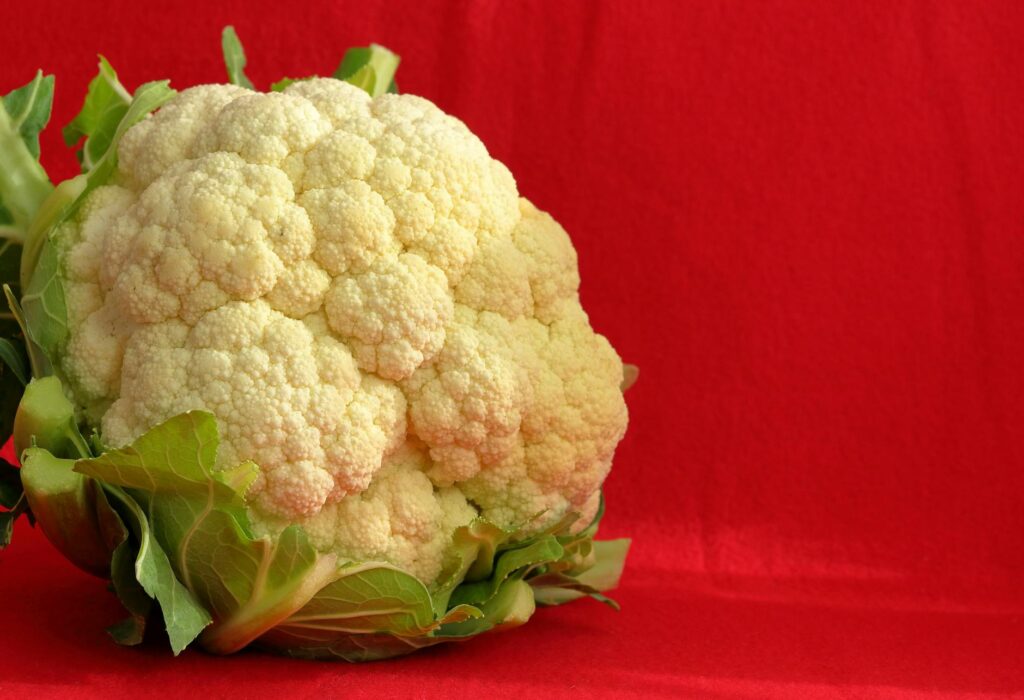
Cauliflower Regions Guide Part 7
Introduction
Cauliflower, a member of the Brassica oleracea family, has gained immense popularity in global cuisines due to its versatility and nutritional benefits. This cruciferous vegetable, characterized by its distinct white florets, is cultivated in various regions around the world, each contributing unique characteristics to the vegetable. Understanding the various regions that cultivate cauliflower is essential for appreciating its diversity, flavor profiles, and applications in culinary practices. This guide delves into the regions where cauliflower is grown, exploring their histories, production practices, quality standards, and uses.
What Is Regions?
In the context of food ingredients, “regions” refer to the geographical areas where specific crops are cultivated. The climate, soil type, and local agricultural practices in these regions significantly influence the characteristics of the produce. For cauliflower, regions can encompass anything from large agricultural zones to specific countries or even smaller locales known for unique cultivation methods.
Each region imparts distinct qualities to cauliflower, including size, color, flavor, and texture. This variability makes understanding the regional cultivation of cauliflower essential for chefs, food enthusiasts, and consumers alike.
History and Origins
Cauliflower’s origins trace back to the Mediterranean region, specifically the island of Cyprus, where it was first cultivated around the 6th century BC. Over the centuries, it made its way to Europe, becoming popular in France and Italy in the 16th century. Its introduction to North America occurred in the 18th century, where it was initially met with skepticism before gaining acceptance in various culinary traditions.
Regional cultivation practices have evolved with the migration of cauliflower across continents. Today, major production areas include the United States, India, China, and several European nations. Each of these regions has adapted the cultivation of cauliflower to suit its climate and market demands, resulting in diverse varieties that reflect local agricultural practices and consumer preferences.
Production and Processing
Major Producing Regions
1. United States: California leads cauliflower production in the U.S. due to its favorable climate and rich soil. The Salinas Valley is particularly renowned for its high-quality cauliflower, which is harvested year-round.
2. India: As one of the largest producers globally, India cultivates cauliflower in various states, including Punjab, Haryana, and Maharashtra. The country is known for producing both traditional white varieties and colorful cultivars, such as purple and orange cauliflower.
3. China: China is another significant player in cauliflower production. The provinces of Shandong and Jiangsu are key regions, where farmers employ both traditional and modern farming techniques to enhance yield and quality.
4. Europe: Countries like Spain, Italy, and the Netherlands are notable for their cauliflower cultivation. Spanish farms often utilize innovative agricultural practices to produce cauliflower year-round, while Italy is known for its heirloom varieties.
Processing Methods
Once harvested, cauliflower undergoes several processing steps before reaching consumers. These include washing, trimming, and packaging. Some regions also engage in freezing and canning processes to extend shelf life and facilitate transportation. The methods employed can vary based on local demand and export requirements.
Quality and Grading
The quality of cauliflower is assessed based on several criteria, including appearance, firmness, and size. In many regions, cauliflower is graded according to established standards:
- Grade A: Florets are tightly packed, with no discoloration or blemishes. The stalks are firm, and the leaves are fresh and green.
- Grade B: Florets may be slightly loose or exhibit minor blemishes, but overall quality remains acceptable for most culinary uses.
- Grade C: Often used for processing, this grade is characterized by over-mature florets or significant blemishes.
- Culinary Uses: Cauliflower can be roasted, steamed, sautéed, or eaten raw. Its mild flavor allows it to take on various seasonings and ingredients, making it suitable for a range of dishes, from salads to main courses.
- Substitutions: With the rise of the low-carb movement, cauliflower has gained popularity as a substitute for grains and legumes. It can be transformed into cauliflower rice, pizza crusts, and even mashed cauliflower, serving as healthier alternatives.
- Cultural Significance: In Indian cuisine, cauliflower is a key ingredient in various dishes, including aloo gobi, where it is paired with potatoes and spices. In Italian cooking, it is often featured in fritters and soups.
- Refrigeration: Store cauliflower in the refrigerator, ideally in a perforated plastic bag to allow for air circulation. This helps prevent moisture buildup, which can lead to spoilage.
- Shelf Life: Fresh
Understanding these grading systems is crucial for consumers and chefs seeking to select the highest quality cauliflower for their needs.
Buying Considerations
When purchasing cauliflower, several factors should be taken into account to ensure optimal quality:
1. Seasonality: Cauliflower is typically in season during cooler months. In regions like California, the peak season spans from late fall to early spring, while in India, it is primarily harvested during winter.
2. Variety: Familiarize yourself with various cauliflower types, such as white, purple, and romanesco. Each variety offers unique flavors and textures suitable for different culinary applications.
3. Freshness: Look for heads with compact florets and vibrant green leaves. Avoid cauliflower with brown spots or wilted leaves, as these may indicate spoilage.
4. Local vs. Imported: Whenever possible, opt for local cauliflower, as it is often fresher and more flavorful. Imported varieties may have traveled long distances, affecting quality.
Uses and Applications
Cauliflower is an incredibly versatile ingredient, serving a multitude of culinary purposes across various cuisines:
Storage and Shelf Life
Proper storage is crucial for maintaining the freshness and quality of cauliflower: