
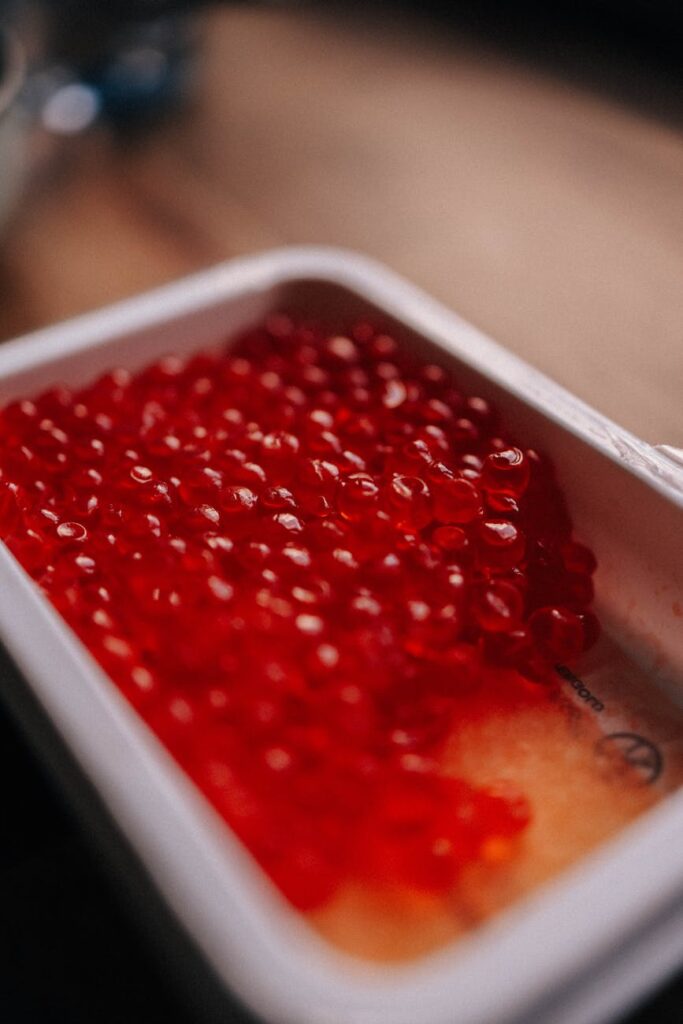
Caviar Growing Guide Part 6
Introduction
Caviar, one of the culinary world’s most luxurious ingredients, is not merely a product of fishing; it is the result of a meticulous and often complex growing process. This guide delves into the intricacies of how caviar is grown, from its historical roots to modern production practices. Understanding the growing process is crucial for appreciating the nuances of this delicacy, its quality, and its various applications in gourmet cuisine.
What Is Growing?
In the context of caviar, “growing” refers to the entire lifecycle of sturgeon, the fish from which caviar is harvested. This includes breeding, rearing, and nurturing these fish until they reach maturity, at which point the roe—the unfertilized eggs—can be harvested. The process requires a carefully controlled environment, including water quality, temperature, and diet, to ensure the health of the sturgeon and the quality of the caviar produced.
Sturgeon Species
The majority of caviar comes from several species of sturgeon, namely Beluga, Osetra, and Sevruga. Each species contributes distinct flavors and textures to the caviar, influenced by their growing conditions. Understanding these species is essential for anyone interested in the nuances of caviar.
History and Origins
The history of caviar dates back thousands of years, with origins traced to the Caspian Sea region. Ancient civilizations, including the Greeks and Romans, recognized caviar as a delicacy. Initially, caviar was harvested from wild sturgeon, but overfishing and habitat destruction led to a significant decline in sturgeon populations.
Modern Developments
In response to dwindling populations, aquaculture has emerged as a sustainable solution to caviar production. This method allows for the controlled breeding and harvesting of sturgeon, ensuring that caviar remains available without depleting wild stocks. Countries such as Italy, France, and the United States have developed their aquaculture systems to produce high-quality caviar.
Production and Processing
The production of caviar involves several key stages: breeding, hatching, and rearing.
Breeding
Sturgeon typically reach maturity between 6 to 20 years, depending on the species. In controlled environments, breeders select healthy, mature sturgeon to ensure optimal quality. Hormonal treatments may be employed to stimulate spawning, allowing for a more predictable harvest.
Hatching
Once fertilization occurs, the eggs are carefully monitored. The hatching process is delicate; eggs must be kept in specific water conditions to ensure high survival rates. After hatching, the fry are transferred to nurseries, where they are nurtured until they grow into juvenile fish.
Rearing
During the rearing phase, sturgeon are kept in large tanks or ponds that mimic their natural habitat. Water quality is meticulously controlled, with parameters such as pH, salinity, and temperature being regularly monitored. A balanced diet, rich in nutrients, is provided to promote healthy growth.
Harvesting
Harvesting caviar is a delicate procedure that requires expertise. Sturgeon are typically harvested when they reach the appropriate size and age. The roe is carefully extracted, washed, and salted to enhance its flavor and preserve its quality.
Quality and Grading
The quality of caviar is determined by various factors, including the species of sturgeon, the size and color of the eggs, and the method of processing. Caviar is typically graded into several categories:
- Grade 1 (Imperial): Known for its large, glossy eggs and superior flavor. This grade is often the most sought after.
- Grade 2 (Classic): Slightly smaller eggs with a good flavor profile, suitable for various culinary applications.
- Grade 3 (Standard): Smaller eggs that may have minor imperfections but still offer a pleasant taste.
- Pasta and Risotto: A touch of caviar can elevate these dishes, adding a luxurious element.
- Seafood Dishes: Caviar pairs well with seafood, enhancing flavors and presenting a visually appealing garnish.
- Egg Dishes: Incorporating caviar into omelets or scrambled eggs can create a decadent breakfast experience.
- Refrigeration: Caviar should be stored in the coldest part of the refrigerator, ideally between 28°F and 32°F (-2°C to 0°C).
Tasting Notes
High-quality caviar should have a smooth, creamy texture and a complex flavor profile, often described as nutty, buttery, or briny. The experience of tasting caviar is enhanced by its aroma and the way it bursts in the mouth.
Buying Considerations
When purchasing caviar, several factors need to be considered to ensure the best quality:
1. Source: Opt for caviar from reputable producers who practice sustainable aquaculture. Certifications from organizations such as the Marine Stewardship Council (MSC) can provide reassurance.
2. Packaging: Caviar is typically sold in glass jars or tins. Ensure that the packaging is airtight to preserve freshness.
3. Price: High-quality caviar can be expensive, reflecting its rarity and the labor-intensive process involved in its production. Be wary of prices that seem too good to be true.
4. Storage Conditions: Check the storage conditions and expiration date. Fresh caviar should be stored at low temperatures to maintain its quality.
Uses and Applications
Caviar is primarily enjoyed as a delicacy, often served on blinis, toast points, or simply on a mother-of-pearl spoon to avoid altering its flavor. In addition to traditional presentations, caviar can be incorporated into various culinary dishes, including:
Storage and Shelf Life
Proper storage is crucial for maintaining the quality of caviar. Once opened, caviar should be consumed within a few days to ensure the best flavor and texture.
Ideal Conditions
–