
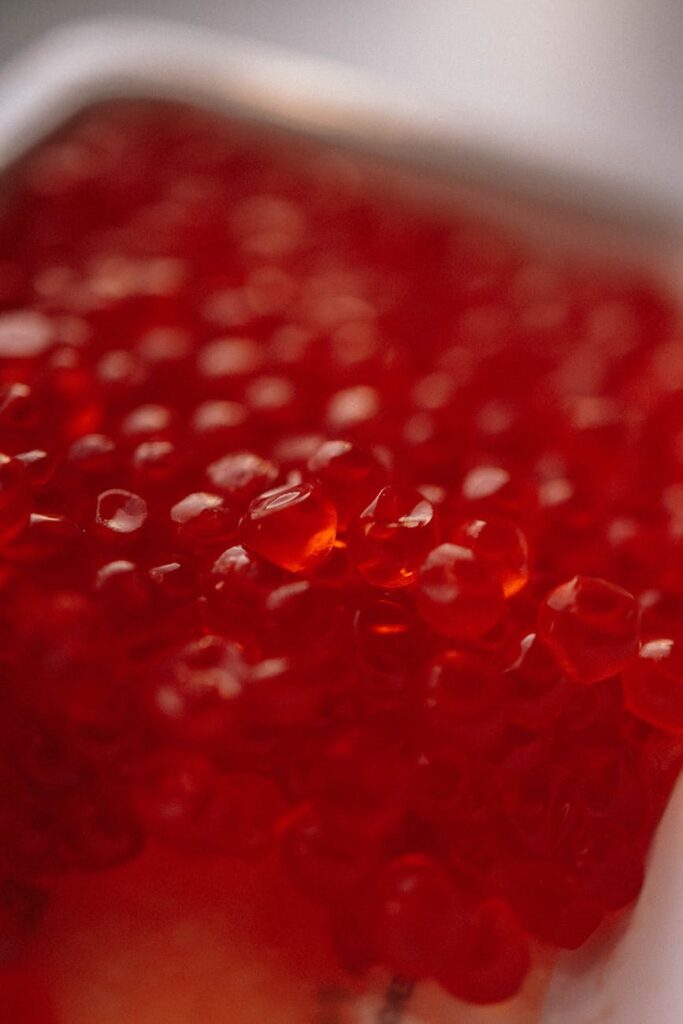
Caviar Growing Guide Part 7
Introduction
Caviar, often regarded as a symbol of luxury and indulgence, is the salted roe of sturgeon and other fish species. Its unique flavor profile and delicate texture make it a sought-after delicacy across the globe. In this comprehensive guide, we delve into the essential aspects of growing caviar, focusing on the nuances that contribute to its esteemed status in gastronomy.
What Is Growing?
Growing, in the context of caviar production, refers to the cultivation and rearing of sturgeon and other fish species whose roe can be harvested for caviar. This process encompasses the entire lifecycle of the fish, from hatchery to maturation, ensuring sustainability and quality in caviar production. The success of growing caviar hinges on factors such as water quality, temperature, diet, and breeding practices, all of which contribute to the overall health of the fish and the quality of the resulting roe.
History and Origins
The origins of caviar date back thousands of years, with early references found in Persian texts. The word “caviar” is believed to have derived from the Persian word “khaviar,” meaning “egg.” Initially, caviar was consumed primarily by nobility and royalty, prized for its rich taste and nutritional benefits.
Historically, the Caspian Sea has been the epicenter of caviar production, home to several sturgeon species, including Beluga, Osetra, and Sevruga. However, overfishing and environmental changes have significantly reduced wild sturgeon populations, leading to a shift towards aquaculture. Today, sustainable caviar farming practices are essential for preserving both the fish species and the quality of caviar.
Production and Processing
Aquaculture Techniques
Caviar production begins with the careful selection of sturgeon species, with various species yielding different flavors and textures. Modern aquaculture techniques involve controlled breeding, where eggs and sperm are collected and fertilized in a hatchery environment.
1. Hatchery Stage: Eggs are incubated in tanks, where water quality is meticulously monitored. The larvae are fed specialized diets to ensure optimal growth.
2. Grow-Out Phase: Once the sturgeon reach a certain size, they are transferred to larger tanks or ponds. Here, they continue to grow, requiring a balanced diet rich in proteins, vitamins, and minerals.
3. Maturation: Sturgeon take several years to mature, with some species requiring over a decade before they can produce roe. During this time, water conditions, temperature, and feed composition are closely managed.
Harvesting
The harvesting process is critical for ensuring the quality of caviar. Once the fish reach maturity, the roe is carefully extracted, often using a minimal-invasive technique to reduce stress on the fish. The eggs are then rinsed, salted, and packed under strict hygienic conditions to maintain quality.
Processing
After harvesting, caviar undergoes several processing stages:
- Salting: The degree of salting can vary, influencing the final flavor and texture. Lightly salted caviar is often preferred for its delicate taste.
- Packaging: Caviar is typically packaged in glass containers to prevent contamination and preserve freshness. Proper sealing is essential to maintain quality during storage and transport.
- Appetizers: Served on blinis or toast points, often accompanied by crème fraîche or butter.
- Garnish: Enhancing the flavor of seafood dishes, pasta, or even scrambled eggs.
- Cocktails: Used as a garnish in high-end cocktails, adding a briny depth.
- Pairings: Caviar pairs well with Champagne, vodka, and certain white wines, enhancing the overall dining experience.
Quality and Grading
Caviar quality is determined by several factors, including the species of fish, the size and appearance of the eggs, and the processing methods used. Most caviar is graded based on the following criteria:
1. Color: Ranges from pale gray to deep black, with variations in hue indicating different fish species.
2. Size: Larger eggs are generally considered more desirable, with a more pronounced pop when eaten.
3. Texture: High-quality caviar should have a smooth, glossy appearance, and a firm yet delicate texture.
4. Flavor: The taste should be complex, with a balance of saltiness, creaminess, and umami notes.
Common grading classifications include Imperial, Royal, and Classic, with Imperial typically representing the highest quality.
Buying Considerations
When purchasing caviar, it is crucial to consider several factors to ensure the highest quality:
1. Source: Look for caviar from reputable producers known for sustainable practices. Certifications from organizations like the Marine Stewardship Council (MSC) can guide consumers towards responsible choices.
2. Type: Familiarize yourself with different types of caviar, such as Beluga, Osetra, and Sevruga, each offering unique flavor profiles.
3. Packaging: Opt for vacuum-sealed jars or tins to ensure freshness and prevent spoilage.
4. Price: Caviar prices can vary widely based on quality and rarity. Be cautious of unusually low prices, which may indicate inferior quality or unsustainable sourcing.
5. Tasting: If possible, sample different varieties to understand your preferences better. Many high-end retailers offer tastings or allow you to try before you buy.
Uses and Applications
Caviar is primarily enjoyed as a luxurious addition to various dishes. Its versatility allows it to be used in several ways, including:
Storage and Shelf Life
Proper storage is essential for maintaining the quality and flavor of caviar. Here are key storage guidelines:
1. Temperature: Caviar should be stored in the coldest part of the refrigerator, ideally between 28°F and 32°F (-2°C