
Caviar Guides Guide Part 7
Introduction
Caviar, often referred to as the “food of the gods,” is a luxurious delicacy cherished around the globe. This guide serves as a comprehensive resource for understanding the multifaceted world of caviar, from its rich history and production processes to its grading systems and culinary applications. As one delves into the nuances of this exquisite ingredient, it becomes evident that caviar is not merely a garnish but a testament to gastronomic artistry.
What Is Caviar?
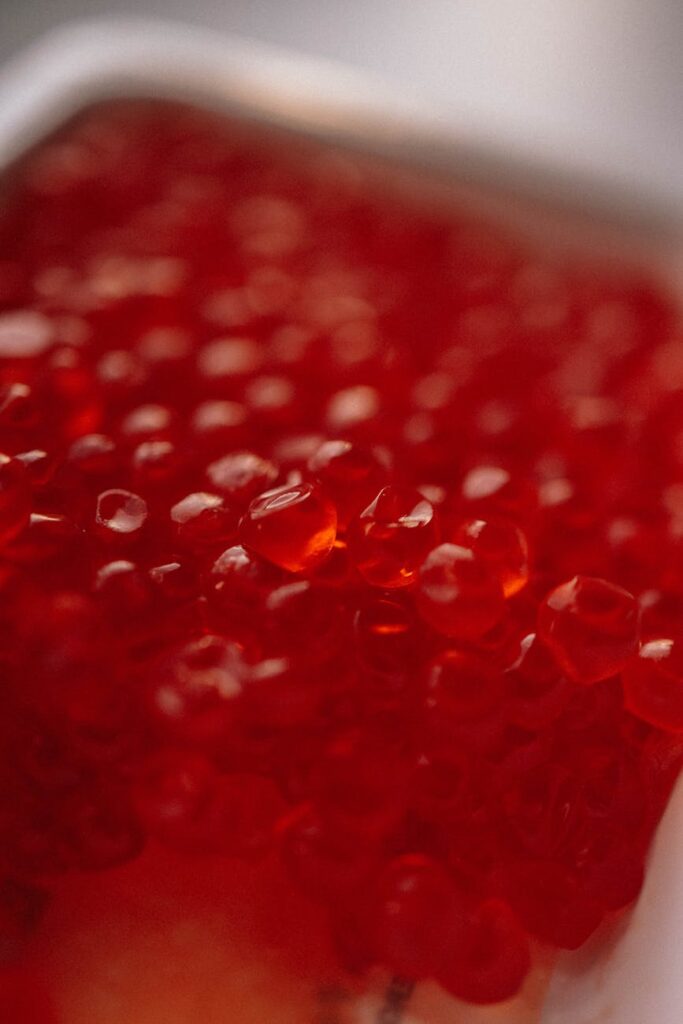
Caviar is the salted roe (eggs) of sturgeon and other fish, predominantly from the Acipenseridae family. While the term “caviar” is often used to describe fish roe in general, true caviar is specifically associated with sturgeon. The most prized varieties include Beluga, Osetra, and Sevruga, each offering unique flavors and textures. These delicate pearls embody a complex flavor profile that can range from nutty and buttery to briny and mineral-rich, making them a sought-after ingredient in gourmet cuisine.
History and Origins
The history of caviar dates back thousands of years, with its origins rooted in the Caspian Sea region, particularly in countries like Iran and Russia. Ancient texts suggest that caviar was consumed as early as the 4th century BC, with references found in the writings of Aristotle and Pliny the Elder. For centuries, caviar was primarily enjoyed by the aristocracy of these regions, symbolizing wealth and opulence.
The 19th century marked a turning point in the caviar industry, with the advent of commercial fishing and processing techniques. As demand grew, caviar began to appear in European haute cuisine, further solidifying its status as a luxury ingredient. The 20th century saw the rise of caviar imports to the United States and other parts of the world, paving the way for its global popularity.
Production and Processing
The production of caviar is a meticulous process that requires both skill and patience. It begins with the careful selection of sturgeon species, which can take years to mature and produce eggs. Once harvested, the roe is extracted, cleaned, and then salted with precision. The salting process is crucial; it not only enhances the flavor but also acts as a preservative.
There are several methods of caviar production, including:
- Traditional Method: Involves hand-scooping the roe from the fish, ensuring minimal damage and maintaining the integrity of the eggs.
- Modern Method: Utilizes mechanical means to extract roe, which may result in quicker production but can compromise quality.
- Source: Always choose caviar from reputable suppliers who prioritize sustainability and ethical fishing practices. Overfishing has led to significant declines in sturgeon populations, prompting regulations that govern caviar harvest.
- Freshness: Check for sell-by dates and ensure that the caviar is stored at the appropriate temperature. Fresh caviar should be kept at a constant cold temperature, ideally between 28°F to 32°F (-2°C to 0°C).
- Packaging: Look for caviar that is vacuum-sealed or packaged in glass jars, which can help maintain freshness. Avoid products in metal tins, as they can impart metallic flavors.
- Price: High-quality caviar is an investment. Prices can vary dramatically based on type and quality, so be prepared for premium pricing when seeking authentic varieties.
- Pasta: A delicate sprinkling of caviar elevates pasta dishes, adding a touch of saltiness and texture.
- Egg Dishes: Caviar complements dishes like scrambled eggs or omelets, enhancing the dish’s richness.
- Soups and Sauces: Caviar can be used to finish soups, giving depth to bisques or chilled soups.
- Cocktails: Caviar is sometimes used as a garnish in cocktails, particularly in variations of the classic martini.
After extraction, the roe undergoes a rigorous quality check. Factors such as size, color, and firmness are evaluated, with only the finest eggs making the cut for premium caviar. The final product is then packaged in airtight containers to preserve its freshness and flavor.
Quality and Grading
Caviar quality is assessed based on several criteria, including size, color, texture, flavor, and aroma. The most reputable grading system categorizes caviar into three main classifications:
1. Grade A: The highest quality, featuring large, firm eggs with a glossy appearance and a rich flavor profile.
2. Grade B: Slightly smaller eggs with consistent quality and a good flavor, though not as refined as Grade A.
3. Grade C: This classification is reserved for eggs that may have imperfections in texture or flavor, often used in processed products.
Additionally, caviar is often labeled according to its source species, such as Beluga, Osetra, and Sevruga, each of which has distinct characteristics. Beluga caviar, for example, is known for its large, delicate eggs and buttery flavor, while Osetra offers a nuttier taste with medium-sized eggs.
Buying Considerations
When purchasing caviar, several factors should be kept in mind to ensure an optimal experience:
Uses and Applications
Caviar is a versatile ingredient that transcends traditional pairings. While often served as a sumptuous garnish for blinis, toast points, or crème fraîche, its applications extend far beyond. Chefs incorporate caviar into a variety of dishes:
In fine dining, the presentation of caviar is an art form. It is often served in a chilled dish with accompanying items like chopped onions, capers, and hard-boiled eggs, allowing diners to customize each bite.
Storage and Shelf Life
Proper storage is crucial to maintaining the quality of caviar. Once opened, caviar should be consumed within a few days for optimal