
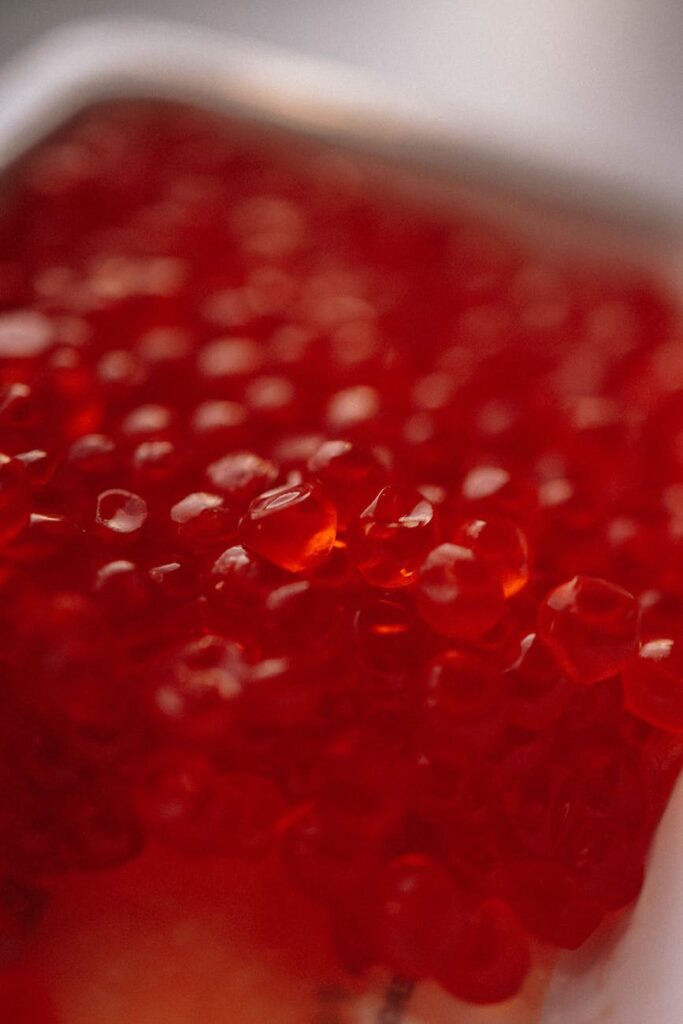
Caviar Regions Guide Part 7
Introduction
Caviar, often referred to as the “food of the gods,” is one of the most luxurious delicacies in the culinary world. It is derived from the roe of sturgeon and other fish, and its quality and flavor can vary significantly depending on its region of origin. This article provides an in-depth exploration of the various regions where caviar is produced, highlighting their unique characteristics, production methods, and the factors that contribute to the quality of this exquisite ingredient.
What Is Regions?
In the context of caviar, “regions” refers to the geographic areas where different types of sturgeon and other roe-producing fish are found and harvested. Each region imparts distinct qualities to the caviar, influenced by factors such as water temperature, salinity, diet of the fish, and local traditions of harvesting and processing. Understanding these regions is essential for both connoisseurs and casual consumers alike, as it helps in appreciating the nuances of flavor and texture that define caviar.
History and Origins
Caviar has a rich history that dates back thousands of years, with its origins traced to the Caspian Sea region, particularly around modern-day Iran and Russia. Ancient civilizations, including the Greeks and Romans, prized caviar for its taste and believed it possessed aphrodisiac qualities. The sturgeon species, specifically the Beluga, Osetra, and Sevruga, have been harvested in these regions for centuries.
In the 19th century, caviar production expanded beyond its native waters, with countries like the United States, China, and various European nations beginning to cultivate their own sturgeon. This diversification has led to a broader range of flavors and qualities, contributing to the global prestige of caviar.
Production and Processing
Caviar production is a meticulous process that involves several stages: farming, harvesting, and processing. The most notable regions include:
Caspian Sea Region
Traditionally, the Caspian Sea is home to the most sought-after varieties of caviar. The sturgeon here are often harvested using age-old techniques, where fishermen ensure minimal disturbance to the fish. The roe is then processed in facilities that adhere to strict standards to maintain quality.
United States
In the U.S., caviar production began in the early 20th century, primarily in California and Florida. American farms often focus on sustainable practices, breeding species like the White Sturgeon and Siberian Sturgeon. The production methods emphasize quality over quantity, resulting in a product that is both environmentally friendly and gourmet.
China
China has emerged as a major player in the caviar market, with numerous farms cultivating sturgeon in freshwater ponds. The country produces both traditional and innovative caviar varieties, often utilizing advanced aquaculture techniques. The caviar from China tends to be more affordable, making it accessible to a broader audience.
Europe
Several European countries, including Italy, France, and Germany, have also established themselves as reputable caviar producers. These regions often blend traditional methods with modern technology, creating unique flavors that reflect their local environments. Notably, Italian caviar, particularly from the Adriatic Sea, has gained recognition for its high quality.
Quality and Grading
The quality of caviar is typically assessed based on several criteria: size, color, texture, flavor, and aroma. The International Caviar Standards categorize caviar into different grades, which can vary by region but generally follow these classifications:
- Imperial: The highest grade, often featuring large, firm eggs with a glossy appearance. It is typically derived from the rarest sturgeon species.
- Select: This grade includes slightly smaller eggs, still exhibiting a rich flavor and smooth texture.
- Classic: A more accessible option, featuring a variety of egg sizes and flavors, but still meeting quality standards.
- Garnish: Caviar can elevate a variety of dishes, from seafood platters to scrambled eggs.
- Flavor Enhancer: It can be used to enhance sauces, dressings, and even pasta dishes, adding a touch of luxury.
- Pairing with Beverages: Champagne, vodka, and white wines are traditional pairings that complement the brininess of caviar.
Regional variations may affect these classifications, with some regions emphasizing specific traits based on local preferences and traditions.
Buying Considerations
When purchasing caviar, several factors should be taken into account to ensure you select a high-quality product:
Source and Authenticity
Always buy caviar from reputable suppliers. Authentic caviar should be labeled with the species of fish, the country of origin, and any relevant certifications. Beware of products labeled simply as “caviar,” as they may be imitations made from other fish.
Packaging
High-quality caviar is typically packaged in glass jars or tins that are vacuum-sealed to preserve freshness. Check for any signs of damage or leakage, as this may indicate poor storage conditions.
Price
Caviar can range dramatically in price, influenced by factors such as species, region, and production methods. While higher prices often correlate with quality, it’s essential to balance cost against the specific characteristics you desire.
Taste Preferences
Different regions produce caviar with varying flavor profiles. If possible, sample caviar from different origins to discover which suits your palate best. For instance, Beluga caviar is known for its delicate, buttery flavor, while Osetra offers a nutty richness.
Uses and Applications
Caviar is often enjoyed as a standalone delicacy, served with blinis, toast points, or crème fraîche. However, its culinary applications extend beyond simple garnishing:
Storage and Shelf Life
Proper storage is crucial to maintaining the quality of caviar. It should be kept refrigerated at temperatures between 28°F and 32°F (-2°C to 0°C) and consumed within a few days after opening. Unopened caviar can last for several