
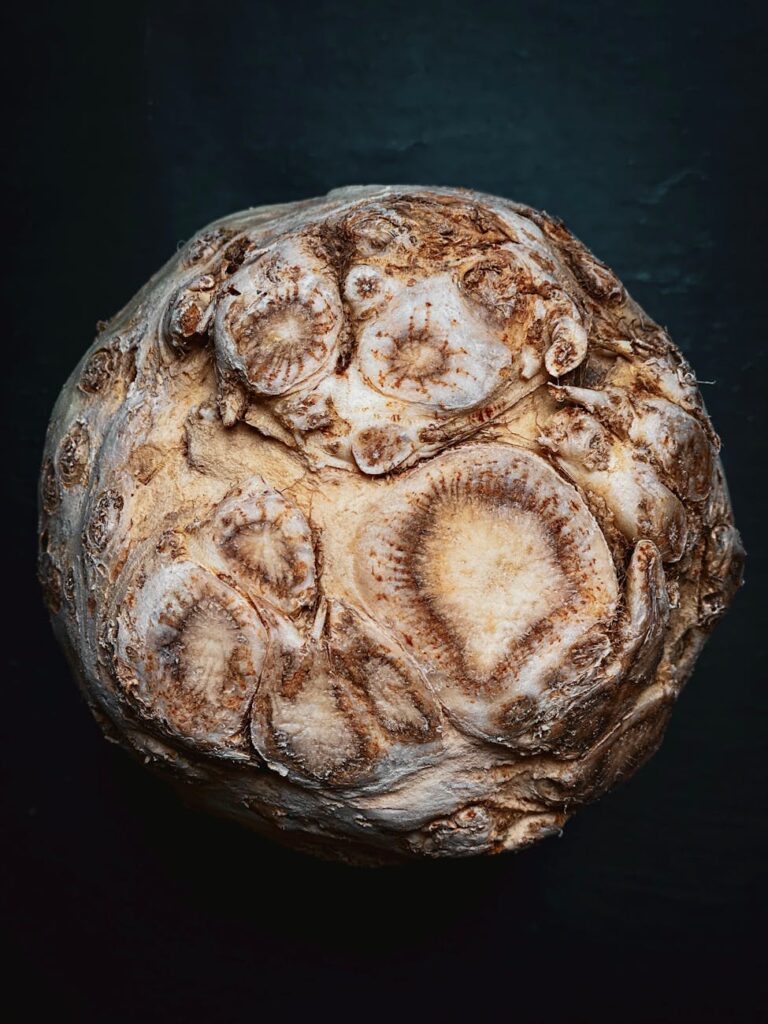
Celeriac Buying Guide Part 7
Introduction
Celeriac, also known as celery root or turnip-rooted celery, is a versatile and nutrient-rich vegetable that has gained popularity in culinary circles worldwide. Its unique flavor profile and texture make it a staple in various dishes, ranging from soups and stews to salads and purées. As with any ingredient, understanding how to buy celeriac is essential for both home cooks and professional chefs alike. This guide will explore the nuances of purchasing celeriac, ensuring that you select the best quality for your culinary endeavors.
What Is Buying?
Buying refers to the process of selecting and acquiring food ingredients, taking into consideration quality, freshness, price, and suitability for particular culinary applications. When it comes to celeriac, buying involves understanding its unique characteristics, knowing how to assess its quality, and being aware of seasonal availability. Proper buying techniques can significantly enhance the culinary experience, ensuring that the ingredient’s best qualities are brought to the forefront in any dish.
History and Origins
Celeriac has a rich history that dates back to antiquity. Originally cultivated in the Mediterranean region, it was first documented by the ancient Greeks and Romans, who valued it for its culinary and medicinal properties. Over the centuries, celeriac spread across Europe, particularly in France and Italy, where it became a popular ingredient in various traditional dishes.
The modern variety of celeriac that we see today was developed in the 19th century. Its cultivation became more widespread with the advent of improved agricultural techniques. Today, celeriac is grown in many temperate regions of the world, including Europe, North America, and parts of Asia, making it accessible to a global market.
Production and Processing
Celeriac is a biennial plant, typically grown as an annual. It requires a temperate climate with well-drained soil to thrive. The seeds are usually sown in early spring, and the plants take several months to mature. During this time, they develop their characteristic bulbous root, which is the edible portion of the plant.
Once harvested, celeriac undergoes minimal processing. Its outer skin is generally rough and knobby, often requiring peeling before consumption. However, many culinary enthusiasts prefer to leave some of the skin on to retain its earthy flavor. Celeriac can be sold fresh, vacuum-packed, or even frozen, depending on the market demand.
In commercial production, celeriac is often treated with care to ensure it remains crisp and free from blemishes. This attention to detail during both cultivation and processing is vital for maintaining the quality and flavor of the root.
Quality and Grading
When purchasing celeriac, quality is paramount. Here are some key factors to consider:
1. Appearance: Look for celeriac that is firm, heavy for its size, and free from soft spots or blemishes. The skin should be intact and not overly dried out.
2. Size: While size can vary, medium-sized bulbs (about the size of a grapefruit) are typically ideal for most culinary applications. Larger bulbs may be woody or fibrous.
3. Color: The skin of fresh celeriac should be a light beige to pale brown, indicating freshness. Avoid roots that appear discolored or have dark spots.
4. Texture: A quality celeriac should feel solid and dense. Avoid any that feel spongy or have a hollow sound when tapped.
Grading systems for celeriac vary by region, but generally, A-grade celeriac is the best quality, while B-grade may have minor imperfections but is still suitable for cooking.
Buying Considerations
When buying celeriac, several considerations can enhance your selection process:
1. Seasonality: Celeriac is typically in season from late fall through early spring. Purchasing during peak season can ensure better flavor and quality.
2. Source: Local farmers’ markets often provide fresher, higher-quality produce than large grocery chains. If possible, buy directly from local producers who prioritize sustainability and quality.
3. Organic vs. Conventional: Consider opting for organic celeriac if you want to avoid pesticides and chemicals. Organic produce is generally grown under stricter regulations, ensuring a more natural growing process.
4. Storage Conditions: Check how the celeriac has been stored before purchase. It should be kept in a cool, dry environment, away from direct sunlight, to maintain its freshness.
5. Price: While price can vary significantly depending on the source and season, be wary of unusually low prices that may indicate poor quality.
6. Preparation Needs: Consider how much prep work you are willing to do. Celeriac often requires peeling and trimming before use, so factor in this time when planning your meals.
Uses and Applications
Celeriac is a multifaceted ingredient that can be used in various culinary applications. Its nutty, celery-like flavor pairs well with both earthy and bright ingredients. Here are some ways celeriac can be utilized:
- Soups and Purees: Celeriac adds depth to soups and can be blended into creamy purées, providing a rich, velvety texture.
- Roasting: When roasted, celeriac caramelizes beautifully, enhancing its natural sweetness. It can be cut into wedges or cubes and tossed with olive oil and herbs before being roasted to perfection.
- Salads: Shredded raw celeriac adds a crunchy texture to salads, often paired with apples, nuts, or citrus for a refreshing contrast.
- Substitutes: Celeriac can be used as a lower-carb substitute for potatoes in mash or gratin dishes, offering a unique flavor twist.
- Pickling: The root can also be pickled to create vibrant accompaniments for various dishes,