
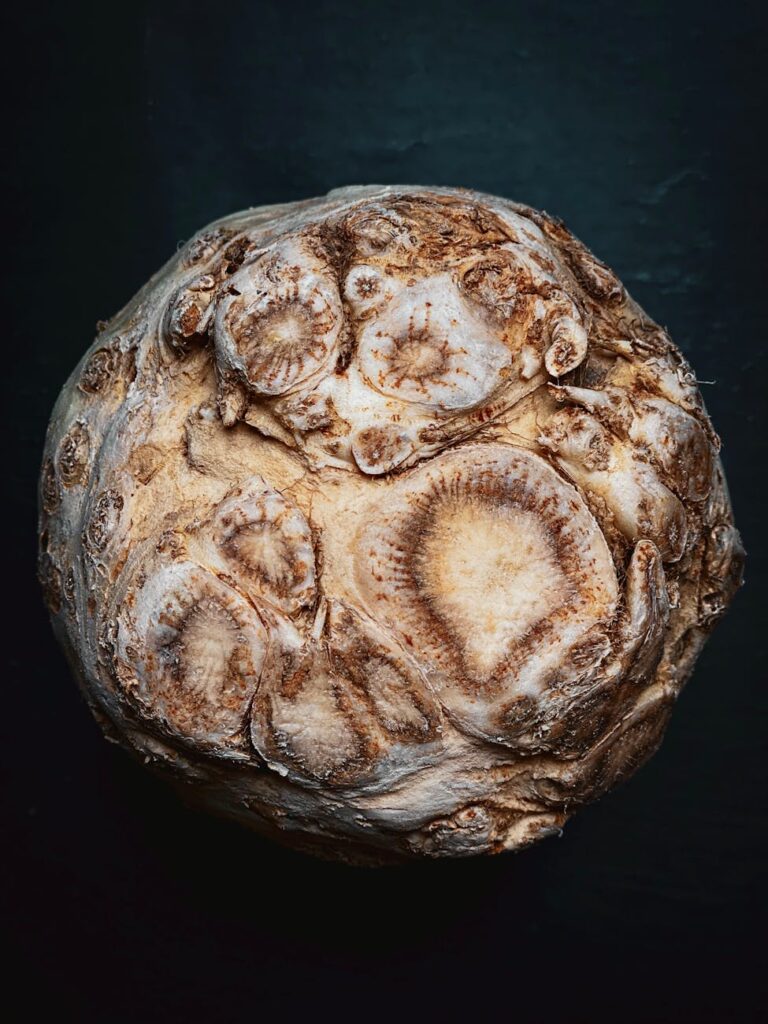
Celeriac FAQs Answered
Introduction
Celeriac, also known as celery root, is a unique and versatile root vegetable that belongs to the Apiaceae family, which includes familiar herbs and vegetables such as carrots, parsley, and, of course, celery. Its distinctive appearance, characterized by a knobby, rough exterior, belies its creamy white interior, which offers a subtle flavor reminiscent of its more popular sibling, celery. This article aims to provide a comprehensive guide to celeriac, exploring its history, production, uses, and addressing common questions to deepen your understanding of this often-overlooked ingredient.
What Is Celeriac?
Celeriac (Apium graveolens var. rapaceum) is a cultivated variety of celery grown specifically for its edible root. While it bears a strong resemblance to a turnip or parsnip, celeriac is distinct in both flavor and culinary use. The plant typically grows to about 12 inches (30 cm) in height and produces a bulbous root that can weigh up to 2-3 pounds (1-1.5 kg). It is particularly favored in European cuisine, where it is used in salads, soups, and purees, and increasingly gaining popularity in other regions.
History and Origins
Celeriac has a rich history that dates back to ancient times. It is believed to have originated in the Mediterranean region, specifically in countries such as Italy and Greece, where wild celery was first cultivated. Historical records suggest that celeriac was used as early as the ancient Romans, who valued it not only for its culinary uses but also for its medicinal properties.
The vegetable gained prominence in Europe during the 17th century and became fully cultivated in France and other countries by the 19th century. Its adaptability to various climates has allowed it to spread beyond Europe, and today it is grown in many regions worldwide, including North America and parts of Asia.
Production and Processing
Celeriac thrives in temperate climates and prefers well-drained, fertile soil. The planting season typically begins in spring, with seeds sown indoors and later transplanted outside after the last frost. Celeriac requires a long growing season, generally around 90 to 120 days, during which it develops its distinctive root.
Harvesting occurs in late autumn when the roots reach a desirable size. Farmers usually remove the tops of the plant to minimize moisture loss during storage. After harvesting, celeriac may undergo several processing stages, including washing, peeling, and cutting, depending on its intended use. While fresh celeriac is often available, it can also be found in frozen or pre-packaged forms, making it more accessible to consumers.
Quality and Grading
Quality celeriac is characterized by a firm, heavy texture without soft spots or blemishes. The skin should be rough yet intact, and the root should exhibit a creamy, pale color, indicating freshness. When grading celeriac, factors such as size, shape, and absence of defects are evaluated. Standard grades may include:
- Fancy Grade: Large, uniform roots with minimal blemishes.
- No. 1 Grade: Slightly smaller and less uniform but still high-quality.
- No. 2 Grade: Smaller roots with more noticeable imperfections, suitable for processing.
- Raw: Celeriac can be grated or julienned for salads, providing a crunchy texture and refreshing taste.
- Cooked: It can be boiled, roasted, or sautéed. When cooked, celeriac develops a sweet, nutty flavor that enhances various dishes.
- Purées: Blending celeriac into a smooth purée creates a luxurious side dish that pairs well with meats and fish.
- Soups and Broths: Its earthy flavor makes celeriac an ideal base for soups, providing depth without overpowering other ingredients.
- Fermentation: Celeriac can also be pickled or fermented, offering a unique tangy flavor that can elevate a variety of dishes.
Understanding the grading system can help consumers make informed purchasing decisions, particularly in culinary applications where quality is essential.
Buying Considerations
When purchasing celeriac, several factors warrant attention:
1. Freshness: Look for roots that feel heavy for their size with a firm texture. Avoid those that are soft or have sprouted.
2. Appearance: Choose celeriac with a smooth, unblemished skin. Minor imperfections are acceptable but should not be extensive.
3. Size: Larger celeriac may be more fibrous, while smaller roots tend to be sweeter and more tender. Depending on your culinary needs, select accordingly.
4. Seasonality: Celeriac is typically in season from late fall to early spring. Buying in season can ensure better quality and flavor.
5. Organic vs. Conventional: Consider whether you prefer organically grown celeriac, which may come with a higher price but is free from synthetic pesticides and fertilizers.
Uses and Applications
Celeriac is a culinary chameleon, finding its way into a variety of dishes across numerous cuisines. Its flavor profile is mild yet distinct, making it an excellent addition to soups, stews, and purees. Here are some common uses:
Storage and Shelf Life
Proper storage is crucial for maintaining the freshness and quality of celeriac. When stored in a cool, dark place, such as a root cellar or the crisper drawer of a refrigerator, whole celeriac can last up to several weeks. Here are some tips for optimal storage:
1. Keep it Whole: Avoid peeling or cutting celeriac until you are ready to use it, as exposure to air can lead to oxidation and spoilage.
2. Moisture Control: Wrap celeriac in a damp cloth or store it