
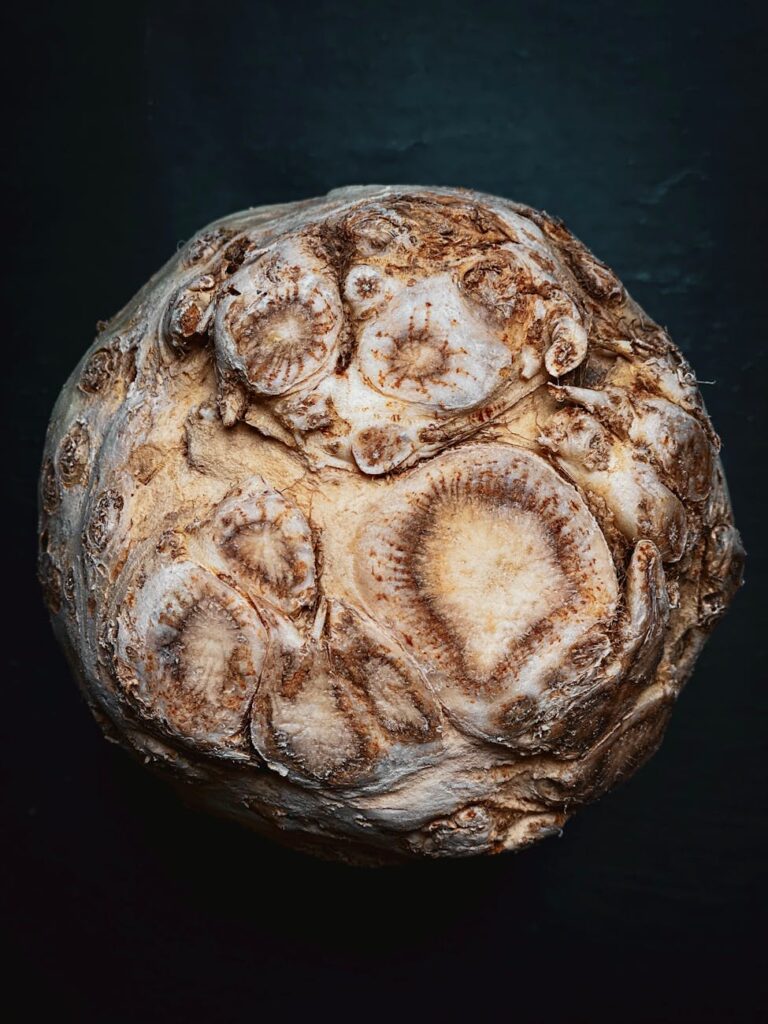
Celeriac Grading Explained
Introduction
Celeriac, also known as celery root or Apium graveolens var. rapaceum, is a unique root vegetable known for its distinct flavor and versatility in various culinary applications. As the farm-to-table movement continues to emphasize the importance of quality ingredients, understanding the grading and purchasing process for celeriac becomes essential for chefs, home cooks, and food enthusiasts alike. This article delves into the intricacies of celeriac grading, providing a comprehensive overview that will guide informed buying decisions.
What Is Buying?
In the context of food ingredients, buying refers to the process of selecting and purchasing agricultural products based on specific criteria, including quality, freshness, and price. For celeriac, this involves understanding its characteristics, grading systems, and market trends. Buyers, whether they are retailers, chefs, or consumers, must navigate these aspects to ensure they acquire the best possible product for their needs.
History and Origins
Celeriac has a rich history, tracing its origins back to the Mediterranean region. Historical records suggest that it was cultivated by the ancient Greeks and Romans, primarily for its leaves and seeds. Over time, the root became popular in Europe, particularly in France and Italy, where it was embraced for its culinary applications and nutritional benefits. Today, celeriac is grown in various climates worldwide, including Europe, North America, and parts of Asia.
Production and Processing
Celeriac is typically cultivated in temperate regions, thriving in well-drained, fertile soil. The growing process spans several months, requiring specific conditions to achieve optimal flavor and texture. Farmers must carefully monitor factors such as water availability, sunlight, and pest control throughout the growing season.
Once harvested, celeriac undergoes processing that may include washing, peeling, and packaging. Proper handling is crucial to maintain its quality and extend shelf life. The grading of celeriac begins during this stage, where visual inspections help classify the roots based on size, shape, and external blemishes.
Quality and Grading
The quality of celeriac is determined by a set of criteria that buyers should be familiar with to make informed decisions. Grading systems may vary by region, but common standards include:
1. Size: Celeriac is typically graded by weight. Higher grades often consist of larger, heavier roots, which are generally preferred for their flavor and texture.
2. Shape: Ideal celeriac roots are round to oval with a uniform shape. Irregularities can indicate poor growing conditions or diseases.
3. Surface Condition: The skin should be firm and free of significant blemishes, cuts, or soft spots. Minor imperfections may be acceptable, but excessive damage can lead to spoilage.
4. Color: A healthy celeriac root exhibits a pale, creamy color. A darker or discolored surface may signal age or poor quality.
5. Firmness: Fresh celeriac should feel solid and heavy for its size. Soft or spongy roots may be past their prime.
Grading not only affects market value but also influences consumer perception. Higher-grade celeriac typically commands a higher price, reflecting its quality and desirability in culinary applications.
Buying Considerations
When purchasing celeriac, various factors should be considered to ensure quality and freshness:
1. Seasonality: Celeriac is typically harvested in the fall and winter months. Buying in season can enhance flavor and availability.
2. Source: Seek out local farms or reputable suppliers who prioritize quality and sustainable practices. Organic options may also be available, offering a more environmentally friendly choice.
3. Storage: Consider how you plan to store celeriac after purchase. Fresh roots can last several weeks if kept in a cool, dark place, but they can deteriorate rapidly if exposed to heat or excess moisture.
4. Visual Inspection: Always examine celeriac for signs of quality. Look for firm, blemish-free roots, and avoid those with soft spots or extensive discoloration.
5. Price: Be aware of the price range for celeriac in your area. While higher grades may cost more, understanding the market can help you gauge whether you’re getting good value.
Uses and Applications
Celeriac is a versatile ingredient, finding its way into various culinary applications. Its unique flavor profile—earthy and slightly nutty—makes it suitable for:
1. Soups and Stews: Celeriac adds depth and richness to broths and stews, enhancing the overall flavor profile.
2. Purees: Mashed or pureed celeriac offers a creamy alternative to traditional potato dishes, providing a low-carb option.
3. Salads: Raw celeriac can be thinly sliced or julienned, adding a crunchy texture to salads.
4. Roasting: When roasted, celeriac develops a sweet, caramelized flavor that can complement various proteins.
5. Garnishes: Celeriac can be used in fine dining as a garnish or element of plating, showcasing its visual appeal and unique flavor.
The versatility of celeriac makes it a valuable ingredient across diverse cuisines, from rustic dishes to gourmet presentations.
Storage and Shelf Life
Proper storage is crucial for maintaining the quality of celeriac after purchase. Here are best practices for storage and ensuring longevity:
1. Cool Temperature: Store celeriac in a cool, dark place, ideally in a refrigerator. The ideal temperature range is between 32°F to 40°F (0°C to 4°C).
2. Moisture Control: Keep celeriac in a perforated plastic bag to allow for air circulation while retaining some moisture. Excess humidity can lead to rot.
3. Avoid Ethylene Gas: Celeriac should be stored