
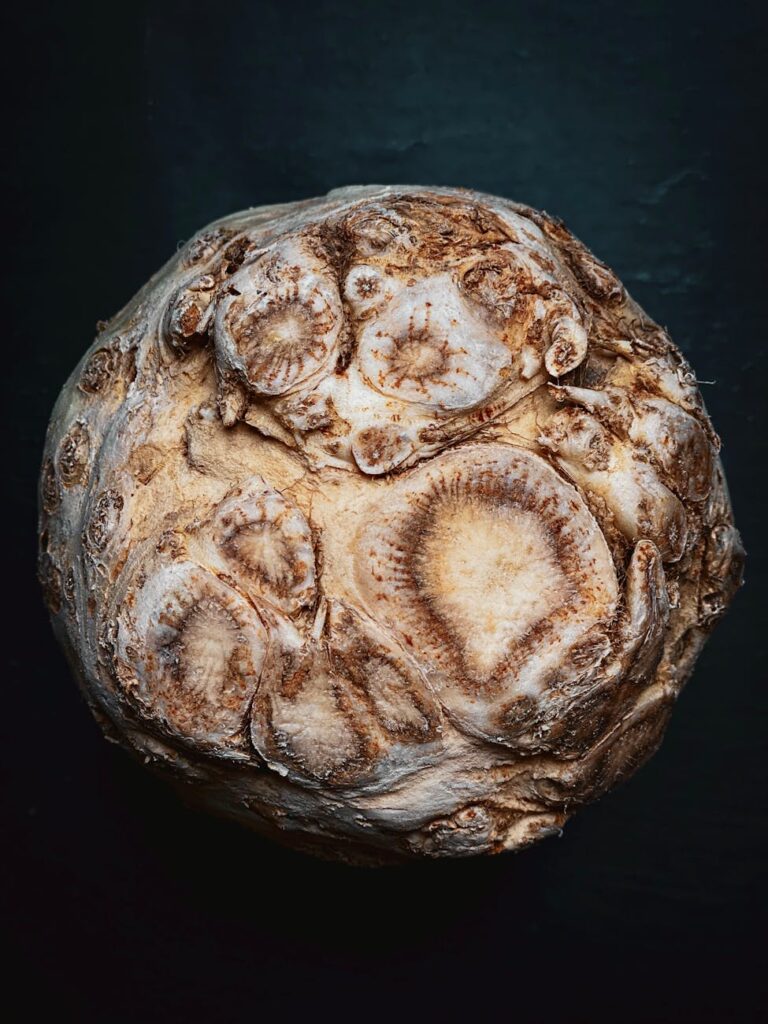
Celeriac Growing Guide Part 7
Introduction
Celeriac, scientifically known as Apium graveolens var. rapaceum, is a unique root vegetable that has gained popularity in culinary circles for its distinctive flavor and versatility. As the world of gastronomy continues to explore diverse ingredients, understanding the growing process of celeriac is crucial for both home gardeners and commercial producers. This guide delves into the intricacies of growing celeriac, from its history and origins to its uses and storage.
What Is Growing?
The term “growing” encompasses the entire process of cultivating a plant from seed to harvest. In the context of celeriac, growing involves selecting the right variety, preparing the soil, planting, nurturing the plant through its growth stages, and ensuring optimal conditions for yield and quality. Each step is vital for achieving a successful harvest and understanding the unique needs of celeriac will help both novice and experienced gardeners alike.
History and Origins
Celeriac has a rich history that dates back to ancient civilizations. Originally cultivated in the Mediterranean region, it is believed that wild celery was first domesticated in the Mediterranean basin over 2,000 years ago. Ancient Greeks and Romans valued celery for its medicinal properties and culinary uses.
The celeriac variety, which is specifically cultivated for its swollen root, emerged in Europe during the Middle Ages. By the 18th century, it was well-established in French cuisine, where it was referred to as “céleri-rave.” Today, celeriac is cultivated in various regions around the world, with Europe being the primary producer, particularly in countries like France, Germany, and Italy.
Production and Processing
Cultivation Practices
Celeriac is a biennial plant, typically grown as an annual in temperate climates. It thrives in well-drained, fertile soil with a pH level between 6.0 and 7.0. The growing season for celeriac spans approximately 120 to 180 days, requiring careful planning for sowing and harvesting.
1. Soil Preparation: Before planting, amend the soil with organic matter such as compost or well-rotted manure to enhance fertility and drainage. Tilling the soil to a depth of 12 to 15 inches is recommended to create a suitable environment for root development.
2. Sowing Seeds: Celeriac seeds are small and should be sown indoors 10 to 12 weeks before the last frost date. Transplanting outdoors occurs once seedlings have developed a few true leaves and the risk of frost has passed.
3. Spacing: When transplanting, space seedlings approximately 12 inches apart in rows that are 24 to 30 inches apart. This spacing allows for ample growth of the root and foliage.
4. Watering and Fertilization: Consistent moisture is essential for celeriac, particularly during dry spells. Drip irrigation or soaker hoses can be effective methods for maintaining soil moisture. Fertilize with a balanced fertilizer, applying it once every month during the growing season.
5. Pest and Disease Management: Common pests include aphids, slugs, and root maggots. Integrated pest management techniques, including crop rotation and the use of pheromone traps, can help mitigate infestations. Diseases such as blight and downy mildew can be controlled through proper spacing, air circulation, and the application of fungicides when necessary.
Harvesting
Harvesting celeriac typically begins in late summer to early fall when the roots reach a size of 3 to 4 inches in diameter. Gently lift the roots from the soil using a fork, being careful not to damage them. Celeriac is often sold with its leafy tops, which can also be used in various culinary applications.
Quality and Grading
The quality of celeriac is determined by several factors, including size, shape, and surface condition. When assessing celeriac:
1. Size: Ideally, celeriac should weigh between 1 to 2 pounds. Larger roots may become woody and less flavorful.
2. Shape: The roots should be round to oval, with a smooth surface. Irregular or deformed shapes may indicate poor growing conditions.
3. Surface Condition: The skin should be firm and free from blemishes, soft spots, or rot. A greenish tint on the skin may indicate exposure to sunlight and should be avoided.
Grading standards may vary by region, but high-quality celeriac typically falls under the “U.S. No. 1” grade, indicating superior quality.
Buying Considerations
When purchasing celeriac, whether at a local market or grocery store, consider the following:
1. Freshness: Look for roots that are firm and heavy for their size. Avoid celeriac with soft spots or signs of decay.
2. Leaves: If available with tops, fresh, green leaves indicate that the root is likely fresh and well-cared for.
3. Seasonality: Celeriac is typically in season from late fall to early spring. Buying during this time ensures a fresher product.
4. Organic Options: If possible, opt for organic celeriac to avoid pesticide residues and support sustainable farming practices.
Uses and Applications
Celeriac is a versatile ingredient that can be employed in various culinary applications. Its flavor is often described as a blend of celery and parsley, with a slightly nutty undertone.
Culinary Uses
1. Raw Preparations: Celeriac can be julienned or grated for use in salads and slaws. Its crunchy texture adds a delightful contrast to softer ingredients.
2. Cooked Dishes: Celeriac can be roasted, mashed, or pureed, making it an excellent alternative to potatoes in