
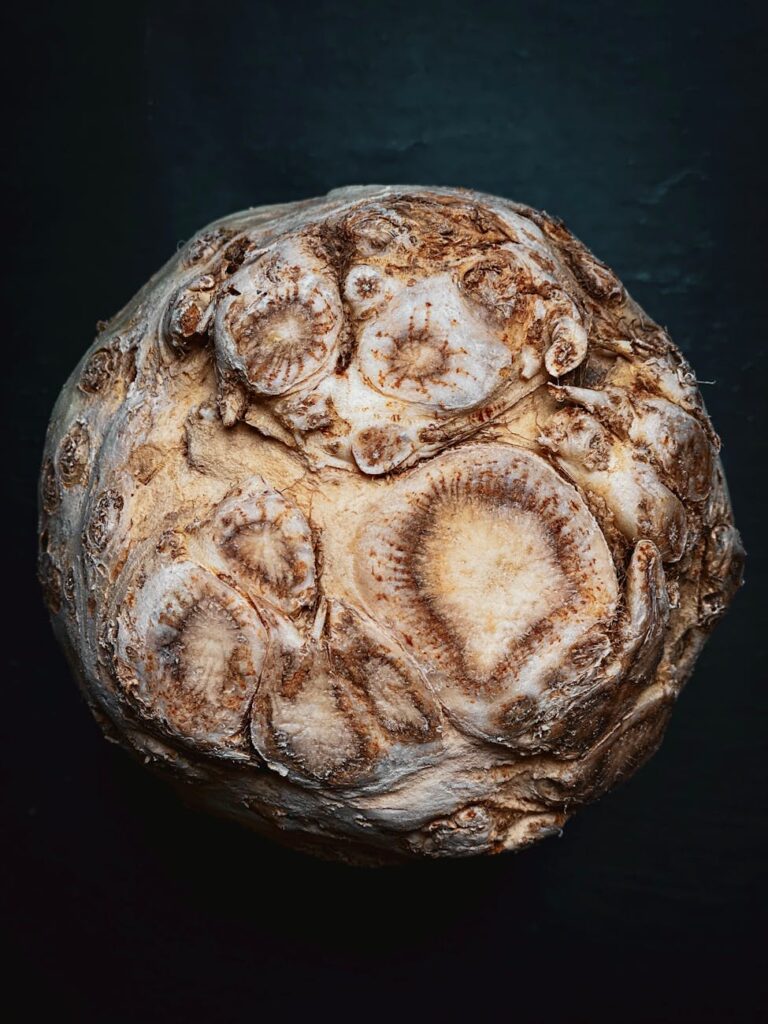
Celeriac in Traditional Cuisine
Introduction
Celeriac, also known as celery root or knob celery, is a versatile root vegetable belonging to the Apiaceae family, which includes carrots, parsley, and fennel. This unique ingredient is celebrated for its distinct flavor and culinary adaptability, making it a staple in various traditional cuisines around the world. Its earthy, nutty taste and firm texture allow it to be utilized in an array of dishes, from soups and stews to salads and purees. This article delves into the traditional uses of celeriac, exploring its history, production, applications, and much more.
What Is Uses?
In the culinary context, “uses” refers to the various ways an ingredient can be incorporated into dishes, enhancing flavor, texture, and nutritional value. For celeriac, its uses span a wide range of traditional cooking methods and cultural recipes. This root vegetable is not only valued for its unique taste but also for its ability to complement other ingredients, making it a favorite among chefs and home cooks alike.
History and Origins
Celeriac has its origins in the Mediterranean region, where wild celery plants grew abundantly. Historical records suggest that its cultivation began in ancient times, particularly in Europe, where it was initially valued for its medicinal properties rather than culinary applications. By the Middle Ages, celeriac started gaining popularity as a food source, particularly in France and Italy, where it became a key ingredient in many traditional dishes.
The vegetable was introduced to North America in the 19th century and has since found its way into various regional cuisines. Today, celeriac is cultivated in many temperate regions, with Europe and North America being significant producers. Its rise in popularity in recent years can be attributed to the growing interest in root vegetables and a resurgence of farm-to-table cuisine.
Production and Processing
Celeriac thrives in cool climates, requiring a growing season of 120 to 150 days. It is typically planted in late spring and harvested in the fall. The plant prefers well-drained, fertile soil rich in organic matter, and adequate moisture is essential for optimal growth. During cultivation, farmers often employ crop rotation and sustainable agricultural practices to ensure soil health and reduce pest issues.
Once harvested, celeriac undergoes various processing steps before reaching consumers. After harvesting, the roots are cleaned and trimmed to remove any excess dirt and leaves. They are then sorted based on size, appearance, and quality, ensuring that only the best specimens are packaged for sale. Proper handling during processing is crucial to maintain the vegetable’s integrity and flavor.
Quality and Grading
Quality grading of celeriac is essential for both producers and consumers. Factors influencing quality include size, shape, and surface appearance. High-quality celeriac should be firm, with a smooth, unblemished exterior and minimal signs of bruising or discoloration. The roots should feel heavy for their size, indicating a high water content and freshness.
In commercial markets, celeriac is typically classified into different grades. The highest grade is usually reserved for larger, uniform roots with a smooth surface. Lower grades may exhibit size discrepancies, blemishes, or imperfections. Understanding these grading systems can help consumers make informed choices when purchasing celeriac.
Buying Considerations
When selecting celeriac, several factors should be considered to ensure optimal quality and flavor. Freshness is paramount; look for roots that feel heavy and firm, avoiding any that are soft or shriveled. The skin should be free of blemishes and dark spots, which can indicate spoilage.
If possible, buy celeriac from local farmers’ markets, as this often guarantees fresher produce. Additionally, consider organic options, as these may offer a superior flavor profile and are typically grown without synthetic fertilizers or pesticides. Celeriac can be found year-round, but its peak season is in the fall and winter months.
Uses and Applications
Celeriac’s unique flavor and texture make it a versatile ingredient in traditional cuisine. Here are some of the primary uses:
Soups and Stews
Celeriac is commonly used in soups and stews, where it adds depth and richness. Its earthy flavor pairs well with other root vegetables and meats. Classic French dishes, such as celeriac and potato soup, showcase the vegetable’s ability to create a creamy, comforting base.
Salads
Raw celeriac is often shredded or julienned in salads, providing a crunchy texture and refreshing flavor. In traditional European cuisines, it is frequently combined with apples and a tangy dressing to create a vibrant slaw that enhances the palate.
Purees and Mash
Celeriac can be boiled and mashed, serving as a delicious alternative to traditional mashed potatoes. Its creamy consistency and subtle flavor make it a suitable base for various sauces and gravies.
Roasting
Roasting celeriac caramelizes its natural sugars, resulting in a sweet, nutty flavor. It can be served as a side dish or incorporated into gratins and casseroles, where it complements other roasted vegetables.
Pickling
In some cuisines, celeriac is pickled to enhance its flavor and add a tangy element to dishes. Pickled celeriac can be used as a condiment for meats and sandwiches, providing a refreshing contrast.
Garnishes
Celeriac leaves can be used as a garnish, imparting a mild celery flavor to dishes. The leaves are often used in stocks and broths, enhancing the overall flavor profile.
Storage and Shelf Life
Proper storage is crucial for maintaining the quality of celeriac. When stored in a cool, dark place, such as a root cellar, celeriac can last several months. If kept in the refrigerator, it should be placed in a perforated plastic bag to allow for airflow while retaining moisture. Under ideal conditions, celeriac can remain fresh for up to three weeks.