
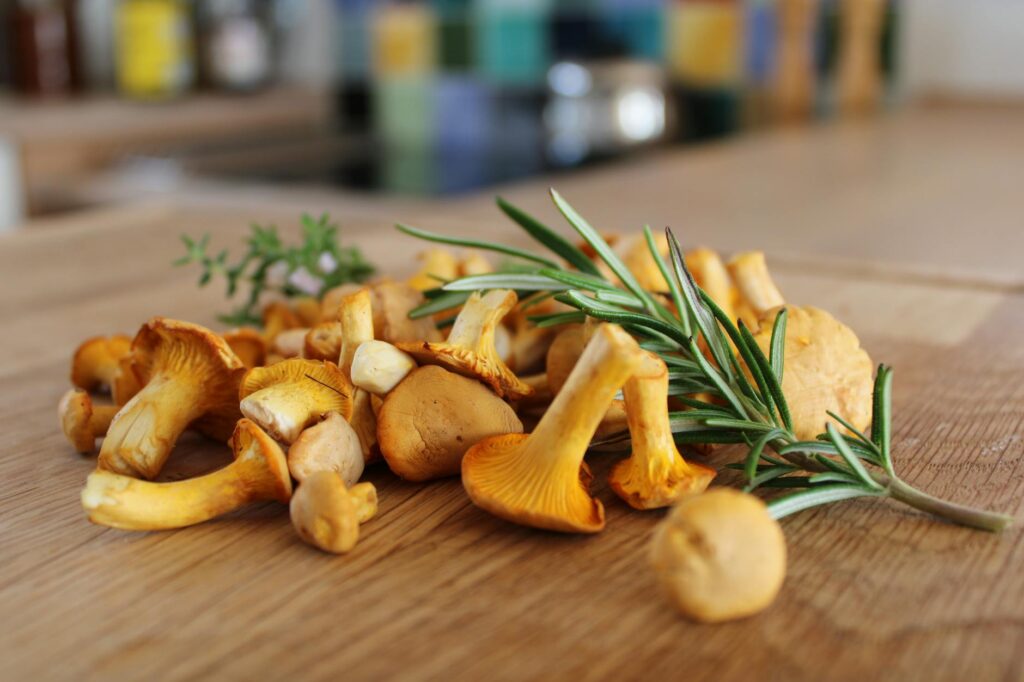
Chanterelle Around the World
Introduction
Chanterelles are among the most sought-after wild mushrooms, celebrated for their unique flavor, vibrant color, and diverse culinary applications. Known scientifically as Cantharellus, these fungi thrive in various habitats around the globe, each region contributing unique characteristics that enhance their appeal. This article delves into the regions where chanterelles flourish, exploring their history, production, quality grading, and more.
What Is Regions?
In the context of food ingredients, “regions” refers to the geographical areas where specific ingredients are cultivated, harvested, or foraged. Each region possesses distinct environmental conditions, including climate, soil composition, and native flora, which influence the growth and flavor profiles of the ingredients produced there. For chanterelles, this means understanding the various ecosystems that support their growth and the cultural practices surrounding their harvest and use.
History and Origins
Chanterelles have a rich history that dates back centuries. Indigenous peoples in Europe and North America have long foraged these mushrooms, integrating them into traditional diets. The name “chanterelle” is derived from the French word “chanter,” meaning “to sing,” a nod to the mushroom’s vibrant golden hue and the joy it brings to those who forage and cook with it.
Historically, chanterelles were not just a culinary delight but also held cultural significance in various regions. In Scandinavian countries, for instance, they are celebrated in harvest festivals, while in France they are a staple in haute cuisine. As global interest in wild mushrooms has surged, so has the economic value of chanterelles, leading to regulated foraging practices and sustainable harvesting efforts, particularly in regions like North America and Europe.
Production and Processing
Chanterelles are predominantly wild foraged rather than cultivated, which makes their availability seasonal and highly dependent on local ecosystems. They thrive in temperate forests, often found in association with trees such as oaks, pines, and birches, forming mycorrhizal relationships that benefit both the fungi and the trees.
Regional Production
1. North America: The Pacific Northwest, particularly Oregon and Washington, is famous for its chanterelle production. The region’s moist climate and rich soil create ideal conditions for these mushrooms. Harvesting typically occurs from late summer through early fall.
2. Europe: Countries like France, Germany, and Sweden are also renowned for their chanterelle populations. In France, they are often found in the forests of Brittany and Normandy. European chanterelles are celebrated for their delicate texture and pronounced flavor.
3. Asia: In regions like Japan and China, chanterelles are less common but still present. They may be found in specific forested areas, especially in the northern parts of these countries.
Processing
Once harvested, chanterelles must be handled with care to maintain their quality. They are typically cleaned gently to remove dirt and debris, as aggressive washing can damage their delicate structure. For commercial distribution, they may be packaged fresh, dried, or frozen. Drying is a popular method to preserve their intense flavor, making them available year-round.
Quality and Grading
The quality of chanterelles can vary significantly based on several factors, including size, color, and texture. When assessing chanterelles, buyers should consider:
- Color: High-quality chanterelles exhibit a vibrant golden-yellow hue. Dull or brownish mushrooms may indicate age or poor quality.
- Texture: Fresh chanterelles should be firm and slightly moist to the touch. A slimy or overly dry texture suggests spoilage.
- Size: While smaller chanterelles are often more flavorful, some chefs prefer larger specimens for presentation purposes.
- Source: Always inquire about the origin of the mushrooms. Foraged chanterelles are typically of higher quality than cultivated ones, but ensure they are sourced sustainably.
- Seasonality: Be aware of the season in your region. Fresh chanterelles are usually available from late summer to early fall. Off-season, consider dried or frozen options.
- Visual Inspection: Look for mushrooms that are firm, brightly colored, and free from blemishes. Avoid any with a musty smell or excessive moisture.
- Sautéing: Chanterelles are often sautéed in butter or olive oil, allowing their flavors to shine. They pair well with garlic, herbs, and other vegetables.
- Soups and Stews: Their flavor profile makes them an excellent addition to soups and stews, adding depth and richness.
- Pasta Dishes: Chanterelles can elevate pasta dishes, providing a sophisticated touch when paired with cream sauces or simple olive oil.
- Garnishing: Chefs often use chanterelles as a garnish for meats or fish, enhancing both the presentation and flavor.
- Fresh Chanterelles: Store them in a paper bag in the refrigerator. Avoid plastic bags, as they trap moisture and can lead to spoilage. Fresh chanterelles typically last about 5 to 7 days.
Grading systems vary by region but generally categorize chanterelles into grades based on the aforementioned characteristics. The best quality is typically reserved for those sold to high-end restaurants and gourmet markets.
Buying Considerations
When purchasing chanterelles, it is essential to consider the following:
Purchasing from local farmers’ markets or specialty stores can also help ensure you receive the freshest product.
Uses and Applications
Chanterelles are incredibly versatile in culinary applications, appreciated for their earthy, peppery flavor and meaty texture. Common uses include:
Beyond traditional uses, innovative chefs are exploring chanterelles in various cuisines, incorporating them into dishes like tacos and risottos, showcasing their adaptability.
Storage and Shelf Life
Proper storage is crucial for maintaining the quality of chanterelles. Here are some guidelines: