
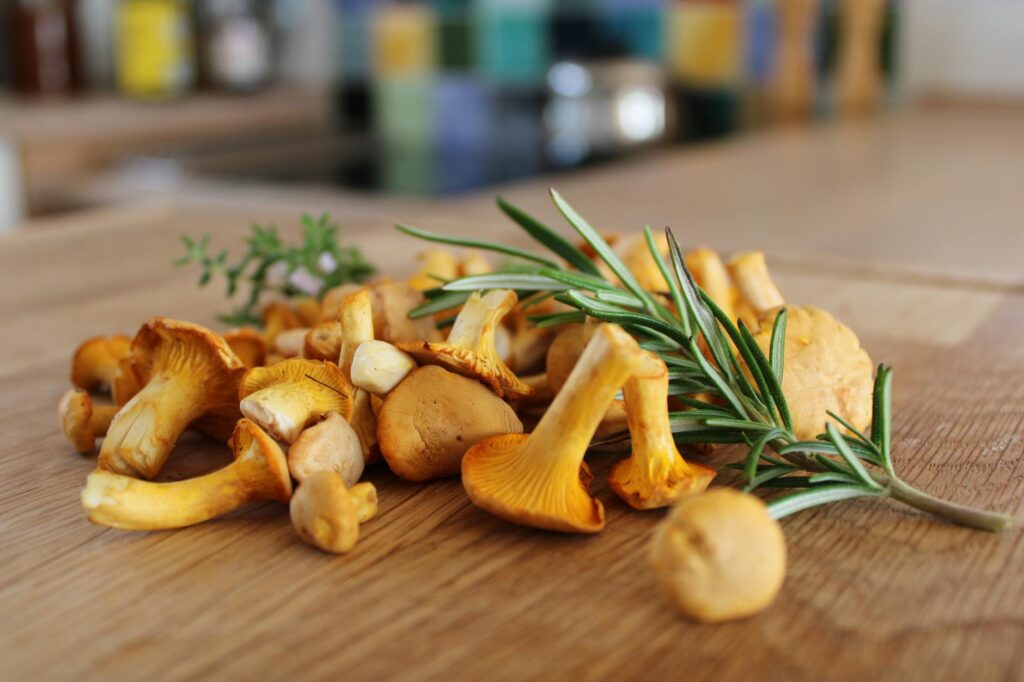
Chanterelle in Traditional Cuisine
Introduction
Chanterelles (Cantharellus spp.) are among the most revered wild mushrooms in culinary traditions around the globe. Their unique flavor, characterized by a delicate balance of sweetness and earthiness, along with a distinctive, slightly peppery aroma, makes them a prized ingredient in kitchens worldwide. This article delves into the multifaceted uses of chanterelles in traditional cuisine, exploring their historical significance, production methods, grading systems, and more.
What Is Uses?
The term “uses” refers to the various applications and roles that an ingredient can play in cooking and food preparation. For chanterelles, their uses span from enhancing the flavor profile of dishes to serving as a central ingredient in gourmet meals. Understanding the breadth of chanterelle applications helps chefs and home cooks alike appreciate their culinary potential.
History and Origins
Chanterelles have a long history, with references dating back to ancient times. They are believed to have originated in temperate forests of Europe and North America. Their popularity surged in the Middle Ages, where they were foraged and incorporated into traditional dishes across various European cultures, particularly in France and Germany.
In Scandinavian cuisine, chanterelles hold a special place, often appearing in cream sauces and as accompaniments to game meats. They are also integral to many indigenous cultures, where they have been traditionally foraged and used in local culinary practices. As culinary explorations expanded, chanterelles found their way into Asian and North American cuisines, adapting to various cooking styles and flavors.
Production and Processing
Chanterelles are wild mushrooms, primarily harvested from forested areas where they grow symbiotically with tree roots. This natural growth process makes them a seasonal delicacy, typically emerging in late summer to early fall. The delicate nature of chanterelles makes them susceptible to overharvesting, leading to sustainable foraging practices being emphasized among both commercial and amateur foragers.
After harvesting, chanterelles undergo a careful cleaning process to remove dirt and debris, preserving their fragile structure. They are often sold fresh, but can also be found dried or canned. Dried chanterelles offer a concentrated flavor and can be rehydrated for various culinary applications.
Quality and Grading
The quality of chanterelles is determined by several factors, including size, color, and firmness. High-quality chanterelles are bright yellow to golden in color, with a firm texture and a pleasant aroma. They should be free from blemishes, mold, or excessive moisture.
Grading systems may vary by region, but they generally categorize chanterelles into grades based on their appearance and freshness. Grade A chanterelles are the most desirable, while lower grades may be suitable for cooked dishes where appearance is less critical.
Buying Considerations
When purchasing chanterelles, buyers should consider several factors to ensure they are getting the best product:
1. Freshness: Look for firm, plump mushrooms with a vibrant color and a pleasant smell. Avoid those that appear wilted or slimy.
2. Source: If possible, buy from reputable foragers or suppliers who prioritize sustainable harvesting practices.
3. Seasonality: Chanterelles are seasonal; thus, availability may vary. Understanding peak harvest times can enhance your chances of acquiring fresh mushrooms.
4. Form: Decide whether you want fresh, dried, or canned chanterelles based on your intended use. Fresh mushrooms are ideal for immediate use, while dried chanterelles are excellent for long-term storage and flavor enhancement.
Uses and Applications
Chanterelles are incredibly versatile and can be utilized in numerous culinary applications:
Sautéing and Searing
Chanterelles are often sautéed in butter or olive oil, enhancing their natural flavors. This method allows the mushrooms to caramelize slightly, bringing out their sweet and nutty notes. They can be served as a side dish, incorporated into pasta, or used as a topping for meats.
Soups and Broths
Chanterelles add depth to soups and broths, imparting a rich umami flavor. They can be blended into creamy soups or used as a garnish in clear broths, providing both visual appeal and flavor complexity.
Risottos and Grain Dishes
In dishes like risotto, chanterelles bring a luxurious texture and taste. Their unique flavor complements the creaminess of the dish, making it a favorite among chefs looking to create elevated comfort food.
Sauces and Condiments
Chanterelles can be incorporated into sauces, such as cream or wine reductions, to enhance the overall dish. Their flavor profile pairs well with proteins, making them an ideal addition to sauces served with chicken, fish, or game meats.
Stuffing and Fillings
Chanterelles can be used in stuffing for meats, poultry, and vegetables. Their earthy flavor complements a range of ingredients, from grains to cheese, making them a versatile filling option.
Preservation
Due to their delicate nature, fresh chanterelles may not have a long shelf life. However, they can be preserved through various methods, including drying or pickling. Dried chanterelles can be rehydrated in warm water or stock for later use, retaining much of their original flavor.
Storage and Shelf Life
Fresh chanterelles should be stored in a paper bag in the refrigerator, ideally consumed within a few days of purchase to maintain their quality. Avoid plastic bags, as they can trap moisture and lead to spoilage.
Dried chanterelles, on the other hand, have a much longer shelf life and should be stored in an airtight container in a cool, dark place. When properly stored, they can last for several months to a year, depending on the conditions.
Common Misconceptions
Despite their popularity, several misconceptions about chanterelles persist:
1. All Chanterelles are