
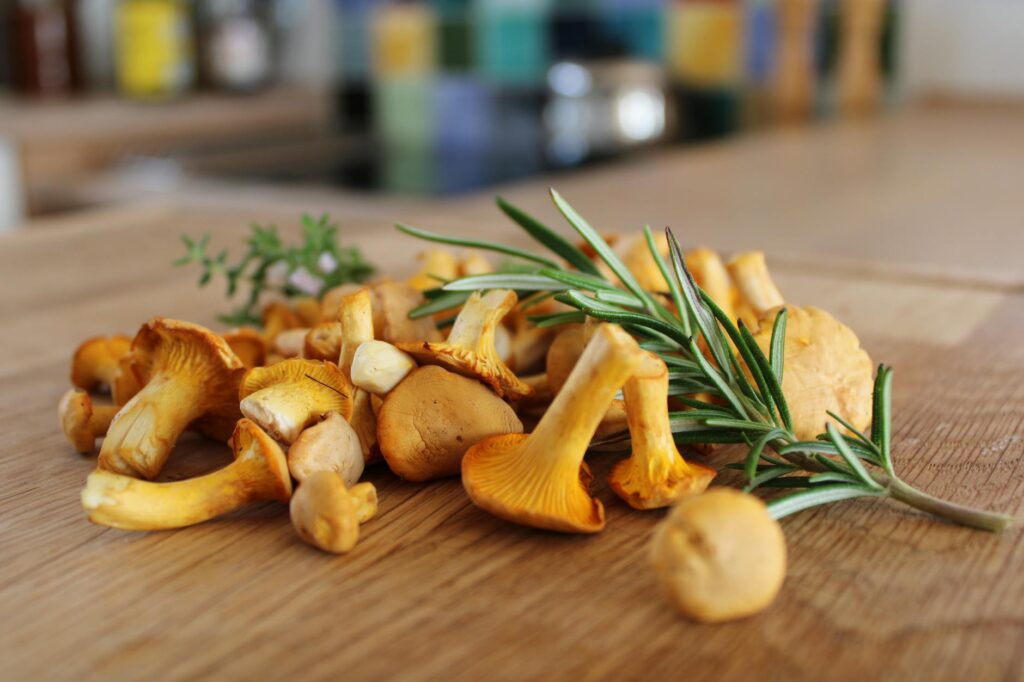
Chanterelle Mushrooms FAQs Answered
Introduction
Chanterelle mushrooms, characterized by their striking golden hue and delicate, fruity aroma, are among the most sought-after fungi in the culinary world. Renowned for their unique flavor profile and versatility, these mushrooms have captivated chefs and food enthusiasts alike. This article aims to provide a comprehensive overview of chanterelle mushrooms, addressing common questions, their history, production, quality standards, and much more.
What Is Guides?
In the context of food ingredients, “Guides” refer to authoritative resources that offer in-depth knowledge about specific ingredients. These guides help consumers, chefs, and food professionals understand the characteristics, uses, and best practices associated with various culinary components.
By providing structured information, guides ensure that individuals can make informed decisions about sourcing, preparing, and utilizing ingredients such as chanterelle mushrooms effectively.
History and Origins
Chanterelle mushrooms (genus Cantharellus) have a rich history dating back centuries. They are native to various regions, including Europe, North America, and parts of Asia. The earliest references to chanterelles can be traced to ancient culinary texts, where they were prized not only for their flavor but also for their nutritional value.
In Europe, particularly in countries like France and Italy, chanterelles have been a staple in traditional dishes for generations. They were often foraged from the wild, and their popularity soared during the 19th century as gourmet cooking became more mainstream. Today, they are cultivated and harvested globally, but wild foraging remains a cherished method for obtaining these exquisite fungi.
Production and Processing
Chanterelle mushrooms can be found both in the wild and cultivated in controlled environments. Wild chanterelles typically flourish in temperate forests, often emerging in the late spring to early fall, particularly after a good rain. They grow in symbiotic relationships with trees, often found near conifers and hardwoods.
Cultivating chanterelles is considerably more challenging than other mushroom varieties due to their specific growing conditions and symbiotic requirements with tree roots. As a result, most commercially available chanterelles are still foraged from the wild.
Once harvested, chanterelles undergo a meticulous cleaning and processing process. It’s crucial to remove any dirt, debris, or insects while preserving the integrity of the mushroom. Typically, they are gently brushed or rinsed in cold water, then allowed to dry before packaging.
Quality and Grading
The quality of chanterelle mushrooms can significantly affect their culinary applications. Grading criteria usually include size, shape, color, and overall freshness. High-quality chanterelles should have a vibrant golden color, firm texture, and a pleasant aroma, free from any signs of spoilage.
Grading standards can vary between regions, but generally, chanterelles are classified as follows:
- Grade A: These are the finest quality chanterelles, characterized by their uniform size and color. They are firm and free from blemishes, making them ideal for gourmet dishes.
- Grade B: While still edible, Grade B chanterelles may exhibit slight imperfections in color or texture. They are suitable for cooking but may not hold up as well in presentations.
- Grade C: These are often smaller or damaged mushrooms. While they can still be used in cooked dishes, they may lack the aesthetic appeal of higher-grade varieties.
- Soups and Stocks: Chanterelles can enhance the flavor of soups and stocks, providing depth and richness.
- Sautéed Dishes: Lightly sautéed in butter or olive oil, they make a delightful side dish or can serve as an accompaniment to meats and fish.
- Pasta and Risotto: Their delicate flavor pairs exceptionally well with creamy pasta dishes and risottos, adding a touch of elegance.
- Garnishes: Due to their unique shape and vibrant color, chanterelles serve as an attractive garnish for various dishes.
- Preservation: Chanterelles can also be dried or pickled, allowing their flavor to be enjoyed year-round.
- Refrigeration: Fresh chanterelles should be stored in the refrigerator in a paper bag or a breathable container. This allows them to breathe while preventing moisture buildup, which can lead to spoilage.
- Avoid Plastic Bags: Storing chanterelles in plastic bags can trap moisture, leading to a slimy texture and rapid deterioration.
- Shelf Life: When stored properly, fresh chanterelles can last for about 5 to 7 days. However, it is best to use them as soon as possible for optimal flavor.
- Freezing: While freezing is an option, it is not always recommended for chanterelles due to their delicate texture. If you choose to freeze them, sauté them briefly first to help preserve their flavor and texture.
- Dried Chanterelles: Dried chanterelles have a longer shelf life and can be stored in an airtight container in a cool, dark place for up to a year.
- All Chanterelles Are Edible: While many chanterelles are safe to eat, some look-alikes can be toxic. It is crucial to be knowledgeable about identifying safe varieties, especially when foraging.
- Chanterelles Are Always Golden: While many chanterelles are indeed golden, they can also be found in shades of white, orange, or even red. Color does not solely determine edibility or flavor.
- Cooking Time: Some believe that chanterelles take a long time to cook. In reality, they require minimal cooking time to retain their flavor and texture.
- Flavor Reduces When Dried: Dried chanterelles can retain much of their flavor and, when rehydrated properly, can be nearly as flavorful as fresh ones.
Understanding these grading standards is essential for consumers and chefs alike, as it influences both the taste and visual presentation of dishes.
Buying Considerations
When purchasing chanterelle mushrooms, there are several factors to consider to ensure you are selecting only the best:
1. Freshness: Look for mushrooms that are firm, plump, and free from any signs of decay. Fresh chanterelles will have a bright color and a pleasant, earthy aroma.
2. Source: If possible, inquire about the source of the mushrooms. Wild-foraged chanterelles may offer superior flavor compared to cultivated varieties, though the latter may be more readily available.
3. Seasonality: Chanterelles are seasonal mushrooms, primarily harvested in late spring to early fall. Understanding the season can help you locate the freshest options.
4. Local vs. Imported: Depending on your location, you may have access to local foraged chanterelles. Local options tend to be fresher and more flavorful than imported ones.
5. Organic Certification: If you prefer organically grown products, check for certifications that indicate the mushrooms were cultivated without synthetic pesticides or fertilizers.
6. Price: Chanterelles can be relatively expensive due to their limited growing season and labor-intensive harvesting process. While price should not be the sole consideration, it can be an indicator of quality.
Uses and Applications
Chanterelle mushrooms are incredibly versatile and can be employed in various culinary applications. Their distinct flavor, often described as a blend of apricot and pepper, makes them a favorite among chefs. Here are several common uses:
Understanding the versatility of chanterelle mushrooms can help you incorporate them into a wide array of culinary creations.
Storage and Shelf Life
Proper storage is essential to maintain the quality and flavor of chanterelle mushrooms. Here are some guidelines:
By following these storage guidelines, you can ensure that your chanterelle mushrooms remain fresh and flavorful for as long as possible.
Common Misconceptions
Chanterelle mushrooms are often surrounded by myths and misconceptions. Here are a few clarifications:
Addressing these misconceptions helps to foster a more accurate understanding of chanterelle mushrooms among consumers and culinary professionals alike.
Frequently Asked Questions
1. How do you tell if chanterelle mushrooms are fresh?
Fresh chanterelles should appear firm and plump, with a vibrant golden color and a pleasant aroma. If they feel slimy or have dark spots, they are likely past their prime.
2. Can you eat chanterelle mushrooms raw?
While chanterelles are technically edible raw, they are best enjoyed cooked, as cooking enhances their flavor and texture.
3. How do you clean chanterelle mushrooms?
To clean chanterelles, gently brush off any dirt with a soft brush or cloth. If needed, rinse them briefly under cold water, then pat dry with a paper towel. Avoid soaking them, as they can absorb too much moisture.
4. Where can I find chanterelle mushrooms?
Chanterelles can often be found at farmers’ markets, specialty grocery stores, or gourmet shops, especially during their harvest season. You can also forage them in the wild, but ensure you are knowledgeable about mushroom identification.
5. Are there any toxic look-alikes for chanterelles?
Yes, there are several mushrooms that resemble chanterelles but are toxic. The false chanterelle (Hygrophoropsis aurantiaca) is one example. Proper identification is crucial when foraging.
6. Can chanterelle mushrooms be preserved?
Yes, chanterelles can be dried, pickled, or frozen, allowing you to enjoy their unique flavor long after their harvest season.
Conclusion
Chanterelle mushrooms are a treasure in the culinary world, celebrated for their unique flavor and versatility. Understanding their history, production processes, quality grading, and proper storage techniques can enhance your appreciation and use of this exquisite ingredient. By dispelling common misconceptions and answering frequently asked questions, we hope to empower culinary enthusiasts and professionals alike to explore the rich world of chanterelle mushrooms with confidence. Whether foraging in the wild or buying them from a market, these mushrooms are sure to elevate any dish they grace.