
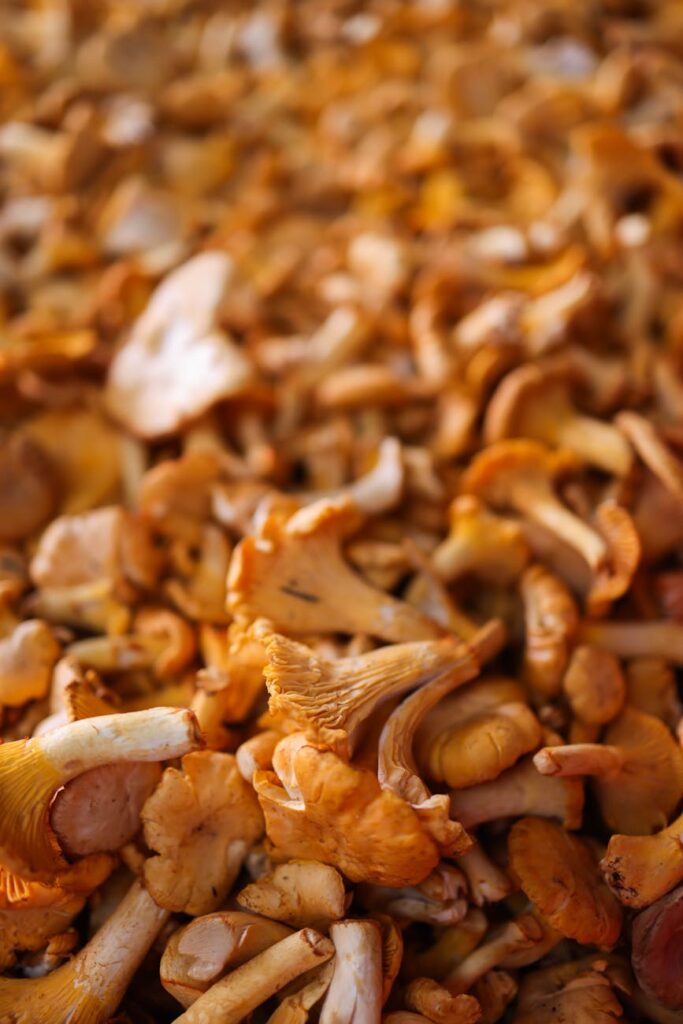
Chanterelle Mushrooms Grading Explained
Introduction
Chanterelle mushrooms, with their distinctive golden hue and delicate flavor, are a highly sought-after ingredient in the culinary world. These wild mushrooms are not only prized for their aesthetic appeal but also for their complex taste and versatile applications in various cuisines. However, purchasing high-quality chanterelles requires an understanding of grading, quality indicators, and market dynamics. This article aims to provide a comprehensive overview of chanterelle mushrooms, focusing on their grading system and buying considerations.
What Is Buying?
Buying, in the context of food ingredients, refers to the process of selecting and acquiring products based on specific criteria, such as quality, price, and availability. For chanterelle mushrooms, buying involves evaluating factors such as freshness, size, color, and overall condition. Understanding the nuances of buying can significantly enhance the culinary experience, ensuring that chefs and home cooks alike obtain the best possible ingredient for their dishes.
History and Origins
Chanterelle mushrooms belong to the genus Cantharellus, which encompasses various species found in forests worldwide. These fungi have a long history of culinary use, particularly in European cuisines. They are native to temperate and tropical regions, thriving in coniferous and deciduous forests. Archaeological evidence suggests that chanterelles have been consumed for centuries, celebrated for their unique flavor and nutritional value.
In the culinary world, chanterelles have gained prominence due to their association with gourmet dining and fine cuisine. Their seasonal availability, primarily during late spring to early autumn, adds to their allure, as chefs often seek these mushrooms to elevate their dishes during peak harvest times.
Production and Processing
Chanterelles are harvested in the wild rather than cultivated, which poses unique challenges and opportunities for producers. The harvesting process typically involves foraging in natural habitats, where skilled pickers locate and collect the mushrooms. Sustainable harvesting practices are essential to ensure that the chanterelle populations remain healthy and viable for future seasons.
Once harvested, chanterelles must be carefully processed to maintain their quality. This involves sorting, cleaning, and packaging to prevent spoilage. Because they are highly perishable, rapid processing and distribution are crucial. The mushrooms are often sold fresh, but they may also be dried or preserved to extend their shelf life and maintain flavor integrity.
Quality and Grading
The grading of chanterelle mushrooms is vital for buyers seeking to ensure the quality of their purchase. Grading typically involves evaluating a range of criteria, including size, color, shape, and overall condition.
Size
Chanterelles can vary significantly in size, and this can affect both their visual appeal and culinary application. Larger mushrooms may be more desirable for presentation, while smaller ones can be more tender and flavorful. The grading system often categorizes chanterelles as small, medium, or large, with the largest specimens typically commanding a higher price.
Color
The color of chanterelles can range from pale yellow to deep orange. A vibrant color is an indicator of freshness and quality, while dull or discolored mushrooms may be signs of aging or spoilage. Buyers should aim for chanterelles that exhibit a consistent, bright hue.
Shape and Condition
Chanterelles should have a well-defined, trumpet-like shape with a wavy edge. Firmness is also an essential quality indicator; mushrooms that are too soft or mushy may be past their prime. Grading often includes a visual inspection for blemishes, bruises, or signs of mold, which can compromise both flavor and safety.
Grading Systems
Different regions may employ varying grading systems for chanterelles. In the United States, for example, the USDA has established grades such as Fancy, No. 1, and No. 2, which provide a framework for assessing quality. Familiarity with these grading standards can help buyers make informed decisions.
Buying Considerations
When purchasing chanterelle mushrooms, several key considerations can guide buyers toward making optimal choices:
Seasonality
Chanterelles are seasonal, typically available from late spring through fall. Understanding the seasonal patterns in your region can help identify the freshest options. Buying during peak season will also likely yield better prices and higher quality.
Source
Knowing the source of chanterelles is crucial. Foraged mushrooms can vary significantly in quality based on the forager’s expertise and the environment in which they were harvested. Opting for reputable suppliers or local foragers who adhere to sustainable practices can increase the likelihood of obtaining high-quality mushrooms.
Price
Pricing for chanterelles can fluctuate based on availability and demand. While it might be tempting to opt for the cheapest option, remember that quality often correlates with price. Investing in higher-quality chanterelles can enhance the overall culinary experience.
Visual Inspection
Before making a purchase, visually inspect chanterelles for color, shape, and firmness. Ideally, they should be free from blemishes and have a vibrant appearance. If purchasing pre-packaged mushrooms, ensure that the packaging is intact and that the mushrooms appear fresh.
Storage Conditions
If purchasing chanterelles from a market, consider how they will be stored during transport. Chanterelles are sensitive to temperature and humidity, so they should be kept cool to maintain their freshness. If buying in bulk, ensure that proper storage conditions are met to prevent spoilage.
Uses and Applications
Chanterelle mushrooms are versatile and can be employed in various culinary applications. Their delicate flavor profile makes them suitable for both simple and complex dishes. Here are some common uses:
1. Sautéed or Stir-Fried: Chanterelles can be sautéed in butter or oil, enhancing their natural flavor. They pair well with herbs, garlic, and shallots.
2. Soups and Sauces: Their unique taste can be highlighted in creamy soups or rich sauces, providing depth and complexity.
3. Pasta Dishes: Chanter