
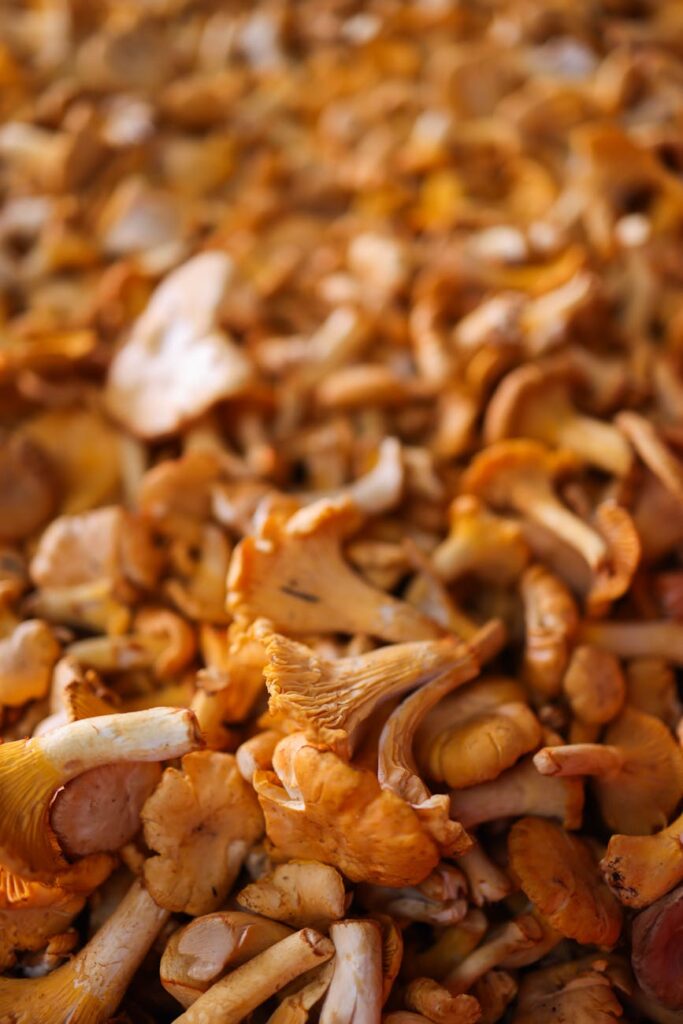
Chanterelle Mushrooms: Myths and Misconceptions
Introduction
Chanterelle mushrooms, with their elegant, trumpet-like shape and vibrant golden hue, have gained a revered status in the culinary world. Celebrated for their delicate flavor and versatility, they are often featured in fine dining establishments and gourmet home kitchens alike. However, as their popularity has surged, so too have myths and misconceptions surrounding these exquisite fungi. This article aims to clarify these misunderstandings while providing comprehensive insights into chanterelle mushrooms, their history, production, quality considerations, and more.
What Is Guides?
In the context of food ingredients, “guides” refer to comprehensive resources that provide essential information regarding various aspects of food items. These include educational content on the history, production, quality, and culinary applications of ingredients. For chanterelle mushrooms, guides serve to demystify their characteristics, promote informed purchasing, and enhance culinary practices. As a part of an educational platform, these guides play a crucial role in bridging the gap between producers, chefs, and consumers.
History and Origins
Chanterelle mushrooms belong to the genus Cantharellus, a group of fungi that has been foraged and consumed for centuries. While their exact origins are difficult to pinpoint, evidence suggests that they have been appreciated since ancient times. Historical texts from Europe indicate that chanterelles have been part of the culinary landscape since at least the 15th century.
Native to temperate forests across the globe, chanterelles thrive in symbiotic relationships with various tree roots, particularly conifers and hardwoods. They are most commonly found in Europe, North America, and parts of Asia, where they are harvested from late spring to early autumn. The appreciation for chanterelles has transcended cultural boundaries, with many regions developing distinctive methods of preparation that highlight their unique flavor profiles.
Production and Processing
Chanterelle mushrooms are primarily harvested in the wild, as they are notoriously difficult to cultivate commercially. This wild foraging contributes to their allure, as each harvest is dependent on seasonal weather conditions and local ecosystem health. Foragers often rely on their knowledge of specific habitats where chanterelles thrive, such as damp, shady areas rich in organic matter.
Once harvested, chanterelles undergo minimal processing to preserve their delicate flavor and texture. Typically, they are brushed clean to remove dirt and debris without washing them, as excessive moisture can compromise their quality. In some cases, they may be dried or frozen for preservation, allowing their distinct flavor to be enjoyed year-round.
Quality and Grading
Quality is paramount when it comes to chanterelle mushrooms. The grading of these fungi is based on several factors, including size, color, and freshness. High-quality chanterelles should exhibit a vibrant yellow-orange color, firm texture, and a pleasant aroma reminiscent of apricots or peaches.
Grading standards can vary by region, but generally, they fall into categories such as “Grade A” for the finest specimens and “Grade B” for those that may have slight imperfections or less desirable characteristics. Consumers are advised to pay attention to these grading systems when purchasing to ensure they are selecting the best available product.
Buying Considerations
When purchasing chanterelle mushrooms, several factors should be taken into account to ensure quality and freshness:
1. Source: Opt for reputable suppliers or farmers’ markets that specialize in foraged mushrooms. This ensures that you are receiving a product that has been harvested responsibly.
2. Appearance: Look for chanterelles that boast a vibrant color without any signs of bruising or decay. The caps should be firm and intact, with no moisture pooling at the base.
3. Seasonality: Chanterelles have specific harvesting seasons, varying by region. Purchasing during peak seasons increases the likelihood of obtaining fresh, flavorful mushrooms.
4. Storage: Ensure that the mushrooms have been stored properly before purchase. They should be kept cool and dry, as excessive moisture can lead to spoilage.
Uses and Applications
Chanterelle mushrooms are highly versatile and can be employed in a variety of culinary applications. Their delicate flavor lends itself well to:
- Sautéing: Quickly sautéing chanterelles in butter or oil enhances their natural flavor and preserves their texture.
- Soups and Sauces: They can be incorporated into stocks, soups, or sauces, where their unique taste can elevate the dish.
- Garnishes: Due to their striking appearance, chanterelles make an excellent garnish for various dishes, adding both visual appeal and flavor complexity.
- Pizza and Pasta: Their robust flavor pairs beautifully with both pizza and pasta, providing a gourmet touch to these comfort foods.
Storage and Shelf Life
Proper storage is essential to maintain the quality and flavor of chanterelle mushrooms. Fresh chanterelles should be stored in a paper bag in the refrigerator, where they can typically last for up to a week. It is important to avoid storing them in plastic, as this can trap moisture and lead to spoilage.
For longer-term storage, chanterelles can be dried or frozen. Dried chanterelles should be kept in an airtight container in a cool, dark place, where they can last for several months. When freezing, blanching the mushrooms briefly before freezing can help preserve their texture and flavor.
Common Misconceptions
Despite their popularity, several misconceptions about chanterelle mushrooms persist:
1. All Chanterelles Are Safe to Eat: While many species of chanterelles are edible, some look-alikes can be toxic. It is crucial to be well-informed or consult an expert when foraging.
2. Chanterelles Can Be Cultivated Easily: Contrary to popular belief, chanterelles are challenging to cultivate commercially due to their mycorrhizal nature. Most available chanterelles are foraged from