
Chanterelle Mushrooms Production by Country
Introduction
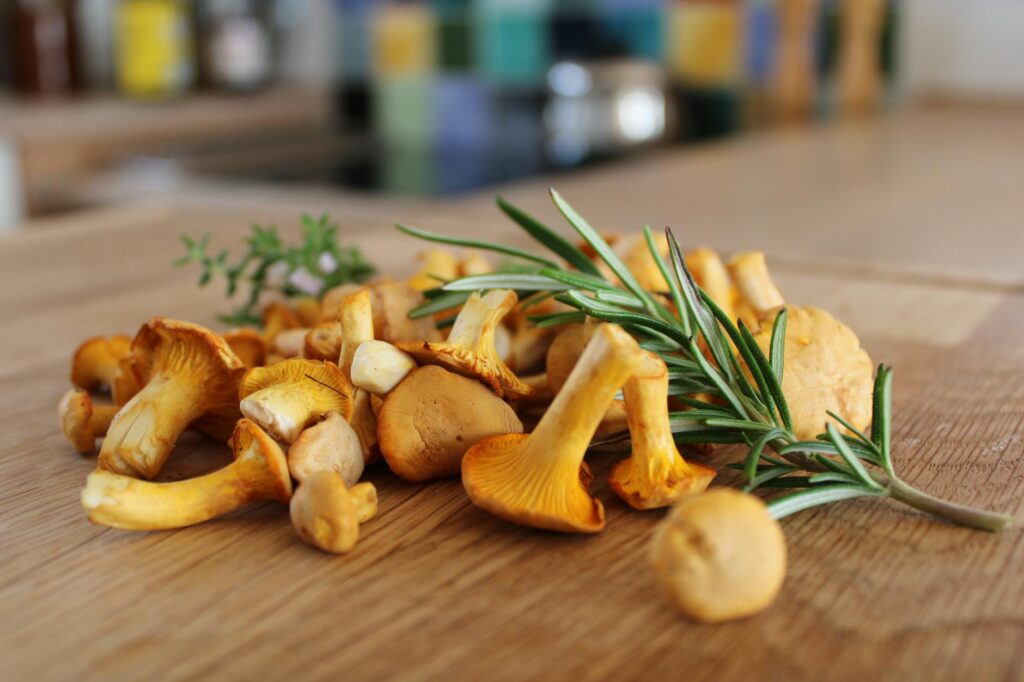
Chanterelle mushrooms, renowned for their vibrant color and unique flavor, are a prized ingredient in various culinary traditions around the globe. These fungi flourish in temperate forests, and their seasonal availability links them closely to specific geographical regions. This article delves into the production of chanterelle mushrooms by country, highlighting the diverse growing conditions, harvesting practices, and market dynamics that shape their global presence.
What Is Regions?
In the context of food ingredients, “regions” refers to specific geographic areas where particular products are cultivated or sourced. This term encompasses not only the country of origin but also the environmental conditions, cultural practices, and local economies that contribute to the production of a given ingredient. For chanterelle mushrooms, regions can vary significantly, impacting their flavor profiles, harvesting methods, and overall availability in the market.
History and Origins
Chanterelle mushrooms belong to the genus Cantharellus, with a history that can be traced back to ancient culinary practices. Although the precise origins are difficult to pinpoint, evidence suggests that these mushrooms have been enjoyed in Europe and Asia for centuries. They were first documented in culinary texts during the 16th century, particularly in France and Germany, where they were appreciated for their delicate flavor and gastronomic versatility.
Over time, the popularity of chanterelles spread, and they became an integral part of various culinary traditions. Today, they are highly sought after in gourmet cooking, thanks in part to their distinctive flavor, which is often described as earthy and slightly peppery.
Production and Processing
Key Producing Countries
Chanterelle mushrooms are produced in various countries, with notable concentrations in Europe, North America, and parts of Asia.
- United States: The Pacific Northwest, particularly Oregon and Washington, is known for its abundant chanterelle harvests. The region’s moist, temperate climate provides optimal conditions for these mushrooms to thrive.
- Canada: British Columbia and Quebec have significant production, capitalizing on the diverse forest ecosystems that support chanterelle growth.
- France: Renowned for its culinary heritage, France remains a significant player in chanterelle production. The forests of the Loire Valley and the Auvergne region are particularly rich in these mushrooms, which are often foraged rather than cultivated.
- Germany: As one of the largest consumers and producers in Europe, Germany has a long tradition of foraging chanterelles, especially in the Black Forest region.
- Sweden and Finland: These Nordic countries also have a strong foraging culture, and chanterelles are a staple in local cuisine.
- China: Although less well-known for their culinary use, certain regions in China produce chanterelles, primarily for domestic consumption.
- A Grade: These mushrooms are large, vibrant in color, and free of blemishes. They are often sold in gourmet markets and restaurants.
- B Grade: Slightly smaller with minor imperfections, these mushrooms are still suitable for culinary use but may not meet the high standards of A-grade classifications.
- C Grade: These are smaller, often misshapen, and may show signs of spoilage. They are typically used in processed products or for less discerning culinary applications.
- Soups and Sauces: Chanterelles enhance the depth of flavor in creamy soups and rich sauces.
- Pasta Dishes: They are a popular addition to pasta, providing an earthy counterpoint to creamy or tomato-based sauces.
- Risottos and Grain Dishes: Their unique flavor complements risottos and other grain dishes, adding a luxurious touch.
- Meat and Poultry: Chanterelles can elevate dishes featuring meats, offering a delightful contrast to savory flavors.
Harvesting Techniques
Chanterelles are typically harvested by hand, often by skilled foragers who can identify mature mushrooms in the wild. Harvesting is usually done during the late summer to early fall, depending on the region and climate conditions.
Once harvested, chanterelles are often cleaned and sorted before being sold fresh or dried. Proper handling is crucial to maintain their delicate texture and flavor. In regions where they are cultivated, mushrooms may undergo controlled growth conditions to enhance yield and quality.
Quality and Grading
The quality of chanterelle mushrooms is determined by several factors, including size, color, and overall freshness.
Grading Systems
Different countries may employ various grading systems to classify chanterelles:
Sensory Evaluation
In addition to visual grading, sensory evaluations—such as aroma and taste—play a crucial role in determining quality. Fresh chanterelles should have a fragrant, earthy aroma and a firm texture.
Buying Considerations
When purchasing chanterelle mushrooms, several factors should be taken into account to ensure quality and freshness:
1. Source: Prefer mushrooms from reputable suppliers who prioritize sustainable harvesting practices.
2. Freshness: Look for firm, brightly colored mushrooms without signs of wilting or spoilage. Fresh chanterelles should have a pleasant, earthy aroma.
3. Seasonality: Be aware of the seasonality of chanterelles in your region. Fresh mushrooms are typically available from late summer through early fall, depending on local climatic conditions.
4. Dried vs. Fresh: Dried chanterelles can be a convenient alternative when fresh ones are unavailable, but they should be rehydrated properly to restore flavor and texture.
Uses and Applications
Chanterelle mushrooms are versatile ingredients that can be used in various culinary applications. Their distinct flavor pairs well with multiple dishes:
Storage and Shelf Life
Fresh Chanterelles
Fresh chanterelles should be stored in a paper bag in the refrigerator. This allows for proper airflow and helps prevent moisture buildup, which can lead to spoilage. They typically remain fresh for about five to seven days when stored correctly.
Dried Chanterelles
Dried chanterelles can be stored in an airtight container in a cool, dark place. They can last for several months to a year when properly stored. Before using dried chanterelles, they should be rehydrated in warm water or broth, which will restore their texture and flavor.
Common Misconceptions
1. Chanterelles are Cultivated: While some chanterelles may be cultivated, most are foraged from the wild, making them a seasonal delicacy.
2. All Chanterelles Are Edible: Although most chanterelles are safe to eat, some look-alikes can be toxic. Proper identification is crucial for foragers.
3. Chanterelles Are Always Yellow: While the golden yellow variety is most common, chanterelles can also be found in shades of orange and even white.
Frequently Asked Questions
1. Where can I find chanterelle mushrooms for sale?
Chanterelles can be found at farmers’ markets, specialty grocery stores, and gourmet food shops, especially during their peak season. Online retailers also offer fresh and dried varieties.
2. How can I tell if chanterelles are fresh?
Fresh chanterelles should be firm to the touch, brightly colored, and free from any signs of mold or wilting. They should also have a pleasant, earthy aroma.
3. Are chanterelles safe to eat?
Yes, chanterelles are safe to eat; however, it’s essential to properly identify them, as some look-alikes can be toxic. If foraging, consider consulting an expert or utilizing a reliable field guide.
4. How should I cook chanterelles?
Chanterelles can be sautéed, added to soups, or incorporated into sauces. Their delicate flavor can be enhanced by cooking them gently with butter or oil.
5. Can I freeze chanterelles?
While freezing is possible, it may alter their texture. It’s better to sauté them briefly before freezing to preserve their quality.
6. What are the nutritional benefits of chanterelles?
Chanterelles are low in calories and provide essential nutrients, including vitamins B and D, potassium, and antioxidants. They are a flavorful addition to a balanced diet.
In conclusion, chanterelle mushrooms are celebrated not only for their culinary versatility but also for their connection to specific regions and cultures. Understanding their production by country, harvesting practices, and market dynamics can enhance appreciation for this exquisite ingredient, which continues to inspire chefs and home cooks alike.