
Chanterelle Mushrooms Regions Guide Part 6
Introduction
Chanterelle mushrooms are among the most coveted fungi in the culinary world, celebrated not only for their unique flavor and texture but also for their diverse habitats across the globe. This guide explores the various regions where chanterelles are found, shedding light on their history, production, and culinary applications. Understanding the regional nuances of chanterelle mushrooms can enhance your appreciation for this gourmet ingredient, allowing you to make informed choices whether you are a chef, forager, or food enthusiast.
What Is Regions?
In the context of chanterelle mushrooms, “regions” refers to the geographical areas where these mushrooms thrive and are harvested. The conditions of each region—including climate, soil type, and surrounding flora—significantly influence the quality, flavor, and availability of chanterelles. Understanding these regional factors is essential for both foragers and chefs, as they can dramatically affect the characteristics of the mushrooms.
History and Origins
Chanterelle mushrooms belong to the genus Cantharellus, with Cantharellus cibarius being the most well-known species. Historically, these mushrooms have been enjoyed for centuries, with evidence of their use dating back to ancient Greece and the Roman Empire. They were often associated with gourmet dining and were valued for their rich, savory flavor.
The regions where chanterelles flourish are primarily temperate zones, including parts of Europe, North America, and Asia. In Europe, they are commonly found in coniferous and deciduous forests, particularly in countries like France, Germany, and Sweden. In North America, they are prevalent in the Pacific Northwest, where the moist climate creates ideal growing conditions. The rich culinary traditions of these regions have played a significant role in elevating the status of chanterelles in global cuisine.
Production and Processing
Chanterelle mushrooms are typically foraged rather than cultivated, making their availability seasonal and region-specific. Foragers often venture into forests during late spring to early autumn when conditions are optimal for growth. The mushrooms thrive in association with certain tree species, particularly conifers like fir and spruce, as well as hardwoods such as oak and beech.
Once harvested, chanterelles require careful handling to preserve their delicate structure and flavor. They are often brushed clean of dirt and debris rather than washed, as excess moisture can compromise their quality. In many regions, they are sold fresh, dried, or preserved in jars, each method affecting their flavor and culinary applications.
Quality and Grading
The quality of chanterelle mushrooms can vary significantly based on their region of origin and harvesting methods. When evaluating chanterelles, consider the following factors:
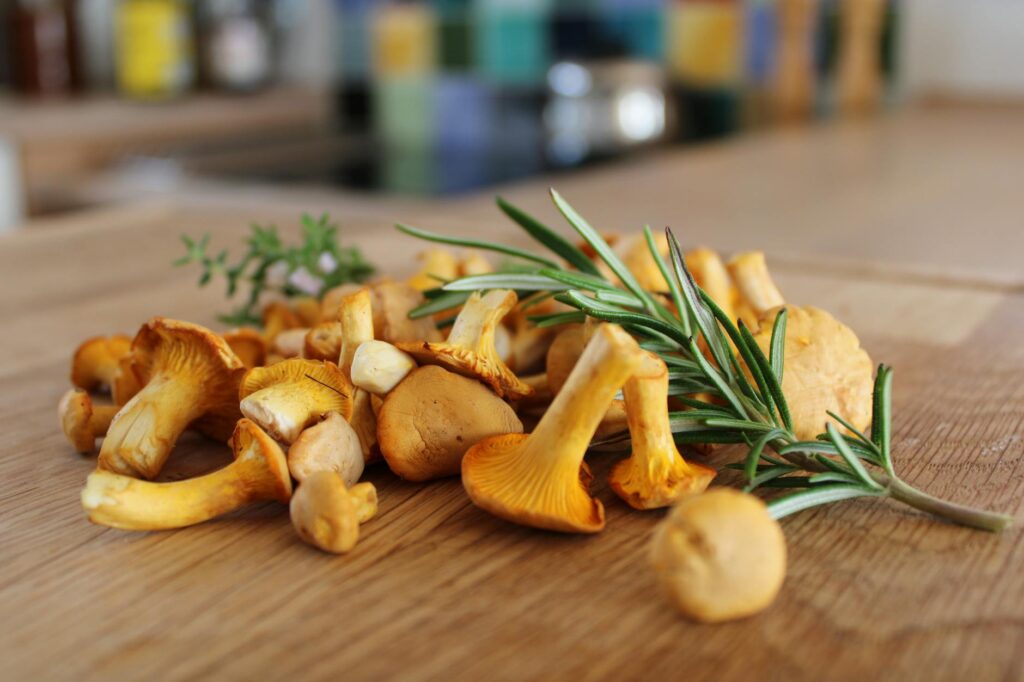
- Appearance: High-quality chanterelles should have a vibrant orange to yellow color with a smooth, slightly wavy cap. The gills should be well-defined but not overly deep, as this can indicate age or poor handling.
- Texture: Fresh chanterelles should feel firm to the touch. A spongy or overly soft texture often indicates spoilage.
- Aroma: A fresh, earthy smell is characteristic of high-quality chanterelles. Any off-putting or sour odors may signal a decline in quality.
- Source: Buy from reputable vendors who can provide information about the origin of the mushrooms. Local farmers’ markets or specialty grocery stores often have fresher and higher-quality options.
- Seasonality: Chanterelles are seasonal; understanding when they are in peak season in your region can lead to better quality and lower prices. In North America, for example, they are typically available from late spring to early fall.
- Fresh vs. Dried: Fresh chanterelles are preferred for their superior flavor and texture, but dried chanterelles can be a convenient alternative, especially in off-seasons. Rehydrate dried mushrooms in warm water before use to regain some of their flavor and texture.
- Sautéing: Chanterelles can be sautéed with butter, garlic, or herbs to create a delicious side dish or topping for proteins.
- Soups and Sauces: Their earthy flavor enhances soups, sauces, and gravies, adding depth and richness.
- Pasta and Risotto: Chanterelles pair well with creamy pasta dishes and risottos, where their unique taste can shine.
- Garnishes: Their visually appealing shape and color make them an excellent garnish for upscale dishes.
- Fresh Chanterelles: Store in a paper bag in the refrigerator, where they can last for about 5 to 7 days. Avoid plastic bags, as they trap moisture and can lead to spoilage.
- Dried Chanterelles: Keep in an airtight container in a cool, dark place. They can last for months or even years when stored correctly.
- Preserved Chanterelles: If canned or jarred, follow the manufacturer’s guidelines for storage. Once opened, consume them within a few days and keep refrigerated.
- All Chanterelles Are Edible
Grading standards can differ by region but typically include classifications such as “Fancy,” “Choice,” and “Standard,” with “Fancy” representing the highest quality.
Buying Considerations
When purchasing chanterelle mushrooms, it is essential to consider the following:
Uses and Applications
Chanterelle mushrooms are incredibly versatile, finding their way into numerous culinary applications. Their delicate flavor profile and meaty texture make them suitable for various cooking methods:
In addition to savory applications, chanterelles can also be used in products like mushroom powders and stocks, expanding their versatility in the culinary world.
Storage and Shelf Life
Proper storage is crucial for maintaining the quality of chanterelle mushrooms. Follow these guidelines:
Common Misconceptions
Several myths surround chanterelle mushrooms, which can lead to confusion among consumers: