
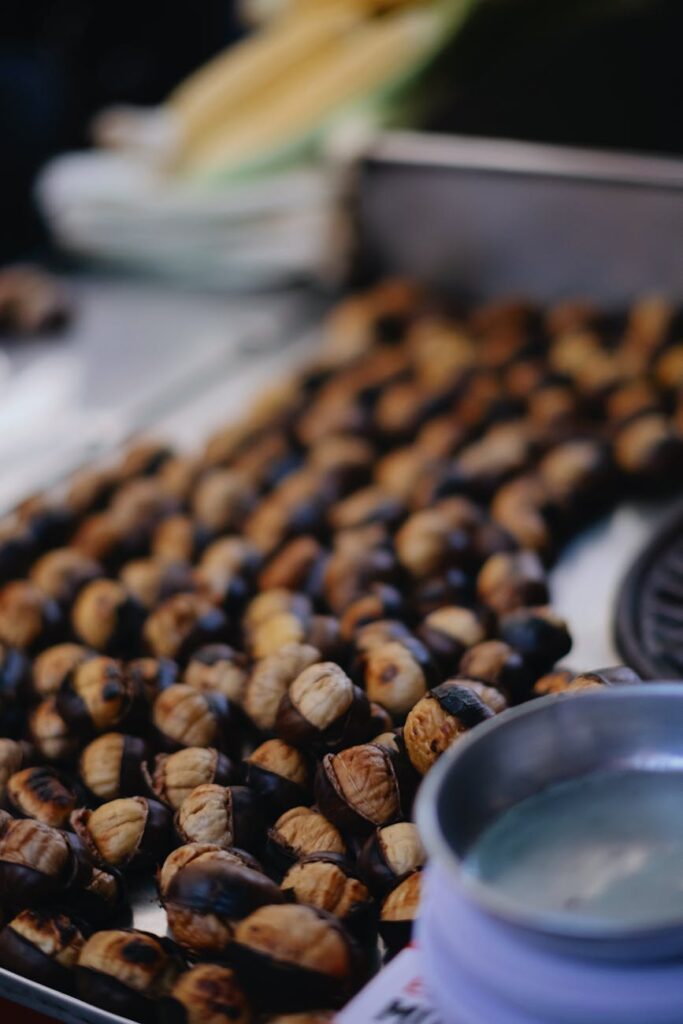
Chestnut Puree About Guide Part 7
Introduction
Chestnut puree is a versatile ingredient that adds a unique flavor and texture to a variety of culinary applications. This guide aims to provide a comprehensive overview of chestnut puree, focusing on its historical context, production processes, quality assessments, and usage in the culinary world. Whether you are a chef looking to enhance your dishes or a home cook seeking to expand your ingredient knowledge, this guide will serve as an essential resource.
What Is Chestnut Puree?
Chestnut puree is a smooth, creamy paste made from cooked and pureed chestnuts. Unlike other nut purees, chestnuts have a naturally sweet flavor and a distinct texture, making them a popular choice in both savory and sweet dishes. The puree can be made from various types of chestnuts, but the most commonly used varieties are European and Japanese chestnuts.
The puree is often employed as a base for sauces, fillings, and desserts. It can also be used to enhance the nutritional profile of various dishes, as chestnuts are rich in carbohydrates, fiber, and essential vitamins.
History and Origins
The history of chestnuts can be traced back thousands of years, with evidence of their consumption dating to ancient Greece and Rome. Chestnuts were a staple food in many European regions, especially in mountainous areas where other crops were difficult to grow. The cultivation of chestnut trees spread throughout Europe, leading to their prominence in countries such as Italy, France, and Spain.
Chestnut puree specifically gained popularity in the culinary world during the 19th century, particularly in French cuisine. It became a favored ingredient for desserts and pastries, showcasing its versatility. In recent years, chestnut puree has found its way into global culinary traditions, being embraced in various forms across different cultures.
Production and Processing
The production of chestnut puree involves a series of steps that ensure the final product retains its unique flavor and nutritional benefits. Here’s a breakdown of the process:
1. Harvesting: Chestnuts are typically harvested in the fall when they fall from their spiky husks. The nuts are then sorted to remove any damaged or rotten specimens.
2. Cooking: The harvested chestnuts are usually boiled or roasted to soften their texture. Cooking not only enhances the flavor but also makes the nuts easier to peel.
3. Peeling: After cooking, the outer shell and inner skin of the chestnuts are removed. This step is crucial for achieving a smooth puree.
4. Pureeing: The peeled chestnuts are then blended until smooth. Some producers may add a small amount of sugar or flavoring to enhance the taste, although high-quality purees often retain their natural sweetness.
5. Packaging: Once pureed, the chestnut puree is packaged in jars or cans and sealed to preserve freshness.
Quality and Grading
The quality of chestnut puree can vary significantly based on several factors, including the type of chestnut used, the production process, and the presence of additives. Here are some key aspects to consider when evaluating the quality of chestnut puree:
- Ingredient List: High-quality chestnut puree typically contains only chestnuts, with no added preservatives or artificial ingredients. Some brands may include a small amount of sugar or salt, but these should be minimal.
- Texture and Consistency: The ideal chestnut puree should be smooth and creamy, without any graininess or lumps. The texture can affect its usability in various recipes.
- Flavor Profile: A well-produced chestnut puree will have a rich, nutty flavor with a hint of sweetness. Off-flavors or astringency may indicate lower quality or improper processing.
- Color: The color of chestnut puree can range from light beige to a deeper brown, depending on the type of chestnut used and the cooking method. Consistency in color is often an indicator of quality.
- Type of Packaging: Chestnut puree is commonly available in jars, cans, and pouches. Jars often provide a more artisanal product, while cans may be more convenient for bulk use.
- Brand Reputation: Consider purchasing from reputable brands known for their quality products. Research customer reviews and ratings to gauge the overall satisfaction of previous buyers.
- Organic Certification: If you prioritize organic ingredients, look for purees that are certified organic to ensure they meet specific agricultural standards.
- Serving Size: Check the serving size and nutritional information to ensure that the product meets your dietary requirements.
- Price: While price can often reflect quality, it’s essential to balance cost with your specific needs. High-quality chestnut purees may be more expensive but could provide better flavor and texture.
- Desserts: Its natural sweetness makes chestnut puree an excellent filling for cakes, pastries, and tarts. It can also be incorporated into mousses or used as a base for ice creams.
- Savory Dishes: In savory applications, chestnut puree can be used as a base for sauces or soups. It pairs well with meats, particularly game and poultry, and can be used in stuffing or as a spread.
- Baking: Chestnut puree can replace flour in gluten-free baking recipes, providing moisture and a unique flavor profile to bread and muffins.
- Garnishes: The creamy texture of chestnut puree makes it a delightful garnish for various dishes, adding both aesthetic appeal and flavor.
- Unopened Containers: Store unopened jars
Buying Considerations
When purchasing chestnut puree, several factors should be taken into account to ensure you select the best product for your needs:
Uses and Applications
Chestnut puree is a versatile ingredient with a wide range of culinary applications. Here are some common uses:
Storage and Shelf Life
Proper storage of chestnut puree is crucial for maintaining its flavor and freshness. Here are some guidelines: