
Chestnut Puree FAQs Answered
Introduction
Chestnut puree, a versatile and flavorful ingredient, has gained popularity in both sweet and savory culinary applications. This creamy, smooth puree is derived from roasted chestnuts, making it a unique addition to various dishes. In this article, we delve into the essential aspects of chestnut puree, addressing its history, production, quality considerations, and more. By the end, you will have a comprehensive understanding of this delightful ingredient.
What Is Chestnut Puree?
Chestnut puree is a smooth paste made from cooked and often roasted chestnuts. Its texture is creamy, akin to that of mashed potatoes, while its flavor profile ranges from subtly sweet to earthy, depending on the chestnut variety and preparation method. Typically, the puree is used in desserts, sauces, and soups, offering a unique taste and nutritional benefits.
History and Origins
The history of chestnuts dates back thousands of years, with evidence of their consumption found in ancient civilizations, including the Greeks and Romans. Chestnuts were once a staple food source in many European regions, especially during the Middle Ages when grains were scarce. The practice of roasting and pureeing chestnuts emerged as a method to enhance their flavor and texture, thereby extending their culinary applications.
In France, chestnut puree is often associated with the famous dessert “marrons glacés,” or candied chestnuts. The French have also been pioneers in producing high-quality chestnut puree, which has influenced culinary traditions across Europe and beyond. Today, chestnut puree is celebrated not only in European cuisines but also in Asian and American dishes.
Production and Processing
The production of chestnut puree begins with the careful selection of high-quality chestnuts. The nuts are typically harvested in the fall, and the processing includes roasting, peeling, and pureeing.
1. Harvesting: Chestnuts are harvested in autumn when the nuts fall from their spiky husks. Quality control starts here, as only ripe and healthy nuts are chosen for processing.
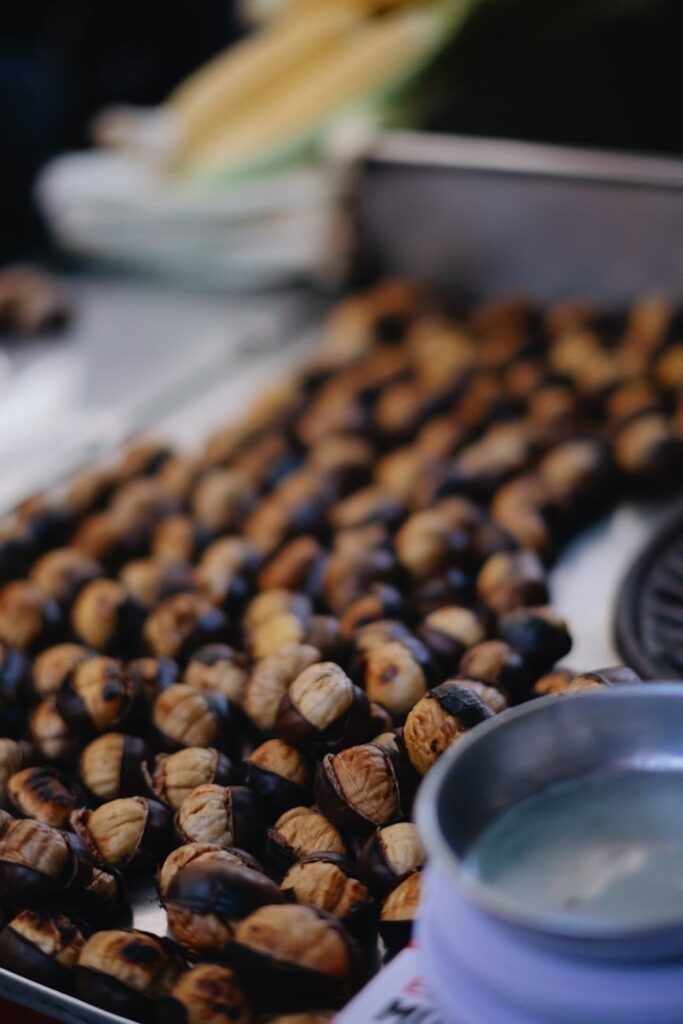
2. Roasting: The chestnuts are roasted to enhance their flavor and make peeling easier. This step also caramelizes the natural sugars, contributing to the puree’s sweetness.
3. Peeling: After roasting, the chestnuts are cooled and then peeled. This process requires precision, as any residual skin can affect the puree’s texture.
4. Pureeing: The peeled chestnuts are then blended until smooth. Some producers may add sugar, vanilla, or other flavorings, while others keep the puree pure for a more natural taste.
5. Packaging: Once pureed, the chestnut mixture is usually packaged in jars or tubes for retail sale. Proper sealing ensures that the product maintains its freshness and flavor.
Quality and Grading
Quality is paramount when it comes to chestnut puree. The grading system usually considers several factors:
- Color: High-quality chestnut puree should have a creamy, light brown color. A darker hue may indicate over-roasting or the addition of artificial coloring.
- Texture: The ideal puree is smooth and free of lumps. Grainy or gritty textures can detract from the eating experience.
- Flavor: A well-made chestnut puree should have a balanced flavor profile, with a natural sweetness and earthy undertones.
- Ingredients: Pure chestnut puree contains minimal ingredients—typically just chestnuts and water. Some brands may include stabilizers or preservatives, which can impact quality.
- Type: Chestnut puree is available in various forms, including sweetened and unsweetened. Choose based on your intended use.
- Ingredients: Always check the ingredient list. Pure products will only contain chestnuts and possibly water, while others may have added sugars or flavorings.
- Packaging: Look for airtight packaging to maintain freshness. Glass jars or vacuum-sealed pouches are often preferable.
- Brand Reputation: Opt for reputable brands known for quality products. Reviews and recommendations can guide you in making an informed choice.
- Price: As with most specialty ingredients, prices can vary. Higher quality often comes at a premium, so consider your budget and needs.
- Desserts: It serves as a base for cakes, mousses, and tarts, adding depth and richness.
- Savory Dishes: The puree can enhance soups, sauces, and even pasta dishes, providing a unique flavor profile.
- Spreads: It can be used as a spread, akin to nut butters, for breads and pastries.
- Dips: Combined with other ingredients, chestnut puree can create delicious dips for vegetables or crackers.
- Baby Food: Its smooth texture and natural sweetness make it an excellent choice for baby food.
- Unopened Containers: Keep them in a cool, dry place, away from direct sunlight. Unopened chestnut puree can last for several months past its expiration date if stored correctly.
- Opened Containers: Once opened, chestnut puree should be refrigerated and consumed within 5 to 7 days. Transfer the puree to an airtight container to prevent moisture and odors from affecting its flavor.
- Freezing: For long-term storage, chestnut puree can be frozen. Portion it into small containers or ice cube trays for easy use in the future. Thaw in the refrigerator
To ensure you are purchasing a high-grade product, look for certifications or labels indicating organic or premium quality.
Buying Considerations
When purchasing chestnut puree, consider the following factors:
Uses and Applications
Chestnut puree is incredibly versatile and can be employed in a variety of culinary contexts:
With its ability to complement both sweet and savory flavors, chestnut puree is a valuable ingredient for chefs and home cooks alike.
Storage and Shelf Life
Proper storage is essential to maintain the quality of chestnut puree.