
Chestnut Puree in Traditional Cuisine
Introduction
Chestnut puree is a versatile ingredient celebrated in various culinary traditions around the world. With its rich, sweet flavor and smooth texture, it serves as a foundational element in both savory and sweet dishes. This article delves into the multifaceted uses of chestnut puree within traditional cuisines, exploring its historical significance, production methods, applications, and more.
What Is Chestnut Puree?
Chestnut puree is made from cooked chestnuts that are blended into a smooth consistency. It typically contains no added sugars or preservatives, allowing the natural sweetness and nuttiness of the chestnuts to shine through. The puree can vary in texture from a coarse mash to a fine smooth paste, depending on the intended culinary use.
History and Origins
The history of chestnuts dates back thousands of years, with origins tracing to Asia, particularly the regions of China and Japan. Chestnuts were a staple food for many ancient cultures, providing a significant source of carbohydrates and nutrients. In Europe, chestnuts became increasingly popular in the Middle Ages, particularly in mountainous regions where other crops struggled to thrive.
The transformation of chestnuts into puree is believed to have emerged in culinary practices during the Renaissance when chefs began experimenting with various textures and forms of ingredients. In France, for example, the use of chestnut puree became prominent in the 19th century, particularly as a filling for pastries and desserts, a trend that persists in many European cuisines today.
Production and Processing
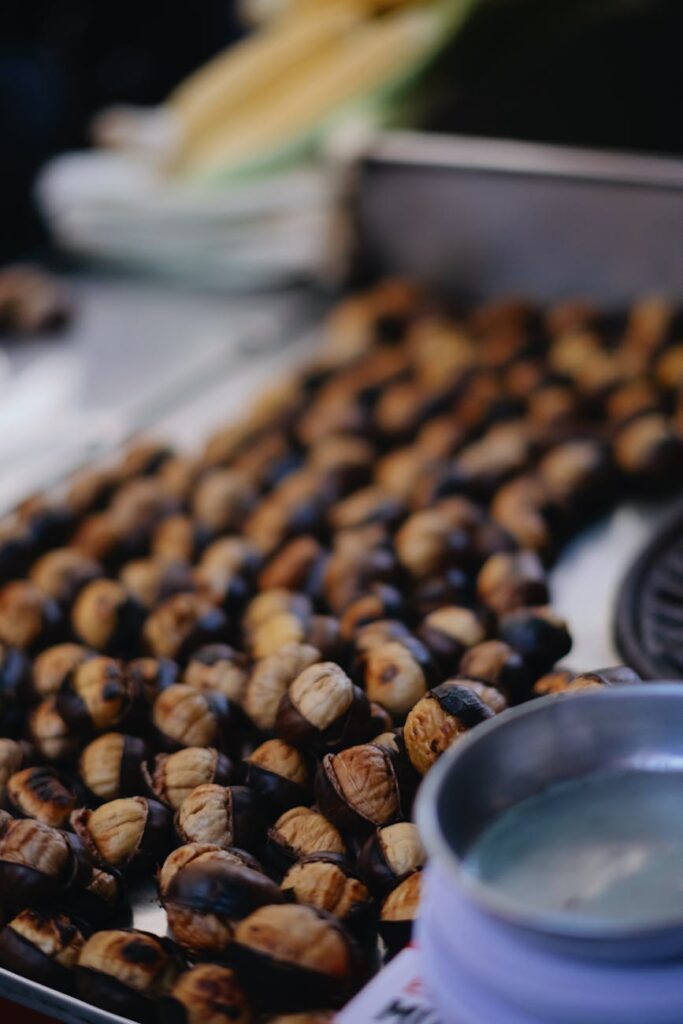
Chestnut puree production begins with the harvesting of fresh chestnuts, which are then cooked to soften their tough exterior and starchy interior. The cooking process can involve boiling, roasting, or steaming, depending on the desired flavor profile. Once cooked, the chestnuts are peeled to remove the outer shell and inner skin, which can be bitter.
After peeling, the chestnuts are blended until smooth, often with a touch of water or stock to achieve the desired consistency. Some producers may also add flavorings, such as vanilla or sugar, although traditional recipes typically emphasize the natural flavor of the chestnuts. The resulting puree can be packaged and preserved for later use, retaining its sweet, nutty flavor and creamy texture.
Quality and Grading
The quality of chestnut puree depends on several factors, including the type of chestnuts used, the cooking method, and the processing techniques. High-quality chestnut puree should have a smooth texture, a rich, naturally sweet flavor, and a pleasant aroma.
Grading can vary by region, but generally, purees are categorized based on their color, texture, and taste. Purees made from ripe, fresh chestnuts are usually preferred for their flavor and nutritional content. When purchasing chestnut puree, consumers should look for products that contain a high percentage of chestnuts and minimal additional ingredients.
Buying Considerations
When selecting chestnut puree, several factors should be taken into account:
- Ingredients: Always check the label for purity. The best options contain only chestnuts, with no added sugars or preservatives.
- Origin: Regional differences can affect flavor. French chestnuts, for instance, are renowned for their superior quality.
- Texture: Depending on your intended use, consider whether you need a smooth or coarse puree.
- Packaging: Vacuum-packed or canned options may provide better shelf stability compared to those sold in jars.
Purchasing from reputable suppliers or specialty food stores can also ensure higher quality.
Uses and Applications
Chestnut puree’s culinary applications are vast, transcending cultural boundaries. Here are some notable uses:
Desserts
In many European countries, particularly in France and Italy, chestnut puree is a beloved ingredient in desserts. It can be used as a filling for pastries such as Mont Blanc, a classic French dessert featuring meringue, whipped cream, and chestnut puree. Additionally, it serves as an excellent base for mousses, cakes, and tarts, providing a rich and earthy sweetness.
Savory Dishes
Beyond its sweet applications, chestnut puree finds its place in savory dishes, especially during the colder months. It can be incorporated into soups and sauces, where it adds depth and creaminess. In traditional Italian cuisine, chestnut puree is often paired with game meats, lending a unique flavor that complements the richness of the meat.
Vegan and Vegetarian Cooking
Due to its creamy texture and natural sweetness, chestnut puree is a popular ingredient in vegan and vegetarian cooking. It can serve as a substitute for dairy products in various dishes, such as creamy pasta sauces or as a thickener for soups, making it a versatile choice for those looking to enhance their plant-based meals.
Baby Food
Chestnut puree is often recommended as a nutritious option for baby food. Its smooth texture and natural sweetness make it an appealing choice for infants who are beginning to explore solid foods.
Storage and Shelf Life
Chestnut puree, when stored properly, can have a significant shelf life. Unopened, commercially produced puree can last for several months in a cool, dry place. Once opened, it should be refrigerated and consumed within a week to maintain its freshness. Homemade chestnut puree can be frozen for extended storage, allowing for convenient use in future recipes.
To freeze, portion the puree into airtight containers or freezer bags, ensuring that excess air is removed. Labeling with the date can help keep track of its freshness.
Common Misconceptions
Chestnut Puree is Just for Desserts
One prevalent misconception is that chestnut puree is exclusively a dessert ingredient. While it is indeed popular in sweet dishes, its savory applications are equally notable and deserving of recognition.
All Chestnut Purees Are Created Equal
Not all chestnut purees are of the same quality. Variations in production methods and the types of chestnuts used can significantly affect flavor and texture. Consumers should be discerning when selecting products.
Chestnuts Are Nuts
Another common