
Chestnuts About Guide Part 6
Introduction
Chestnuts are often regarded as a seasonal delicacy, evoking nostalgia for cozy autumn evenings and festive gatherings. Unlike other nuts, which are typically high in fat, chestnuts are low in fat and high in carbohydrates, making them a unique and nutritious ingredient in various culinary applications. This guide aims to provide a comprehensive overview of chestnuts, exploring their history, production, quality, uses, and more.
What Is About?
The term “about” in this context refers to the comprehensive understanding of chestnuts as an ingredient. This encompasses their botanical classification, nutritional profile, culinary significance, and cultural importance. By delving into these aspects, we can appreciate chestnuts not only as a food source but also as a part of culinary heritage and tradition.
History and Origins
Chestnuts belong to the genus Castanea, which includes several species distributed across the Northern Hemisphere. The most notable species include the European chestnut (Castanea sativa), the American chestnut (Castanea dentata), and the Chinese chestnut (Castanea mollissima).
The domestication of chestnuts dates back over 2,000 years, with evidence of cultivation in ancient Greece and Rome. The European chestnut, in particular, became a staple food source during the Middle Ages, especially in regions where grains were scarce. This reliance on chestnuts as a source of sustenance contributed to the development of various culinary traditions, particularly in Mediterranean countries.
In North America, the American chestnut played a crucial role in the ecosystem and local economies until the early 20th century when a blight devastated the population. Today, efforts are underway to restore this iconic species, reflecting its ecological and cultural significance.
Production and Processing
Chestnuts are harvested primarily in the fall, with the peak season varying by region. The production process begins with the careful collection of the nuts, which are encased in spiky burrs. Once harvested, the chestnuts undergo a series of steps to ensure quality and safety.
Harvesting
Harvesting is typically done by hand or with specialized machinery. Timing is crucial; chestnuts should be collected once they fall from the tree but before they become overly dry or damaged. Proper handling during this phase is essential to preserve their quality.
Processing
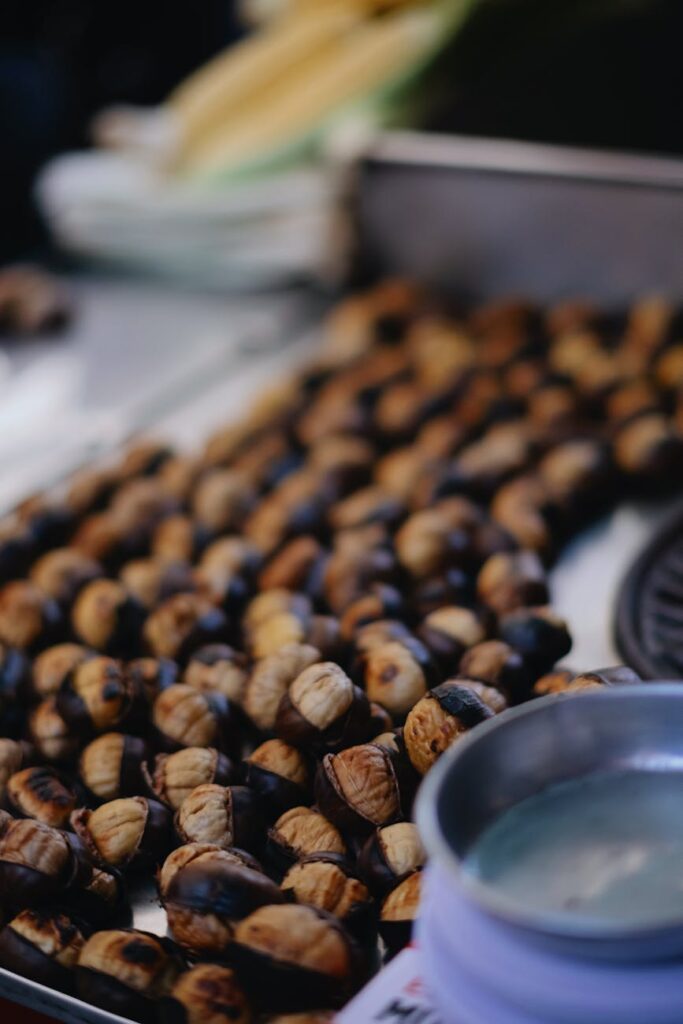
After harvesting, chestnuts are often subjected to various processing methods, including peeling, roasting, and milling. The outer shell and inner skin must be removed before consumption, a process that can be labor-intensive. Roasting is a popular method, enhancing the nut’s natural sweetness and flavor.
In some regions, chestnuts are also processed into flour, which can be used in gluten-free baking or as a thickening agent in sauces. The versatility of chestnuts in different forms expands their culinary applications and allows for innovative uses in various cuisines.
Quality and Grading
The quality of chestnuts is assessed based on several factors, including size, shape, color, and the presence of defects. Grading standards vary by country, but generally, higher-quality chestnuts are larger, have a shiny, smooth surface, and are free from blemishes or mold.
Grading Systems
In the United States, chestnuts are typically graded as U.S. Fancy, U.S. No. 1, or U.S. No. 2. U.S. Fancy chestnuts are the largest and most desirable, while U.S. No. 2 may have more imperfections or smaller sizes. Understanding these grading systems is essential for consumers who want to select the best quality chestnuts for their culinary needs.
Buying Considerations
When purchasing chestnuts, several factors should be considered to ensure freshness and quality.
Freshness Indicators
- Shell Integrity: Choose chestnuts with firm, unblemished shells. Avoid those with cracks, holes, or signs of moisture.
- Weight: Fresh chestnuts feel heavy for their size. If they feel light, they may be dried out or spoiled.
- Sound: Shake the chestnut gently; if you hear a rattling sound, it may indicate that the nut is dried out.
- Savory Dishes: Chestnuts can be used in soups, stews, and stuffing for poultry, adding a unique sweetness and depth of flavor.
- Sweets and Desserts: Chestnut puree is a popular ingredient in pastries, cakes, and ice creams, lending a rich, nutty flavor.
- Snacks: Roasted chestnuts are a beloved snack, particularly during the colder months. They can be enjoyed plain or seasoned with various spices.
- Refrigeration: Fresh chestnuts can last for several weeks in the refrigerator, but they should be monitored regularly for signs of spoilage.
- Freezing: For longer storage, chestnuts can be frozen after being blanched. This method
Where to Buy
Chestnuts can be found in grocery stores, specialty food shops, and farmers’ markets, particularly during the fall season. For those seeking specific varieties or higher quality, local farmers or specialty suppliers may offer the best options.
Uses and Applications
Chestnuts are versatile ingredients that can be incorporated into a wide array of dishes, enhancing both flavor and texture.
Culinary Applications
Cultural Significance
In many cultures, chestnuts are associated with harvest festivals and holiday traditions. For instance, in Italy, roasted chestnuts are a staple during the winter months, while in Japan, they are often featured in seasonal dishes. Understanding these cultural connections can deepen our appreciation for chestnuts as more than just an ingredient but as a symbol of community and tradition.
Storage and Shelf Life
Proper storage is crucial to maintaining the quality of chestnuts. Fresh chestnuts should be kept in a cool, dry place, ideally in a perforated bag to allow for air circulation.