
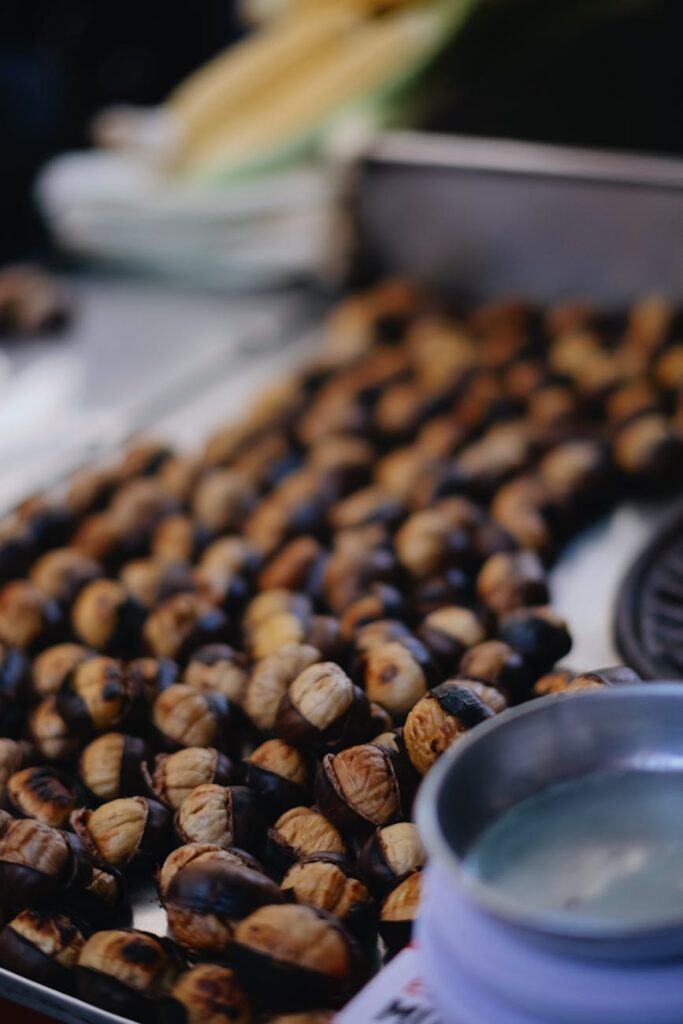
Chestnuts Around the World
Introduction
Chestnuts are a unique and versatile food ingredient cherished across various cultures and cuisines. Unlike most nuts, which are high in fats, chestnuts are low in fat and high in carbohydrates, making them a distinctive addition to both sweet and savory dishes. This article delves into the global regions where chestnuts thrive, their historical significance, production methods, quality standards, and various culinary applications.
What Is Regions?
In the context of food ingredients, “regions” refers to the geographical areas where specific food products are cultivated, processed, and consumed. Each region imparts its unique characteristics to the ingredient based on climate, soil, and cultural practices. For chestnuts, these regions not only influence their flavor profile but also dictate the traditional uses and culinary techniques associated with them.
History and Origins
The chestnut tree, belonging to the genus Castanea, has a rich history that dates back thousands of years. It is believed to have originated in the regions of Asia, particularly in the areas now known as China and Japan. Historical records suggest that chestnuts were a staple food for ancient civilizations, including the Greeks and Romans, who valued them for their nutritional content.
As chestnuts spread globally, they adapted to different climates and soils, leading to the development of various species. The American chestnut (Castanea dentata), once prevalent in the eastern United States, faced near extinction due to a blight in the early 20th century. Today, however, efforts are underway to restore this vital species.
In Europe, the sweet chestnut (Castanea sativa) became particularly significant. It was introduced to Italy, France, and Spain, where it became integral to local diets. The tradition of consuming roasted chestnuts, particularly in winter, is a beloved cultural practice across many European countries.
Production and Processing
Chestnut production is concentrated in several key regions worldwide. The primary producers include Italy, France, Turkey, and South Korea, each known for their unique varieties and cultivation practices.
Italy
Italy is renowned for its high-quality chestnuts, particularly from regions like Campania, Tuscany, and the Veneto. The country’s favorable climate and rich volcanic soil contribute to the distinct flavor and texture of its chestnuts. Italian chestnuts are often harvested in the fall, and some regions celebrate festivals dedicated to this crop.
France
French chestnuts, particularly those from the Ardèche and the Cévennes, are celebrated for their sweetness and are often used to produce marrons glacés, a confection made of candied chestnuts. The French chestnut industry emphasizes traditional methods, including hand-harvesting and minimal processing to preserve flavor.
Turkey
Turkey is one of the largest producers of chestnuts, exporting significant quantities to international markets. Turkish chestnuts are often sold fresh, dried, or processed into various products. The region of Marmara is particularly noted for its chestnut production.
South Korea
In South Korea, chestnuts are a popular snack and are often incorporated into traditional dishes. The country has a long history of cultivating chestnuts, and they are commonly used in rice dishes or as a filling for desserts.
Processing
Once harvested, chestnuts undergo various processing methods, including roasting, drying, and canning. Roasting enhances their flavor and makes them a popular street food in many cultures. Dried chestnuts are often ground into flour, which is used in various culinary applications, such as pancakes and pastries.
Quality and Grading
Chestnut quality is assessed based on several factors, including size, appearance, moisture content, and taste. The best chestnuts are typically large, with smooth, shiny shells and minimal blemishes.
Grading Standards
In regions like the United States and Europe, chestnuts are often graded according to established standards. For example, U.S. grades range from U.S. Fancy to U.S. No. 2, with Fancy being the highest quality. The grading system helps consumers select chestnuts that meet their culinary needs.
Flavor Profiles
The flavor of chestnuts varies by region, often influenced by soil composition and climate. Italian chestnuts tend to have a sweeter profile, while French varieties may exhibit more earthy notes. Understanding these nuances is essential for chefs and home cooks alike, as they can enhance the overall quality of a dish.
Buying Considerations
When purchasing chestnuts, several factors should be considered to ensure the best quality:
1. Freshness: Look for chestnuts with firm shells, free from cracks or holes. Fresh chestnuts should feel heavy for their size.
2. Seasonality: Chestnuts are typically harvested in the fall, so purchasing during this season will yield the freshest product.
3. Type: Choose between raw, roasted, or processed chestnuts based on your intended use. Roasted chestnuts are often sold pre-packaged, while raw options are available in bulk.
4. Source: If possible, buy chestnuts from local or reputable sources, ensuring that they have been stored and handled properly.
Uses and Applications
Chestnuts have a wide range of culinary applications across the globe. Their unique flavor and texture make them suitable for various dishes, including:
- Savory Dishes: Chestnuts can be used in stuffing for poultry and game, added to soups, or incorporated into risottos. Their natural sweetness complements savory flavors exceptionally well.
- Desserts: In many cultures, chestnuts are used to create confections, purées, and pastries. The iconic marrons glacés from France and chestnut flour cakes are examples of their sweet applications.
- Beverages: Chestnuts are sometimes used to flavor alcoholic beverages, such as chestnut liqueur or infused spirits.
- Snacks: Roasted chestnuts are a popular street food in many countries, enjoyed for their comforting, nutty flavor.