
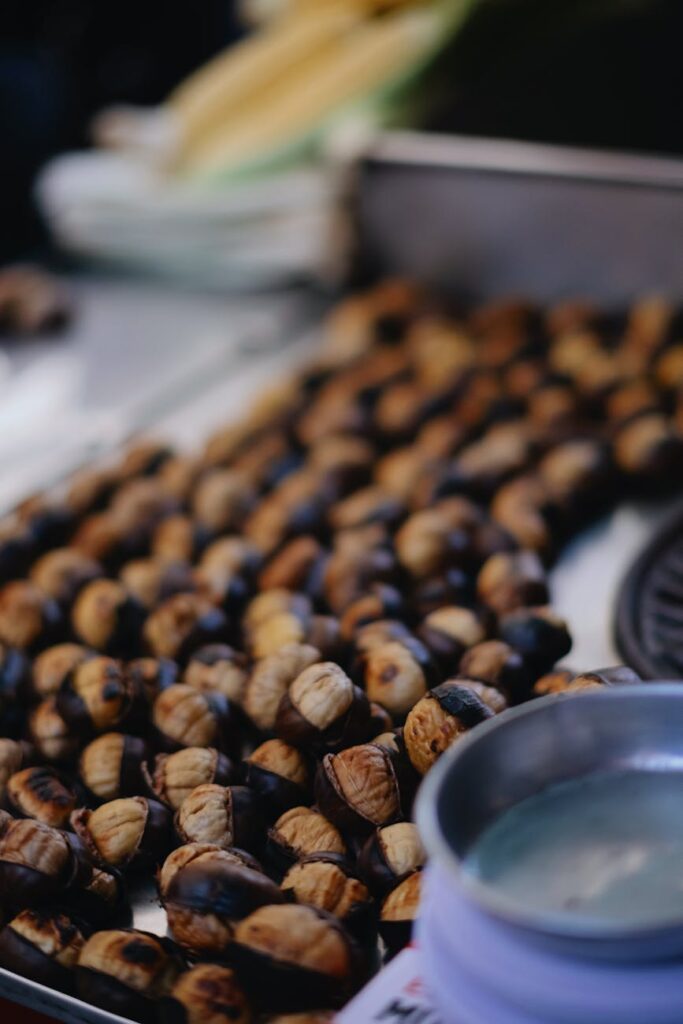
Chestnuts Cultivation Explained
Introduction
Chestnuts, the edible seeds of trees belonging to the genus Castanea, are a cherished ingredient in many culinary traditions around the world. Their unique flavor and texture make them a versatile addition to various dishes, from savory to sweet. Understanding the cultivation of chestnuts is essential for appreciating this ingredient’s journey from tree to table. This article delves into the intricacies of chestnut cultivation, exploring its history, production, and the factors that influence quality.
What Is Growing?
Growing, in the context of chestnuts, refers to the cultivation practices involved in nurturing the chestnut tree from seedling to maturity. This encompasses soil preparation, planting, watering, pest management, and harvesting. The process is both an art and a science, requiring knowledge of the specific needs of the chestnut tree and the environmental conditions that favor its growth.
History and Origins
The chestnut tree has a rich history that dates back thousands of years. Native to the temperate regions of the Northern Hemisphere, the species Castanea sativa (European chestnut) has been cultivated since antiquity, particularly in Mediterranean countries. Ancient Greeks and Romans valued chestnuts not only for their nutritional benefits but also for their use in various culinary applications.
In the United States, the American chestnut (Castanea dentata) was once a dominant species in eastern forests until the early 20th century, when a blight devastated its population. Efforts to restore the American chestnut continue, and hybrid varieties are being developed to withstand diseases while retaining desirable characteristics.
Production and Processing
Cultivation Practices
Chestnut trees thrive in well-drained, loamy soils with a pH level between 5.5 and 6.5. They prefer full sun and are typically planted in rows to allow for adequate spacing and airflow, which helps reduce disease risk. The growing process begins with the planting of either seeds or grafted trees, usually in spring or fall, depending on the climate.
Irrigation and Fertilization
Though chestnut trees are relatively drought-resistant once established, irrigation may be necessary during dry spells, particularly in their early years. Fertilization should be conducted sparingly, with a focus on organic matter to enhance soil health rather than synthetic fertilizers that can disrupt the ecological balance.
Pest and Disease Management
Chestnut trees are susceptible to various pests and diseases, including the chestnut blight, root rot, and weevils. Integrated pest management (IPM) strategies are recommended, employing a combination of biological, cultural, and mechanical controls to minimize chemical interventions. Regular monitoring and early intervention are critical for maintaining tree health.
Harvesting
Harvesting typically occurs in late fall, around September to November, when the nuts drop from the trees. Manual collection is common, and care must be taken to avoid damage to the nuts. Once harvested, chestnuts are often processed to remove their outer hulls and inner skins, making them ready for commercialization or culinary use.
Quality and Grading
Chestnut quality is determined by several factors, including size, shape, color, and the absence of blemishes or cracks. The grading system varies by region but generally includes classifications such as extra fancy, fancy, and standard. Higher grades command better market prices, making it essential for growers to understand grading criteria and maintain high standards throughout the cultivation and harvesting processes.
Buying Considerations
When purchasing chestnuts, whether fresh or processed, consumers should consider several factors to ensure quality:
1. Freshness: Look for shiny, firm nuts with minimal blemishes.
2. Size: Larger chestnuts are often preferred for culinary uses, as they yield more meat.
3. Variety: Different varieties may offer unique flavors and textures; familiarize yourself with local options.
4. Source: Purchasing from reputable vendors or farmers ensures better quality and sustainable practices.
5. Seasonality: Chestnuts are seasonal; buying them in peak season (fall) generally guarantees freshness.
Uses and Applications
Chestnuts are a versatile ingredient used across various cuisines. They can be roasted, boiled, or incorporated into dishes such as soups, stuffing, and desserts. Their naturally sweet flavor makes them an excellent candidate for both savory and sweet applications. Additionally, chestnut flour, derived from ground chestnuts, is a gluten-free alternative used in baking and cooking.
Storage and Shelf Life
Proper storage is crucial for maintaining the quality of chestnuts. Fresh chestnuts should be kept in a cool, dry place, preferably in a breathable container to prevent moisture buildup, which can lead to mold. Under optimal conditions, fresh chestnuts can last several weeks. Once processed or cooked, they should be refrigerated and consumed within a few days or frozen for longer storage.
Common Misconceptions
Despite their popularity, several misconceptions about chestnuts persist:
1. Not a Nut: Chestnuts are often classified as nuts, but botanically, they are seeds enclosed in a hard shell.
2. Roasting is Mandatory: While roasting is a popular method of preparation, chestnuts can also be boiled, pureed, or used in various dishes without roasting.
3. All Chestnuts are Edible: Not all chestnuts are safe for consumption; horse chestnuts (Aesculus hippocastanum) are toxic and should not be eaten.
Frequently Asked Questions
1. How can I tell if a chestnut is fresh?
Fresh chestnuts should feel heavy for their size and have a shiny, smooth outer shell. Avoid nuts with cracks, holes, or signs of mold.
2. Can chestnuts be stored for a long time?
Fresh chestnuts have a limited shelf life and should ideally be consumed within a few weeks. They can be frozen for extended storage.
3. Are there different varieties of chestnuts?
Yes, several varieties exist, including European, Japanese,