
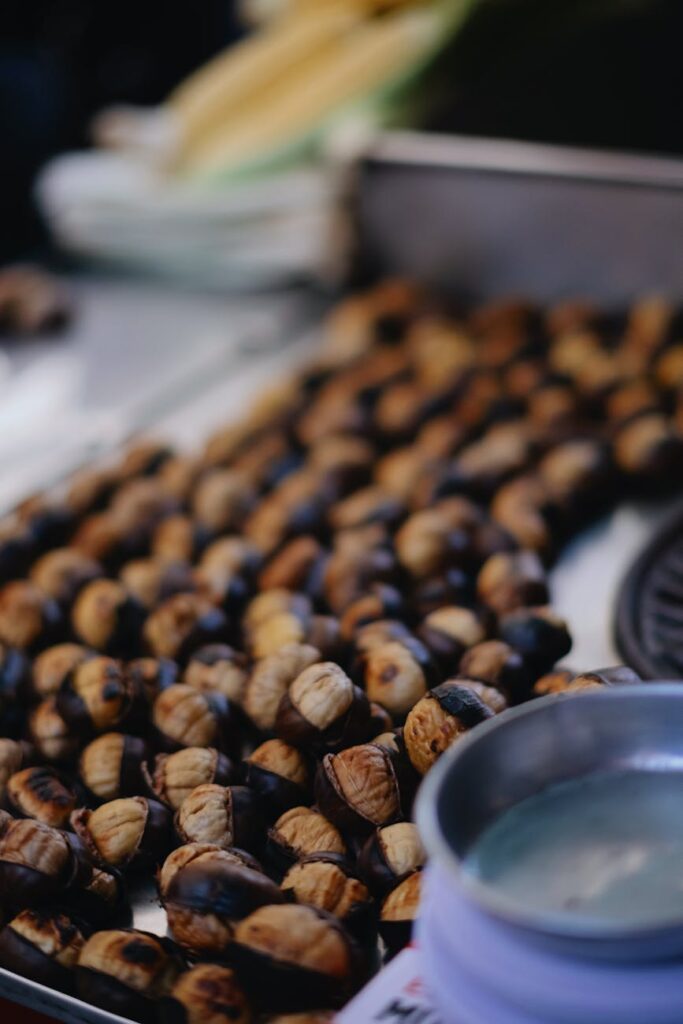
Chestnuts Growing Guide Part 6
Introduction
Chestnuts, once a staple food in many cultures, are experiencing a renaissance in popularity due to their unique flavor, versatility, and nutritional benefits. As the culinary world increasingly embraces locally sourced, sustainable ingredients, the cultivation of chestnuts has gained attention. This guide offers an in-depth look at the growing process of chestnuts, providing insights into their history, production, quality grading, and more, to equip aspiring growers and enthusiasts with the knowledge needed to cultivate this remarkable ingredient.
What Is Growing?
Growing refers to the biological process through which plants develop from seeds into mature specimens capable of reproduction. In the context of chestnuts, this involves several phases: seed germination, vegetative growth, flowering, and fruit development. Chestnuts are particularly unique as they thrive in specific climatic conditions and require particular soil types to reach their full potential. Understanding the nuances of their growth cycle is crucial for successful cultivation, ensuring that both crop yield and quality are optimized.
History and Origins
The chestnut tree (Castanea) has a rich history, believed to have originated in the temperate regions of the Northern Hemisphere, including parts of Europe, Asia, and North America. The domestication of chestnuts dates back thousands of years, with evidence of cultivation in ancient Greece and Rome. Chestnuts were a crucial food source for many European civilizations, especially during the Middle Ages when other food sources were scarce.
In the United States, chestnut trees thrived until the early 20th century when a devastating blight, caused by an introduced fungus, decimated the American chestnut population. Today, efforts are underway to re-establish chestnut cultivation through the introduction of blight-resistant hybrids, allowing a new generation to appreciate this historical and nutritious food source.
Production and Processing
Cultivation
The cultivation of chestnuts requires careful consideration of environmental factors. Chestnut trees prefer well-draining, loamy soil with a pH between 5.5 and 6.5. They thrive in regions with a temperate climate, ideally with cold winters and warm summers.
When planting, it is recommended to space trees about 30 to 40 feet apart to ensure adequate air circulation and sunlight exposure. The trees can be grown from seeds or grafted nursery stock. Seeds should be stratified before planting, which involves a cold treatment to simulate winter conditions, enhancing germination rates.
Harvesting
Chestnuts typically mature in the fall, usually between September and November, depending on the cultivar and local climate. Harvesting is a labor-intensive process, as chestnuts fall to the ground when ripe. Care must be taken to collect them promptly to avoid damage from pests and rot. A common method for harvesting involves using a rake or comb to gather nuts while avoiding damage to the trees.
Processing
After harvesting, chestnuts must be processed to prepare them for consumption or sale. This includes removing the outer burrs, cleaning the nuts, and often roasting them to enhance flavor and texture. Proper processing is crucial to maintaining quality and prolonging shelf life.
Quality and Grading
The quality of chestnuts is determined by several factors, including size, shape, color, and absence of defects. Grading standards may vary by region, but generally, chestnuts are classified into several categories:
- Grade A: Large, uniform in size, firm, and free from blemishes.
- Grade B: Smaller, may have minor defects but are still suitable for consumption.
- Grade C: Often includes nuts that are damaged or have significant blemishes, primarily used for processing or animal feed.
- Roasting: Roasted chestnuts are a popular snack, especially in winter. The roasting process brings out their sweet, nutty flavor.
- Soups and Purees: Chestnuts can be pureed into soups or sauces, adding creaminess and richness.
- Baking: Ground chestnuts can be used as a gluten-free flour alternative in baking, providing a distinct flavor to cakes and breads.
- Stuffing: They are often included in stuffing for poultry, adding texture and depth.
- Confectionery: Sweetened chestnuts, such as marrons glacés, are a luxurious treat in many cultures.
Quality chestnuts should feel heavy for their size and have a shiny, smooth shell. A high moisture content is also desirable, as it contributes to flavor and texture.
Buying Considerations
When purchasing chestnuts, whether fresh or processed, several factors should be considered to ensure quality:
1. Seasonality: Fresh chestnuts are typically available in the fall. Outside of this season, consider buying frozen or processed varieties.
2. Source: Opt for reputable suppliers who prioritize quality and sustainable practices.
3. Appearance: Choose nuts that are firm, shiny, and free from cracks or blemishes. Avoid any that feel light or have a dull appearance.
4. Packaging: If buying pre-packaged chestnuts, inspect the packaging for any signs of damage or excessive moisture, which can indicate spoilage.
5. Storage: Be mindful of storage conditions; chestnuts should be kept in a cool, dry place to maximize freshness.
Uses and Applications
Chestnuts are a versatile ingredient with a wide range of culinary applications. They can be used in both sweet and savory dishes, providing a unique flavor profile that can enhance various recipes.
Culinary Applications
Storage and Shelf Life
The shelf life of chestnuts depends on their form—fresh, dried, or processed.
Fresh Chestnuts
Fresh chestnuts can be stored in a cool, dry place, ideally in a paper bag to allow for air circulation. They should be consumed within a few weeks, as they are prone to mold and spoilage.
Dried Chestnuts
Dried chestnuts have